Makhosazana Kunene Zimpapers Sports Hub
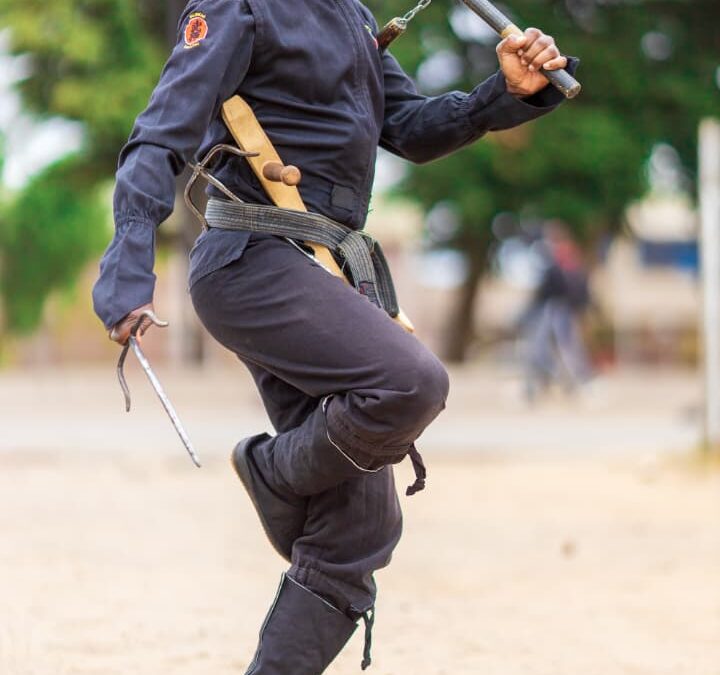
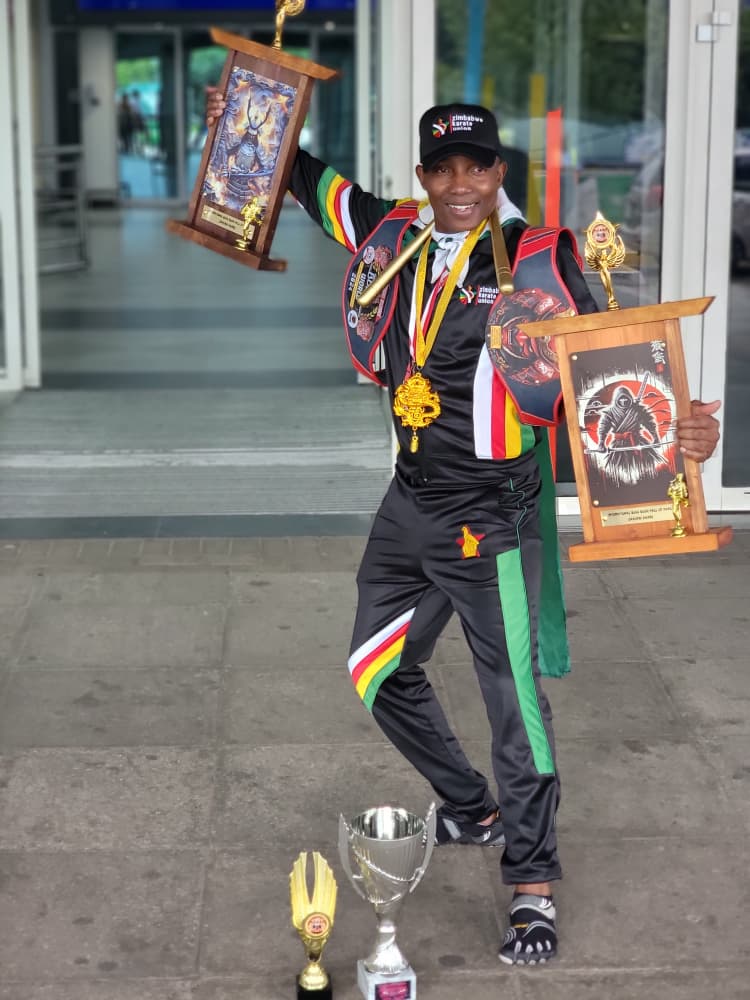
AWARD-WINNING martial arts “guru” Wilfred Mashaya believes karate can play a vital role in helping parents instill discipline, respect and responsibility in their children.
He argues that martial arts is much more than fighting and self-defence.
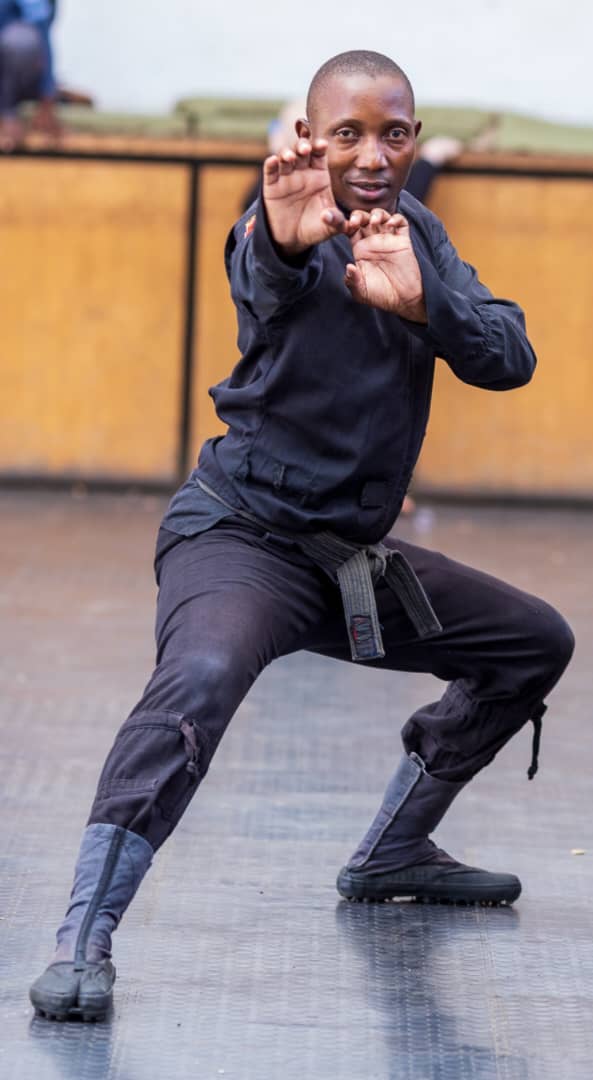
With 30 years of experience in martial arts, the founder of Zim Ninja Academy says the discipline has shaped his life, helping him make responsible choices and avoid the pitfalls that have affected some of the people he grew up with.
Mashaya began his martial arts journey at the age of eight, inspired by legendary martial artist Bruce Lee and his late sensei, Titus Chigumbu aka Tito.
Over the years, he has developed his expertise in ninjutsu and kobudo, while earning black belts in karate, kobudo, self-defence and jitsu.
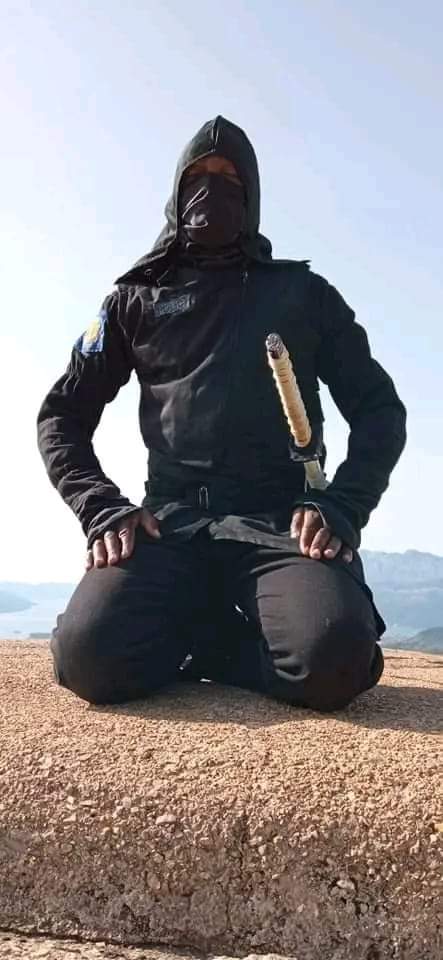
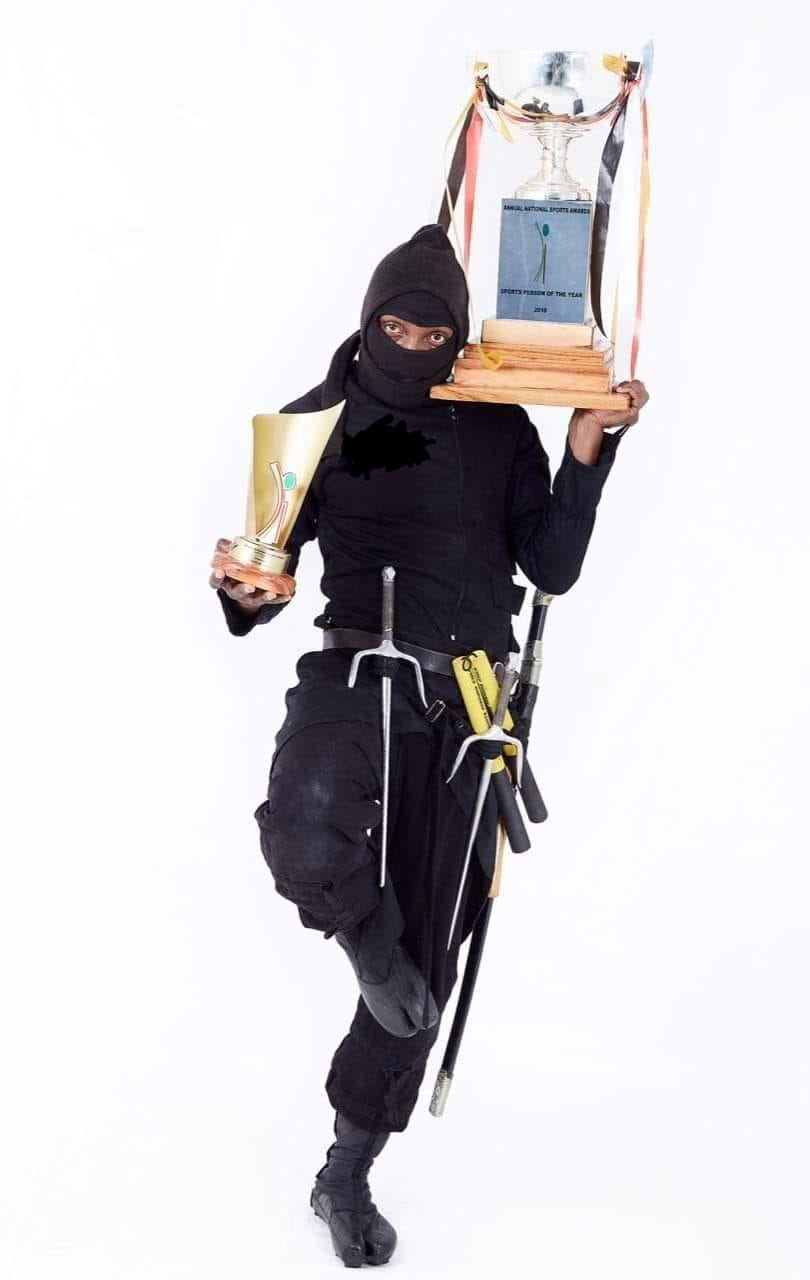
His dedication to the discipline was recently recognised at the last Zimbabwe’s annual National Sports Awards, where he won the inaugural People’s Choice Award and the Coach of the Year silver medal.
Beyond the accolades, Mashaya believes his greatest achievement lies in the life lessons martial arts can impart, particularly to young people navigating the challenges of growing up.

“Martial arts is more than just a sport of kicking and fighting. It is a way of life. It teaches children to be responsible, respect others and understand that every action has consequences,” he said.
Mashaya believes karate can help children develop the confidence to make sound decisions, resist negative peer pressure and stay away from activities that could jeopardise their future.
He is, however, quick to emphasise that the skills acquired through martial arts should never be used to intimidate or harm others.
Instead, he wants young people to view their training as a pathway to self-control, peaceful living and personal development.
“The first rule I teach my students is that martial arts starts and ends with discipline and respect. We do not teach them to go out and fight people. We teach them to control themselves, respect
others and use their skills responsibly,” he said.
For Mashaya, the value of martial arts is deeply personal.
He says the discipline helped him understand the consequences of his decisions and avoid behavioural traits that could have derailed his life and career.
“Through martial arts, I was able to understand a lot of things. It was through the discipline of martial arts that I learnt the importance of living a peaceful life.
“Many people I grew up with ended up in jail or struggled with drugs and substance abuse. Discipline helped me stay away from fighting, drugs and many other things that could have ruined my
career,” he said.
His experience has strengthened his conviction that martial arts can be an important tool for parents seeking to raise well-mannered, responsible and respectful children.
However, Mashaya believes that responsibility cannot rest on instructors alone. Parents and sensei must work together to ensure that the values taught during training are reinforced at home.
He says children are more likely to embrace discipline when the expectations set by their instructors are supported by their families.
“Parents and sensei must work together. What a child learns at the dojo should also be practised at home. When parents reinforce the values of respect, discipline and responsibility, it becomes easier for the child to grow into a responsible person,” he said.
Mashaya believes that lessons such as humility, patience and respect for others can remain with children long after they have left the training floor.
He also stresses the importance of teaching young karatekas to avoid ego and pride, which can undermine the very principles that their training is meant to develop.
For him, the true measure of a martial artist is not how well they can fight, but how they conduct themselves outside the dojo.
As he continues to train and mentor young people through Zim Ninja Academy, Mashaya hopes more parents will recognise martial arts as an investment in their children’s character and future.
His message is simple: karate should not be about creating better fighters, but about nurturing disciplined individuals who can make responsible choices, respect others and contribute positively to society.