Online Reporter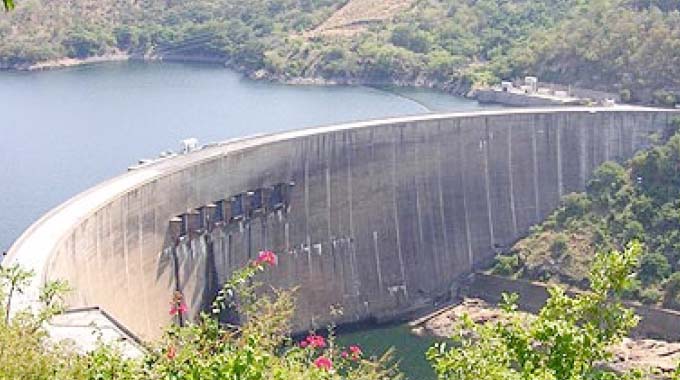
Zimpapers Writer
ZIMBABWE’S power supply is set for a significant boost this winter, with Kariba South Hydropower Station expected to increase its generation to around 500 megawatts (MW). The rise follows an improved water allocation by the Zambezi River Authority (ZRA) to the national power utility, Zesa.
The facility is currently producing approximately 400MW daily.
Recent increases in water inflows into Lake Kariba have enabled the ZRA to allocate more water to both Zimbabwe and Zambia’s power utilities.
Energy and Power Development Minister July Moyo said that while Zimbabwe’s official water allocation supports the generation of 485MW, actual output could temporarily exceed that figure, particularly during periods of low grid demand.

“We have been allocated water sufficient to generate 485MW by the ZRA. However, we can produce up to 500MW to ensure winter crop farmers have adequate electricity, while remaining mindful not to exhaust our annual allocation,” he said.
Minister Moyo noted that water levels at Lake Kariba had improved significantly, rising from below seven percent earlier this year to over 16 percent — providing greater flexibility in electricity production.
“We are now confident that the ZRA will allow both Zesa and Zambia’s zesco to increase electricity generation. At present, we are targeting 485MW, but we have some leeway to support farmers. With tight management, we can assure wheat growers they will not face power cuts,” he said.
The ZRA monitors inflows from the Zambezi River and its tributaries into Lake Kariba. Based on hydrological assessments and forecasts, it determines how much water can be safely used for power generation without depleting the lake’s levels below critical thresholds.
The annual allocation is shared equally between Zimbabwe and Zambia.
To support uninterrupted power supply during the winter cropping season, farmers are being encouraged to install prepaid electricity meters to ensure consistent access.
“It is in their interest to have prepaid meters. Financial institutions providing seed and fertilisers can also assist with acquiring these meters. This way, they are guaranteed continuous electricity supply,” Minister Moyo said.
The Government has set ambitious targets under the 2025 winter cereals programme, aiming to produce 600 000 tonnes of wheat, 39 000 tonnes of barley, and approximately 236 000 tonnes of potatoes.

As of Friday, Zimbabwe’s total electricity generation stood at 1 619MW. Hwange Power Station contributed 1 176MW, Kariba 400MW, and independent power producers 43MW.
Zimbabwe has faced recurrent power shortages in recent years, largely due to climate change-induced droughts and ageing infrastructure at Hwange.
However, national output has improved to an average of 800–1 000MW daily, thanks in part to the commissioning of Hwange Units 7 and 8 last year.