Chronicle Editor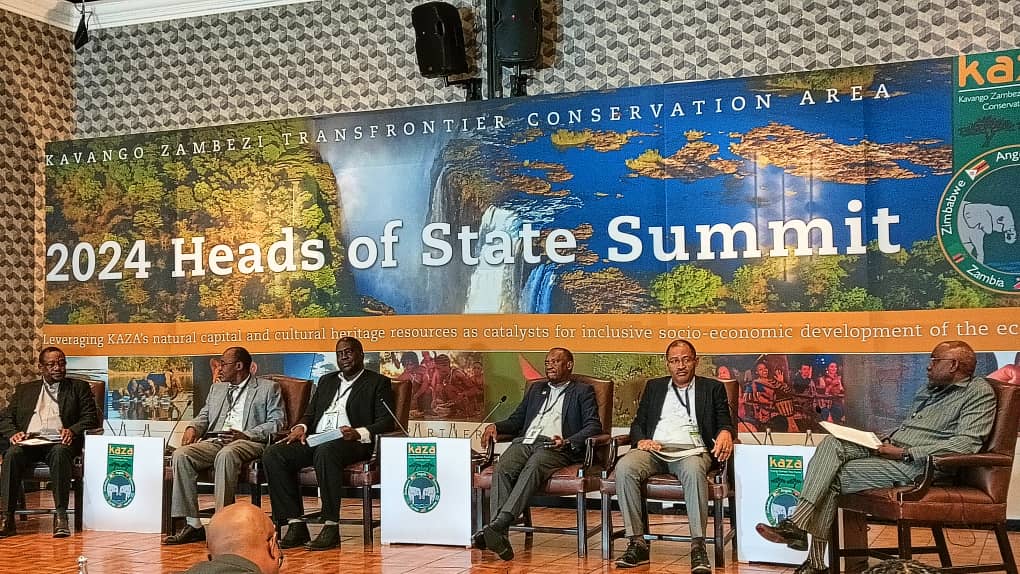
Leonard Ncube in LIVINGSTONE, Zambia
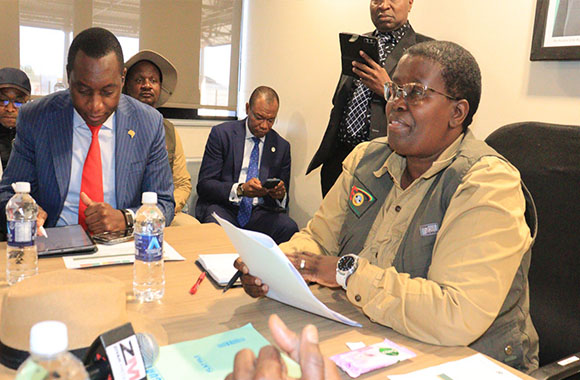
THE 2024 Kavango Zambezi (KAZA) Transfrontier Conservation Area Summit is underway in Livingstone, Zambia where member states are seeking to take stock of work done to date towards an integrated approach to conservation.
The summit started with some technical meetings, which will feed into the meeting of Heads of State on Friday. The theme for the summit is:
“Leveraging Kaza’s natural capital and cultural heritage resources as catalysts for development of the eco-system”.
KAZA has a total of 520,000 km2 across five countries namely Angola, Botswana, Namibia, Zambia and Zimbabwe with a population of three million people and 227 900 elephants.
About 70 percent of land is under conservation and there are 103 wildlife management areas, 85 forest reserves and three world heritage sites in Kaza. The meeting started on Saturday with a pre-summit workshop whose outcome fed into the preparations for the whole summit, which will end on June 1.
Today, Monday, is dedicated to technical and panel discussions from member states, giving an update on the history of the bloc and work done so far with regards to commitment by each member state and partnerships with private sector.
Tuesday will also be day for technical meetings, which will feed into the Ministers of Environment and Wildlife meeting.
The summit seeks to provide a platform for in-depth deliberation on key issues by technical experts from partner state governments and other partner organisations and offer an opportunity for reflection and extent of progress against various focus areas and directives especially with regards to tourism
It also seeks to consider the challenges and opportunities of managing KAZA as an integrated transboundary landscape and to consider how the natural and cultural capital of KAZA can be leveraged to support a green economy, as well as explore innovative approaches to sustainable financing.
Also to be discussed are issues around the KAZA elephant survey, human-wildlife conflict, natural resources management, wildlife trade, managing elephants in the changing climate, land use planning, inclusive socio-economic development and how tourism can contribute to the green tourism agenda among other topics.
KAZA secretariat executive director, Dr Nyambe Nyambe, said the success of the regional bloc relies on collaboration and coordination by partner states.
KAZA states signed a Memorandum of Understanding in 2006 resulting in the KAZA Treaty 2011. The organisation’s commitment to business development significantly impacts on socio-economic transformation and community development, with focus also on conservation agriculture to develop communities with improved seed varieties.
The bloc also promotes the KAZA Uni-visa regime with a vision to establish a world-class transfrontier conservation area and tourism destination in the Okavango and Zambezi River Basin regions for sustainable development, and to sustainably manage the ecosystem, its heritage and cultural resources based on best conservation and tourism models for the socio-economic well-being of the communities.



 Online Reporter