
FORTUNE MAKONI [email protected]
THE Minister of Home Affairs and Cultural Heritage, Dr Kazembe Kazembe, has called for the adoption and integration of digital systems across Government institutions to modernise public services, improve efficiency and strengthen coordination among departments.
Dr Kazembe said this yesterday in Bulawayo when he officially opened the Ministry’s 2026-2027 Strategic Planning Review Workshop.
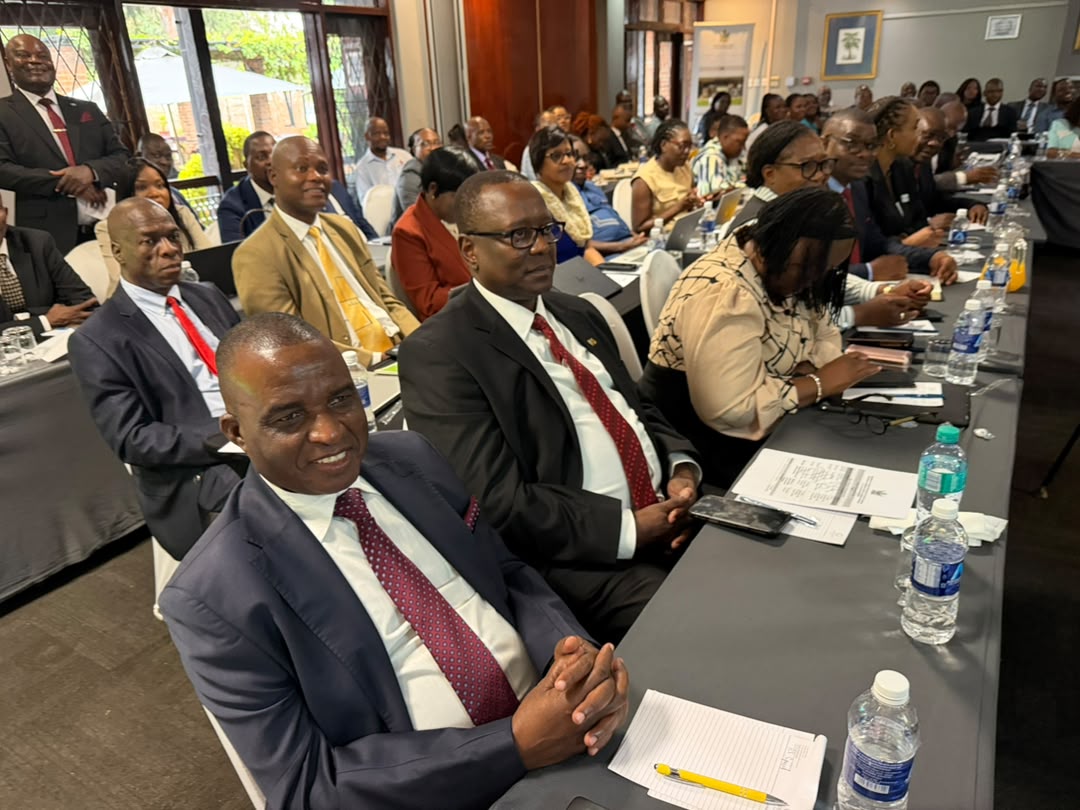
He said there was no going back on the adoption of technology, urging all departments under his Ministry to embrace it to streamline bureaucratic processes and enhance the efficiency of Government operations.
“In line with His Excellency the President’s Digital and the Second Republic modernisation agenda, digital transformation and innovation are non-negotiable. Every department must integrate e-Government systems, automate internal processes, and use data analytics for decision-making, and factor in emerging technology into planning and delivery,” he said.
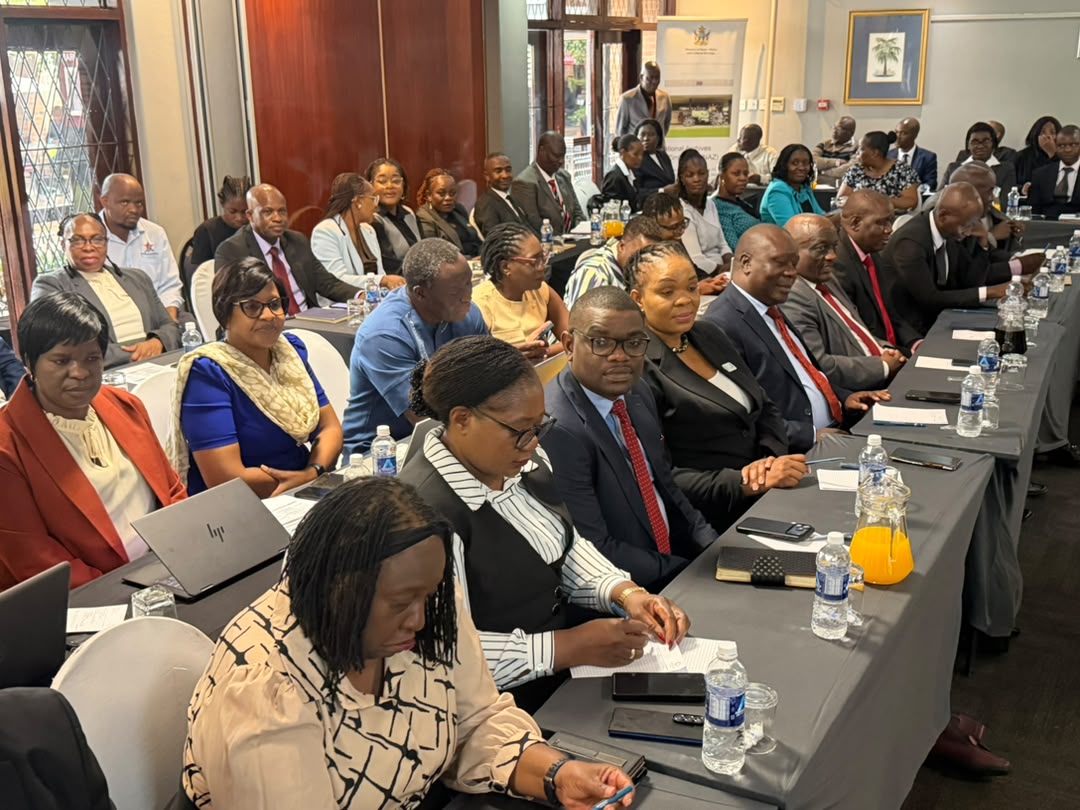
The Minister warned that officials had no option but to adapt to the new way of doing things, aided by technology.
He challenged departments under his Ministry to adopt technology in their daily operations and integrate it within departments and with other Ministries.
“When someone gives birth at a hospital, once the birth is recorded, that information must automatically and seamlessly, without any human interference, be transmitted to the Civil Registry System and the NPRA system,” he said.
“There is need to deploy systems individually in our various departments but, most importantly, the need to make sure those systems speak to each other. We need to start deploying technologies to augment service delivery because that is the whole objective. We want things to happen seamlessly.”
He said linking departments and Ministries would help avoid duplication in information capture.
The Minister said the Ministry would soon launch an active notification system linking hospitals and the Civil Registry Department to facilitate the generation of birth certificates and voter registration, among other services.
“The Smart Traffic Management System used to be a talk show; it is working wonders. The ultimate objective is to make sure that our roads are safe. We integrate with tollgates and if you owe traffic fines, you will not be able to proceed at a tollgate,” he said.
The Minister said the deployment of technology to tame the traffic jungle in Harare had improved driving and warned that more roads would soon have the system before it was extended to the country’s highways.
“Technology cannot be bribed, neither can it go for tea. It does not sleep, so we have eliminated corruption but, most importantly, we have brought about efficiency to our people. The strategic priority should be to ensure that every department digitalises its core service, while contributing to a seamless, coordinated and interoperable Ministry-wide digital ecosystem,” he said.
He emphasised that interconnected systems would enable institutions to access relevant information more efficiently, supporting processes such as identity verification, police clearances and passport applications.
Furthermore, he highlighted the need to digitise historical records held by institutions such as the National Archives of Zimbabwe, saying technology could improve the preservation, verification and accessibility of important documents.
He said the Ministry’s strategic planning process should support the country’s Vision 2030 aspirations.
Some of the departments and institutions under the Ministry’s purview attending the workshop include the Zimbabwe Republic Police (ZRP), Civil Registry Department, Department of Immigration, Forensic Science Department, National Archives of Zimbabwe, National Museums and Monuments of Zimbabwe, Lotteries and Gaming Board, Zimbabwe Border Management Authority and the National Drug and Substance Abuse Control and Enforcement Agency.