Nqobile Bhebhe in Maphisa
GOVERNMENT is strengthening the role of sport in youth empowerment, drug and substance abuse prevention and rural economic development, with grassroots sporting initiatives being positioned as important platforms for nurturing talent and creating opportunities towards the attainment of Vision 2030.
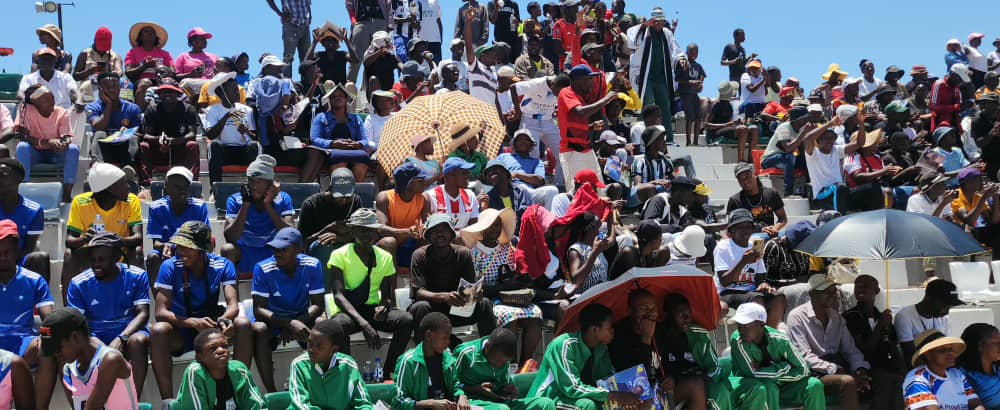
The approach places greater emphasis on expanding access to sporting activities in rural communities while establishing pathways through which promising athletes can progress to higher levels of competition and potentially pursue professional careers.
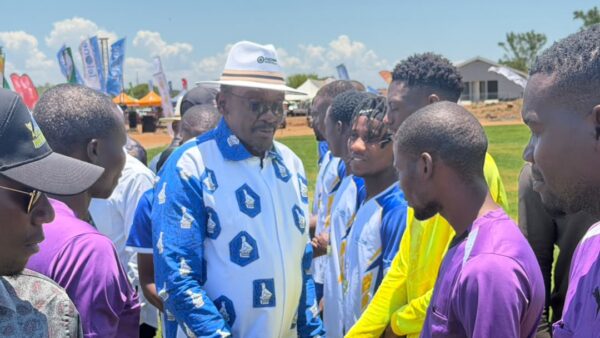
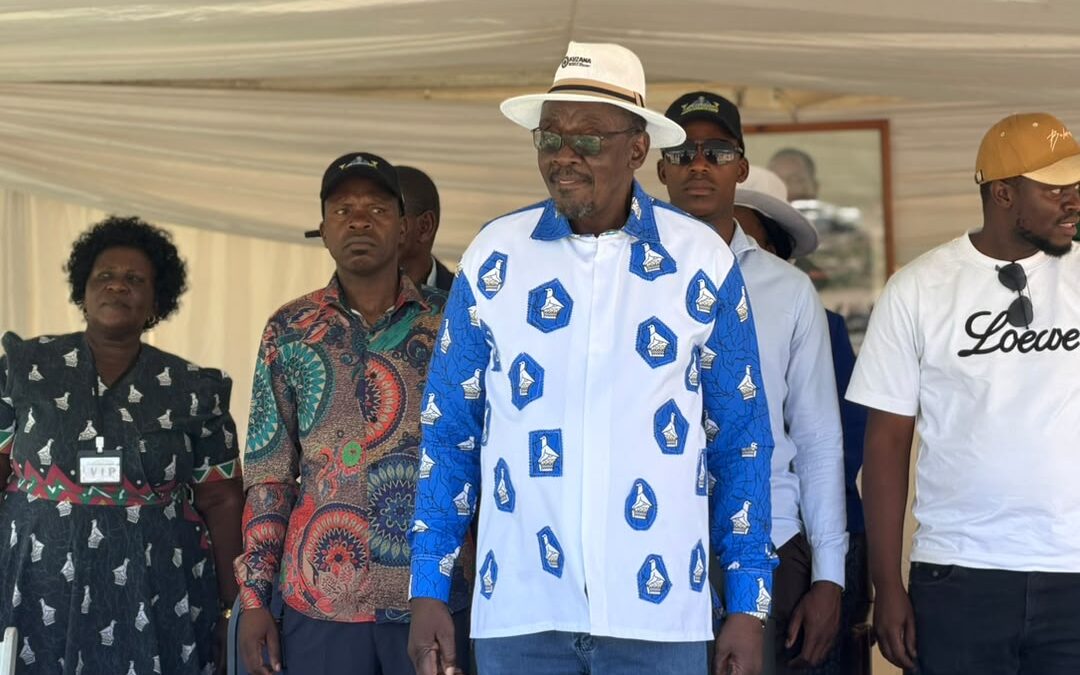
Speaking at the third edition of the KCD Mohadi Sports and Business Expo at Maphisa Stadium in Matabeleland South, the Minister of Sport, Recreation, Arts and Culture Anselem Sanyatwe said sport was an important vehicle for developing responsible, healthy and productive young people.
The expo, which combines sporting competitions with business exhibitions, is also providing a platform to demonstrate how investment in sport can stimulate local enterprise development, employment creation and economic participation.
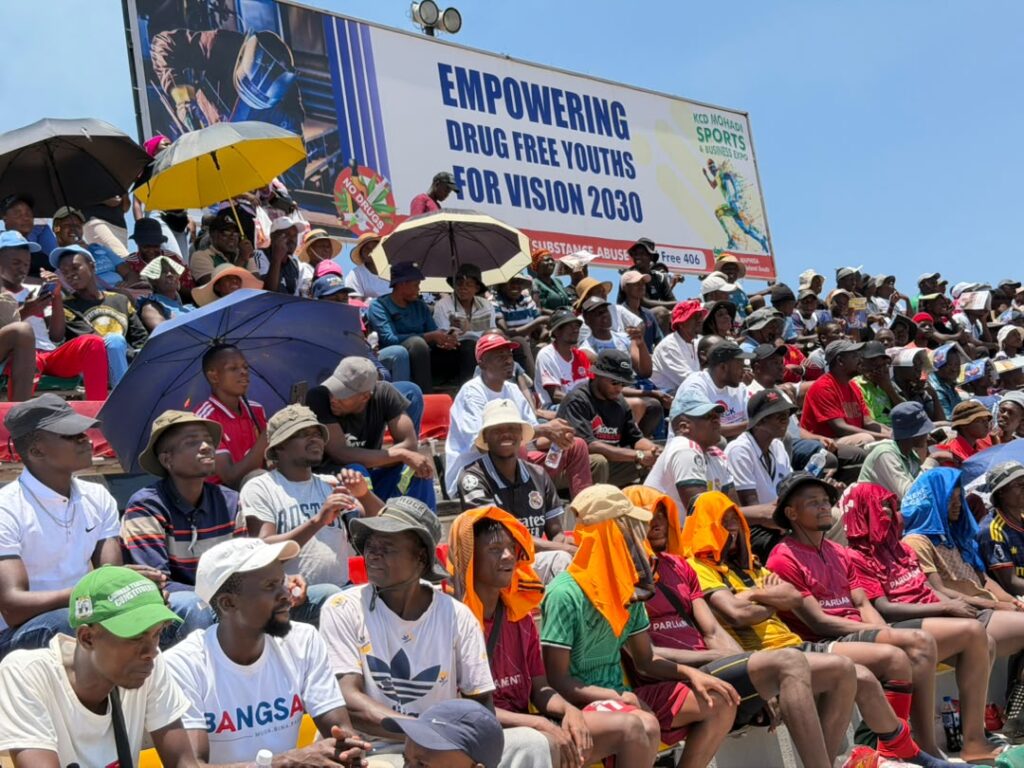
The event comes at a time when Government is intensifying efforts to address drug and substance abuse among young people, with sport and recreation increasingly being recognised as practical interventions for encouraging positive lifestyles and strengthening community participation.
The minister said the theme, “Empowering Drug Free Youths for Vision 2030”, underscored the connection between youth development and the country’s broader economic transformation agenda.
“The theme ‘Empowering Drug Free Youths for Vision 2030’, reminds us that national development depends on healthy, skilled and productive young people.
“Sports contributes by providing opportunities to develop discipline, teamwork, confidence and a sense of belonging,” he said.
He emphasised that interventions to address substance abuse should extend beyond sporting events, calling for sustained collaboration among families, schools, community leaders and sporting organisations.
“Our efforts must continue beyond these two days. Families, schools community leaders and sporting organisations must work together to provide regular activities, mentorship and support for young people, including those affected by drug and substance abuse,” he said.
The minister outlined key priorities for developing sport, beginning with expanding participation in sporting and recreational activities, particularly in rural communities.
He said such programmes should deliberately accommodate women, girls and persons with disabilities to ensure inclusive participation and broaden the country’s sporting talent base.
The second priority is identifying and developing talent through stronger junior sport programmes, the Zimbabwe National Youth and Paralympic Games and pathways towards high-performance sport.
This would ensure that competitions held at grassroots level become more than once-off recreational activities, but instead provide opportunities for talented young people to progress into structured sporting development programmes.
“I encourage the SRC and relevant sport associations to ensure that promising soccer and netball players identified here receive further development opportunities.”
The call places responsibility on the Sports and Recreation Commission (SRC) and relevant national sporting associations to establish mechanisms for following up on talent identified during community tournaments.
For rural communities such as Maphisa, this presents opportunities to strengthen grassroots sporting structures while giving young athletes access to coaching, competitive exposure and development pathways that might otherwise be difficult to access.
The minister also highlighted the importance of partnerships involving local authorities, schools, communities and businesses in building a sustainable sporting ecosystem.
He said the business component of the expo, which attracted approximately 20 exhibitors, demonstrated the potential of connecting sport with local enterprises, employment and service provision.
Increasing investment in sport could support the development of sporting facilities, equipment supply, team sponsorship, coaching services and other businesses linked to sporting activities.
The minister encouraged the private sector and other stakeholders to play a more active role in supporting sporting development throughout the year rather than limiting their participation to major tournaments and events.
“We encourage partnerships that support teams, facilities and skills development throughout the year.”
The emphasis on sport as an economic activity broadens the scope of grassroots sporting initiatives, positioning them as potential contributors to rural enterprise development and community livelihoods.
Through stronger partnerships, sporting activities can create demand for locally supplied goods and services while opening opportunities for young people to develop skills and participate in the wider sports economy.
The KCD Mohadi Sports and Business Expo therefore provides a platform for advancing Government’s youth development objectives while demonstrating how sport can contribute to social cohesion, economic empowerment and the country’s Vision 2030 aspirations.