Mukudzei Chingwere, Senior Reporter
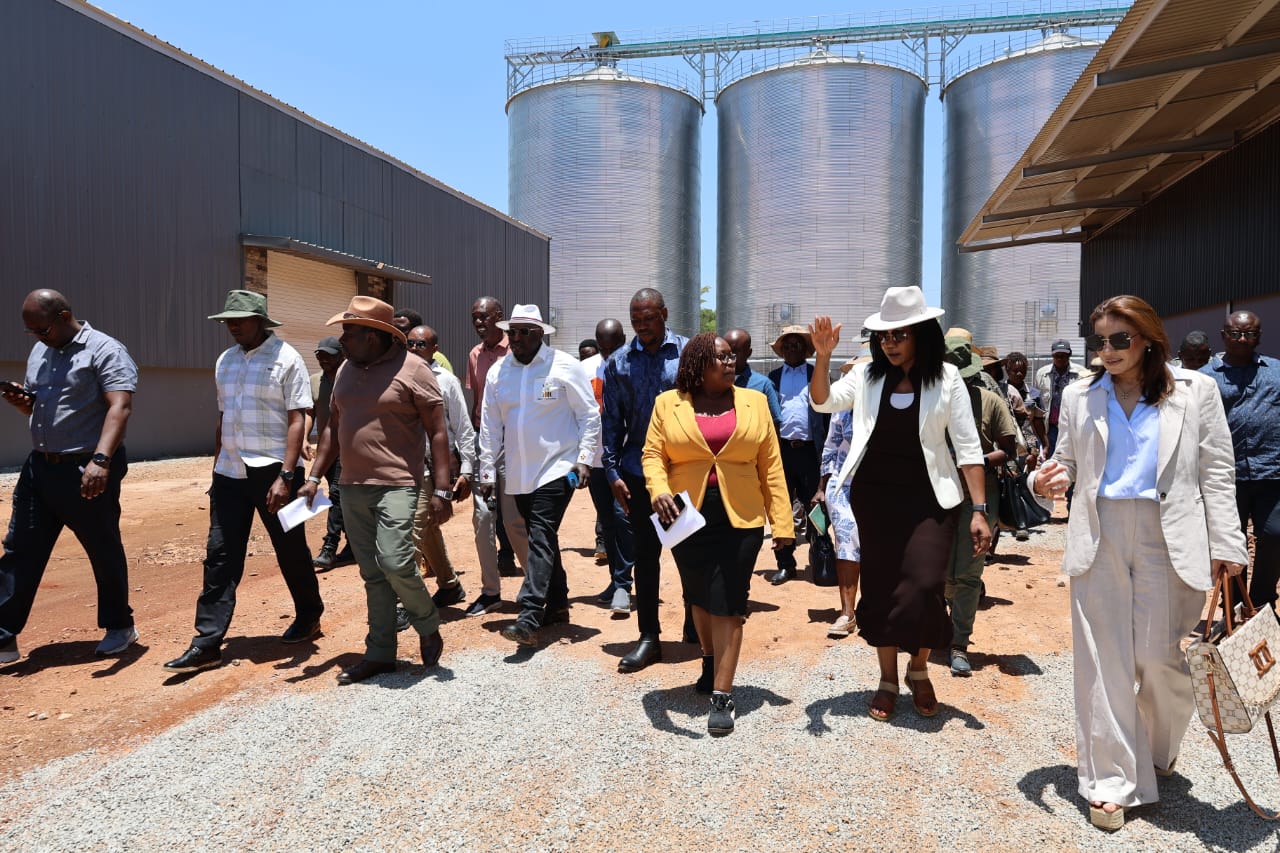
A delegation of Kenyan commercial farmers has commended the integration of livestock production, feed milling and meat processing at Vice President Dr Constantino Chiwenga’s Chivaraidze Agro Industrial Park in Goromonzi, where grain grown on the farm can be turned into feed and livestock can be slaughtered and processed on site.
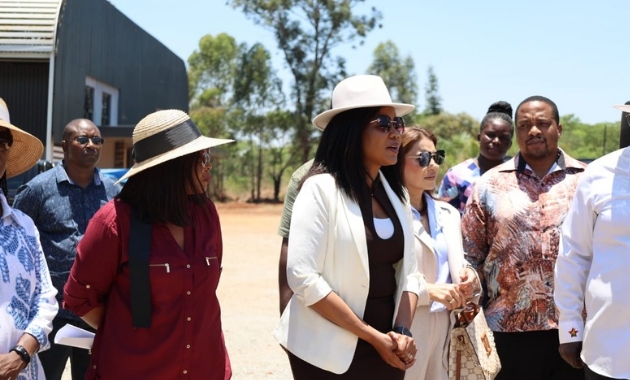
The delegation visited the park to explore opportunities for agricultural cooperation and exchange practical knowledge on Boran cattle, sheep and goat production, agricultural technology and on-farm value addition.
The park’s managing director, Colonel Dr Miniyothabo Baloyi-Chiwenga, led the tour, assisted by her son, Dr Kudzai Chiwenga, a former Food Systems lecturer at the University of Liverpool in the United Kingdom.
Mr Robert Madziva, who previously worked in Kenya and helped facilitate the visit, said Chivaraidze was among a handful of Zimbabwean farms selected to give the delegation a basis for comparing commercial farming practices against international benchmarks.
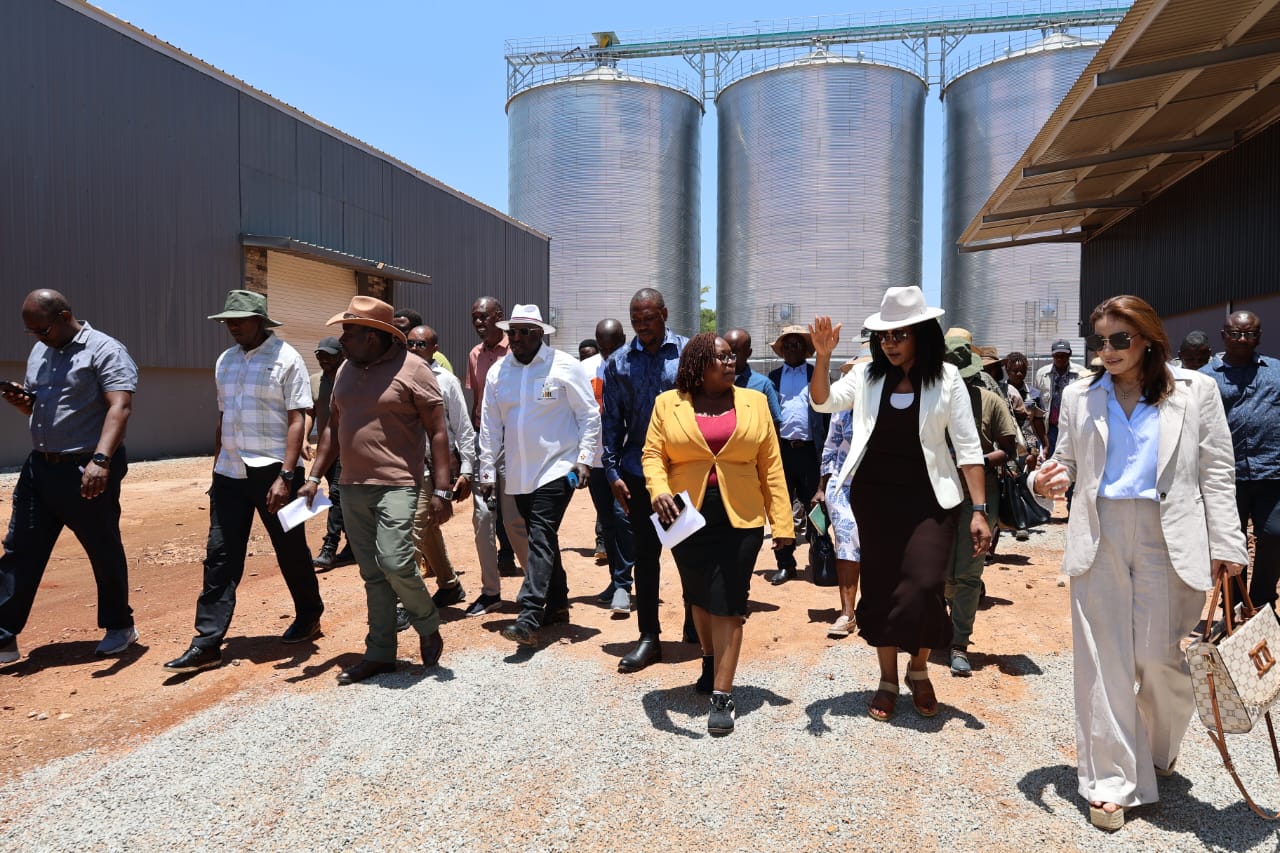
“The visitors had been struck by how much of the agricultural value chain was handled on the farm itself,” said Mr Madziva.
“Grain storage, feed production, livestock rearing and meat processing were part of the same operation, giving the delegation a practical view of how a farm could add value to what it produces.”
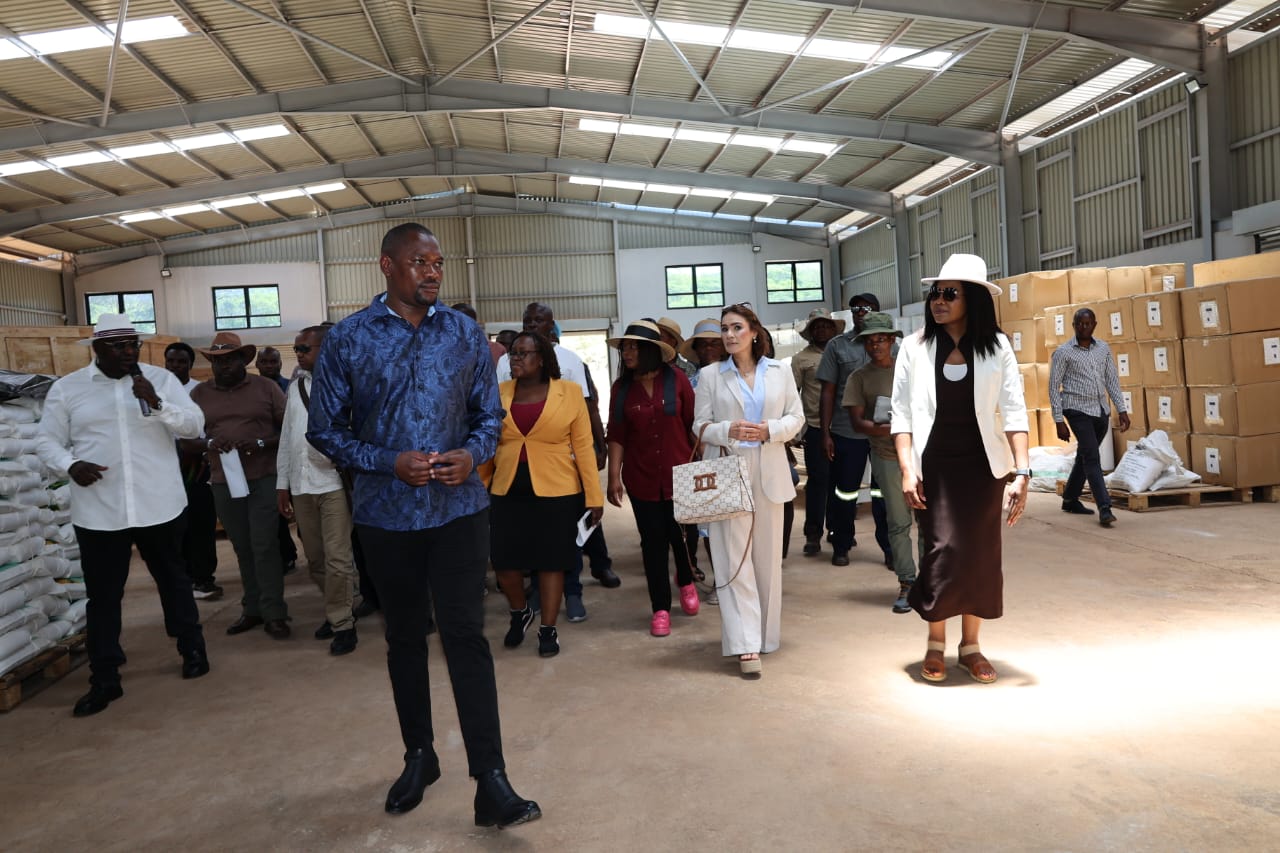
Mr Mayiani Sankale commended the standard of operations at Chivaraidze, while Mr Timothy Naeku also praised what the delegation had seen during the tour.
“We have been impressed, this is an excellent model every farmer would be eager to replicate. This is a model for all African farmers,” said Mr Sankale.
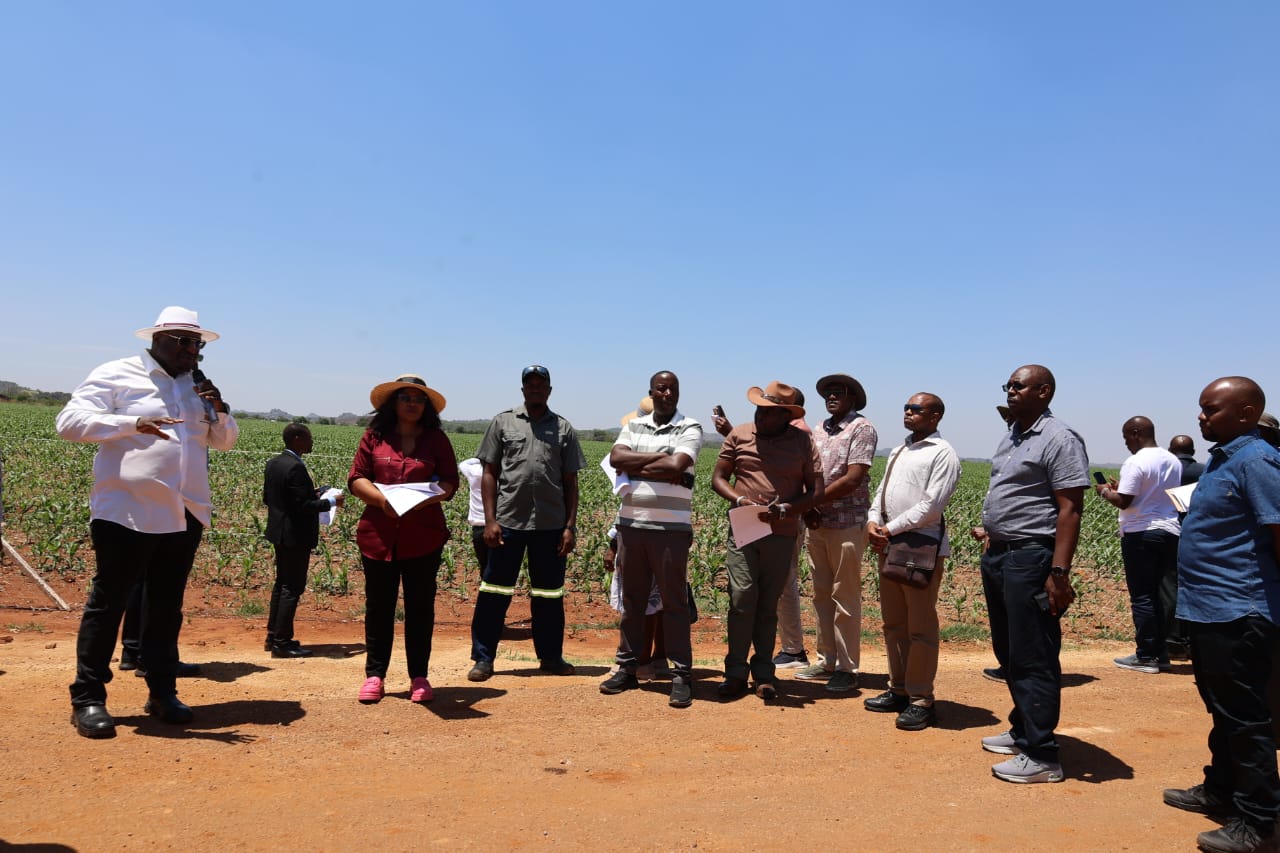
“We have visited some countries for benchmarking purposes, but what we have seen here is far advanced and beyond our expectations,” said Mr Naeku.
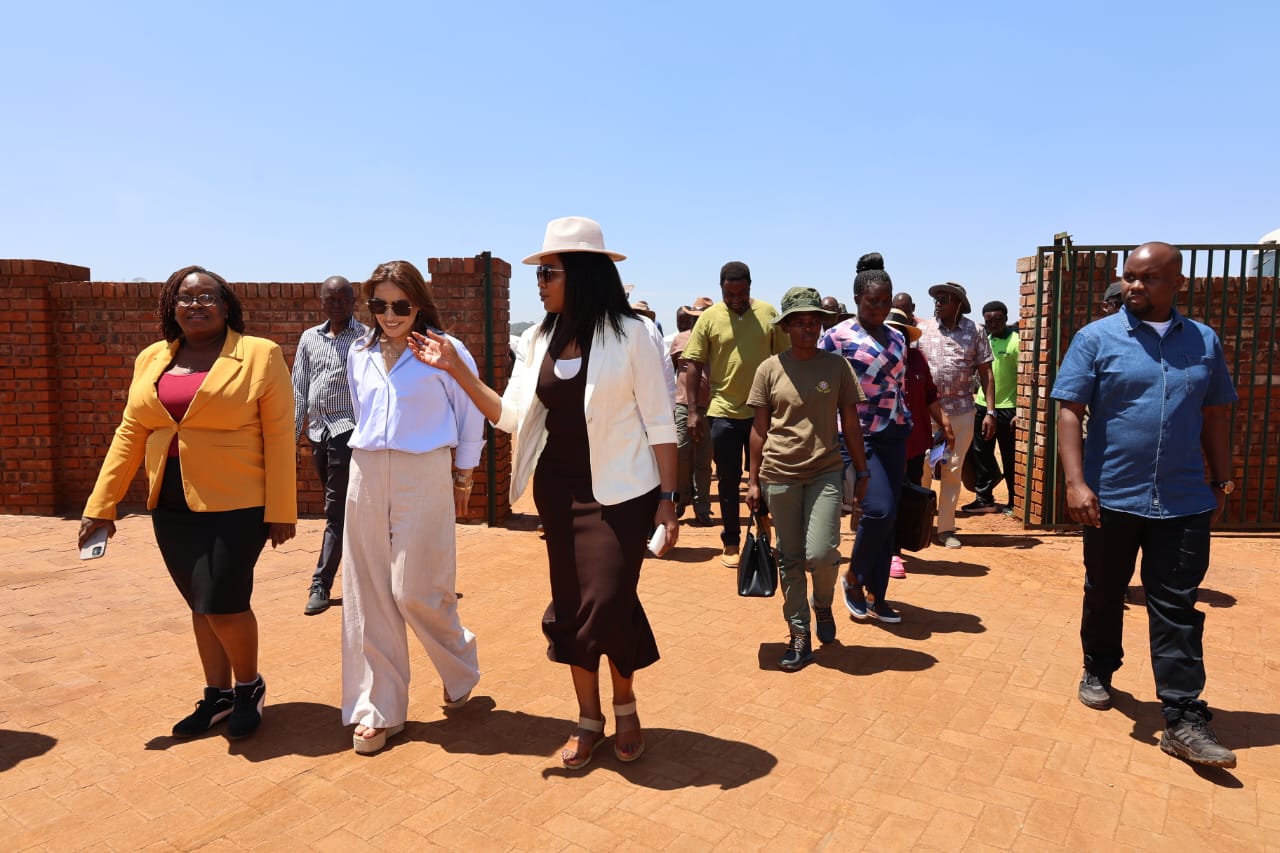
The park’s farm-to-plate model starts with crop and pasture production. An automated silo facility can store up to 8 000 tonnes of grain for on-site milling and processing, including the manufacture of stockfeed.
That feed supports the livestock operation, while the park’s Halal-certified abattoir is designed to handle up to 50 cattle and 200 sheep and goats a day.
The model means the farm can use its grain to feed livestock and process the animals into meat on site. For commercial producers interested in cattle, sheep and goats, the tour offered a look at the facilities needed to link animal production with a processing operation.
In remarks on the project, Colonel Dr Baloyi-Chiwenga said the park was designed to create opportunities for surrounding communities while developing markets beyond Zimbabwe.
“Our objective is to provide a valuable pathway for local communities in Mashonaland East Province while also targeting the export market.
“The construction of an abattoir compliant with international standards symbolises our ambition to elevate local produce for global markets,” she said.
The park is also developing a dedicated pork abattoir. Its existing 105-sow unit has the capacity to produce up to 3 000 pigs for the pork and bacon markets, while a facility designed to accommodate 40 000 layer chickens is under development.
Vice President Chiwenga has previously said the project is intended to show how farming, processing and manufacturing can support employment and economic activity in rural areas.
“Our aim is to create a self-sustaining ecosystem that encompasses every aspect of food production, from cultivation to processing,” once said VP Chiwenga.
“By integrating these elements on the farm, we are enhancing the value of our agricultural products and contributing to local employment and economic development,” he said.