daniel chigunwe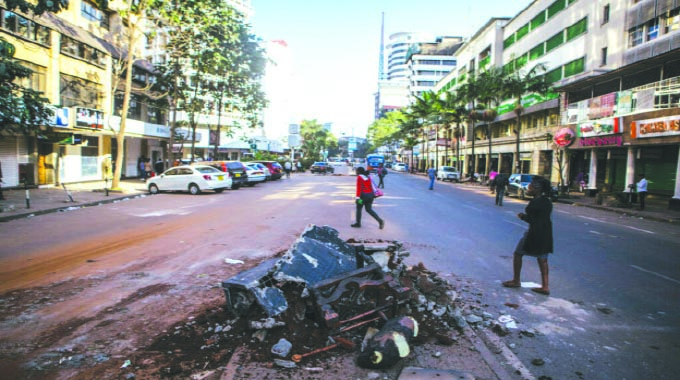
Kenya’s sovereign dollar bonds are sinking as anti-government protests threaten to derail President William Ruto’s US$2,3 billion plan to balance the budget and make the country’s debt sustainable.
The nation’s 2031 debt security fell yesterday to its lowest price since being issued in February, pushing Kenyan bonds as a group to one of the worst performances among emerging and frontier markets since June 18, when demonstrations began.
Kenya — like several other developing nations — faces an urgent need to carry out fiscal reforms as it seeks to cut elevated debt levels, contain soaring interest costs and secure funding from the International Monetary Fund.
But people are signalling little tolerance for further pain after post-Covid inflation spikes left them trapped in a cost-of-living crisis. President Ruto’s options are narrowing even as he looks to rein in a budget deficit running at 3,3 percent and an interest burden that takes away a third of government revenue.
“Pictures of huge protests will always scare investors, hence the underperformance” in bonds, said Soeren Moerch, a money manager at Danske Bank AS. “It will be interesting to see if government will back down, and let the protesters win and not do much-needed tax reforms for a better future for all Kenyans.”
The East African nation’s securities have handed investors a negative 1,3 percent since June 18, the biggest losses after Gabon and Egypt in a Bloomberg Index of developing-nation sovereign dollar bonds. The EM average was a positive return of 0,3 percent in that time.
The protests began after President Ruto pushed for taxes on everything from motor vehicles to mobile-money transfers to help stabilise the state’s finances. Kenya agreed to an economic plan with the IMF in 2021 that commits the government to reducing the budget deficit, boosting revenue collection and curbing wasteful spending.
Concerns about Kenya’s long-term solvency are growing, Hasnain Malik, a strategist at Tellimer, wrote in a note dated June 21. Although the nation’s short-term external liquidity issues had been mostly resolved, its latest fiscal performance has been disappointing, he said.
“Additionally, there is significant opposition to the ambitious budget,” he wrote. “This underscores the challenges Kenya faces in making its debt sustainable.”
It’s President Ruto’s toughest test yet. Last year, his administration faced similar protests that left more than 50 people dead, but those didn’t have the nationwide reach seen in the current marches. In the past, his biggest foe was opposition chief Raila Odinga, but this time around, it’s the young Kenyans who have earlier been apolitical.
The protests are already having their impact. Lawmakers have dropped some of the more contentious proposals, like a 16% levy on bread. The rollback will create a 200-billion shilling shortfall in government finances, according to Treasury figures.
However, the demonstrators are demanding the whole tax plan be abandoned.
“Kenya needs to raise the revenue – one way of the other – and reforms are always painful in the short run,” said Moerch. – Bloomberg


 Online Reporter