admin
admin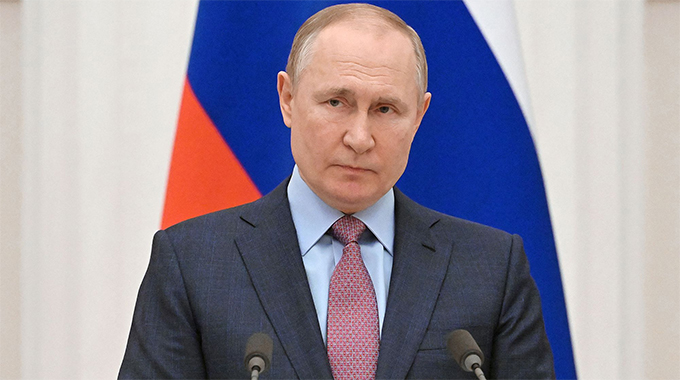
Russian President Vladimir Putin hosted a delegation of African leaders in St Petersburg on Saturday. The group travelled to Russia a day after visiting Ukraine and meeting President Volodymyr Zelensky, promoting their 10-point peace roadmap designed to end the conflict between Kiev and Moscow, now well into its second year.
The African delegation comprised South African President Cyril Ramaphosa, Senegalese President Macky Sall, Comoros President Othman Ghazali, Zambian President Hakainde Hichilema, Egyptian Prime Minister Mostafa Madbouly, and senior officials from the Republic of Congo and Uganda.
Impact of Ukraine conflict on Africa
President Ghazali stated during the talks that the hostilities between Russia and Ukraine have heavily impacted not only the “two Slavic nations” involved, but the whole African continent.
The conflict has created unprecedented threats to food and energy security for Africa, he added, urging Putin to negotiate with Kiev.
African leaders unveil peace roadmap
The delegation presented President Putin with a 10-point peace roadmap, which broadly outlines the steps needed to end the hostilities between Moscow and Kiev.
The document affirms that the African leaders welcome other peace initiatives from third parties, and states that the conflict “cannot go on forever,” and that all differences should be settled through negotiations.
The roadmap says African nations respect the sovereignty of both Russia and Ukraine as enshrined in the UN Charter, and urges the two countries to “de-escalate.”
In addition, the document calls for all restrictions on trade in grain and other goods to be lifted, while those affected by the conflict should be given humanitarian support. The roadmap urges the two parties to release all prisoners of war, and to return temporarily displaced persons, including children, to their homes.
Putin explains why Istanbul agreement flopped
During the meeting, the Russian President reiterated that Moscow has never refused to negotiate, pointing out that dialogue was jeopardised by Kiev and its backers.
Putin also produced a copy of a preliminary agreement with Ukraine, initialed during talks in Istanbul last year.
“Here it is! It exists! That’s what it’s called — an agreement on permanent neutrality and security guarantees for Ukraine. It’s precisely about guarantees,” Putin stated, showing the document to the African leaders.
Ukraine broke the preliminary deal immediately after Russia withdrew its troops from Kiev Region, as had been agreed upon in Istanbul, Putin explained.
“Kiev authorities, like their masters usually do, threw it all away into the graveyard of history,” he added, stating that no one could guarantee that Ukraine would do the same to any new deals in the future.
Roots of food crisis lie elsewhere
The Russian president also insisted that ongoing energy and food crises were not prompted by the conflict with Ukraine, but stemmed from the actions of Western powers.
“It was caused by the fact that Western countries began to engage in economically unjustified emissions to solve their problems related to the coronavirus pandemic,” he said.
Putin also touched on the UN-facilitated grain deal, explaining it was agreed upon and maintained by Russia to alleviate food supply issues for less-secure nations.
However, the deal did not work exactly as designed, and the food flowing out of Ukraine went to the West instead of Africa.
“As of June 15, 31.7 million tonnes of agricultural produce were exported from Ukrainian ports, while 976 thousand tons— or 3,1 percent — were sent to the African countries in the most need,” Putin noted. — Russia Today


 Online Reporter