Online Reporter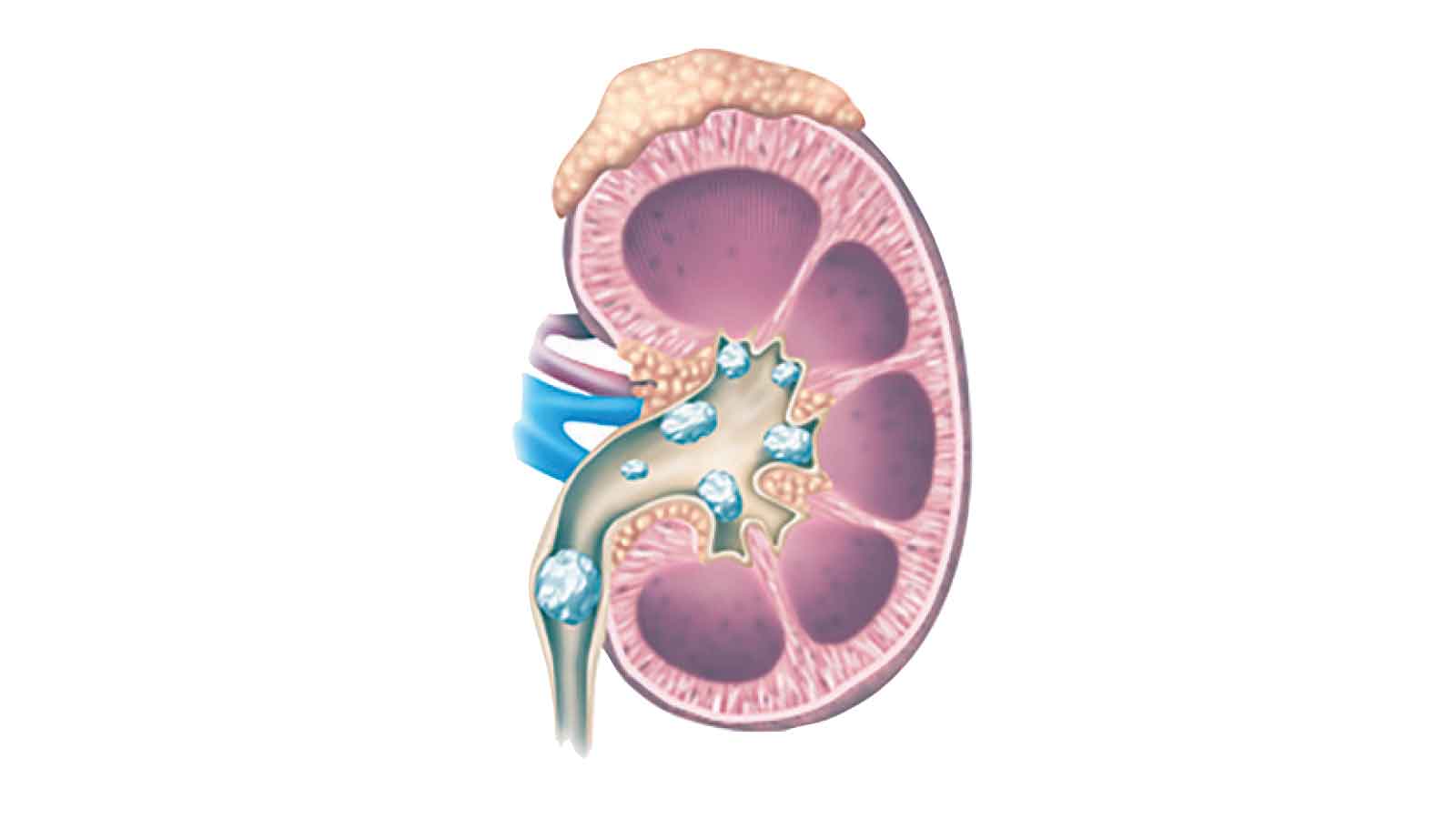
Rumbidzayi Zinyuke
Health Buzz
Every day, the kidneys quietly perform one of the body’s most important jobs. Filtering the blood, removing waste and excess fluid, and producing urine that carries these unwanted substances out of the body.
The two bean-shaped organs, located on either side of the spine just below the rib cage, also help regulate the body’s fluid and mineral balance, support blood pressure control and contribute to the production of hormones needed for healthy red blood cells and bones.
But this finely balanced system can be disrupted when minerals and salts in the urine become too concentrated and begin forming crystals. Over time, these crystals can grow into hard deposits known as kidney stones.
For some people, the stones remain in the kidney without causing any noticeable symptoms. For others, a stone can move into the urinary tract, causing severe pain and potentially blocking the flow of urine. Kidney stones are increasingly recognised as a global health problem, with changing diets, inadequate fluid intake, obesity, sedentary lifestyles and exposure to hot conditions among factors associated with their growing prevalence.
For Zimbabweans in areas where high temperatures can increase fluid loss and dehydration, knowing how kidney stones form, who is most at risk and recognising the warning signs could help prevent a painful condition from developing into a serious health problem.
Kidney stones, medically known as nephrolithiasis or urolithiasis, form when certain substances normally dissolved in urine become highly concentrated and crystallise.
Calcium is the most common component of kidney stones, with calcium oxalate and calcium phosphate stones accounting for most cases. Other stones can form from uric acid, infection-related substances or, in rare cases, an inherited condition that causes excessive levels of cystine in the urine.
The size of a stone can vary considerably. Some are tiny and may pass naturally without the person knowing they had one, while larger stones can become lodged in the urinary tract and cause an obstruction.
According to experts, kidney stones are common, with a sizeable number of people developing them at least once during their lifetime.
Globally, the burden is significant and has been rising in many populations. Researchers have linked the increase to changes in diet and lifestyle, obesity, reduced physical activity and environmental factors. A 2024 systematic review and meta-analysis of 26 studies involving nearly 96 000 hospital patients across sub-Saharan Africa estimated the pooled prevalence of urolithiasis at 9,4 percent.
The review also found considerable differences between countries, highlighting how climate, dietary patterns, healthcare access and other factors can influence the prevalence of urinary stones. Mauritius recorded one of the highest reported prevalence rates in the review at 28,1 percent, while Ethiopia recorded 18,1 percent in the country-level analysis.
Zimbabwe-specific population data, however, remains limited. This does not necessarily mean that kidney stones are uncommon in Zimbabwe. Rather, it highlights a gap in local data and the need for greater research into kidney and urinary tract diseases. Climate may be a relevant factor when we talk of kidney stones. During hot conditions, people lose more fluid through sweating, and inadequate replacement can result in concentrated urine. When urine becomes more concentrated, substances capable of forming crystals are more likely to accumulate. This makes adequate hydration one of the most important preventive measures, although simply drinking water is not the only consideration. Diet can play an equally important role. A diet high in salt can increase the amount of calcium excreted in urine, while excessive consumption of certain animal proteins can increase the risk of particular types of stones.
Obesity is another recognised risk factor, as is having a family history of kidney stones and having previously developed a stone. People who have had one kidney stone are at increased risk of developing another. Certain medical conditions can also increase the risk, including gout, recurrent urinary tract infections, disorders that cause excessive calcium or oxalate in the urine, some intestinal diseases and conditions affecting the parathyroid glands.
Medical experts believe some medicines can also increase the likelihood of stone formation, making it important for people taking long-term medication to discuss possible risks with their healthcare providers rather than stopping treatment on their own.
But perhaps the most important issue for the public is recognising when a kidney stone may be causing trouble. The classic symptom is sharp pain in the back, side or lower abdomen. The pain can move towards the groin as the stone travels through the urinary tract and may come in waves, becoming severe before easing and returning again. A person may also notice blood in the urine, pain or burning when urinating, a frequent urge to urinate or difficulty passing urine. Nausea and vomiting can accompany severe pain, while urine may become cloudy or develop an unusual smell. Fever and chills, however, should raise particular concern because they can signal an infection. When an infection occurs alongside an obstructed urinary tract, the situation can become serious and requires urgent medical attention.
This is why kidney stones should not simply be viewed as a painful but harmless condition.
A stone that blocks the flow of urine can lead to complications, including urinary tract infections and, in severe or prolonged cases, damage to kidney function. Treatment depends largely on the size and location of the stone, the symptoms and whether complications have developed.
Small stones may pass naturally, while larger stones or those causing persistent obstruction, severe symptoms or complications may require medical procedures to break them up or remove them.
Prevention is particularly important because kidney stones can recur.
Maintaining good hydration helps keep urine diluted, while reducing excessive salt intake and maintaining a balanced diet can lower the risk. People who have previously developed stones may require more specific dietary advice depending on what their stones were made of. Awareness starts with paying attention to the body’s warning signs. Severe or persistent pain in the side or back, blood in the urine, painful urination, difficulty passing urine or symptoms accompanied by fever should not simply be dismissed or treated at home without medical assessment.
The kidneys may work quietly in the background, but when something as small as a stone interferes with their delicate system, the consequences can be anything but small.
Recognising the risks, maintaining adequate hydration and seeking medical attention when warning signs appear can help prevent a kidney stone from becoming a much bigger health problem.
Feedback: [email protected]