admin
admin
fares were R5 regardless of the time or direction.
Then kombis started charging US$1 on inward-bound morning runs and outward-bound evening runs during the peak periods, but the standard R5 in the opposite directions where demand is far lower.
Commuters say US$1 per trip is unsustainable and authorities should find a solution to the change problems.
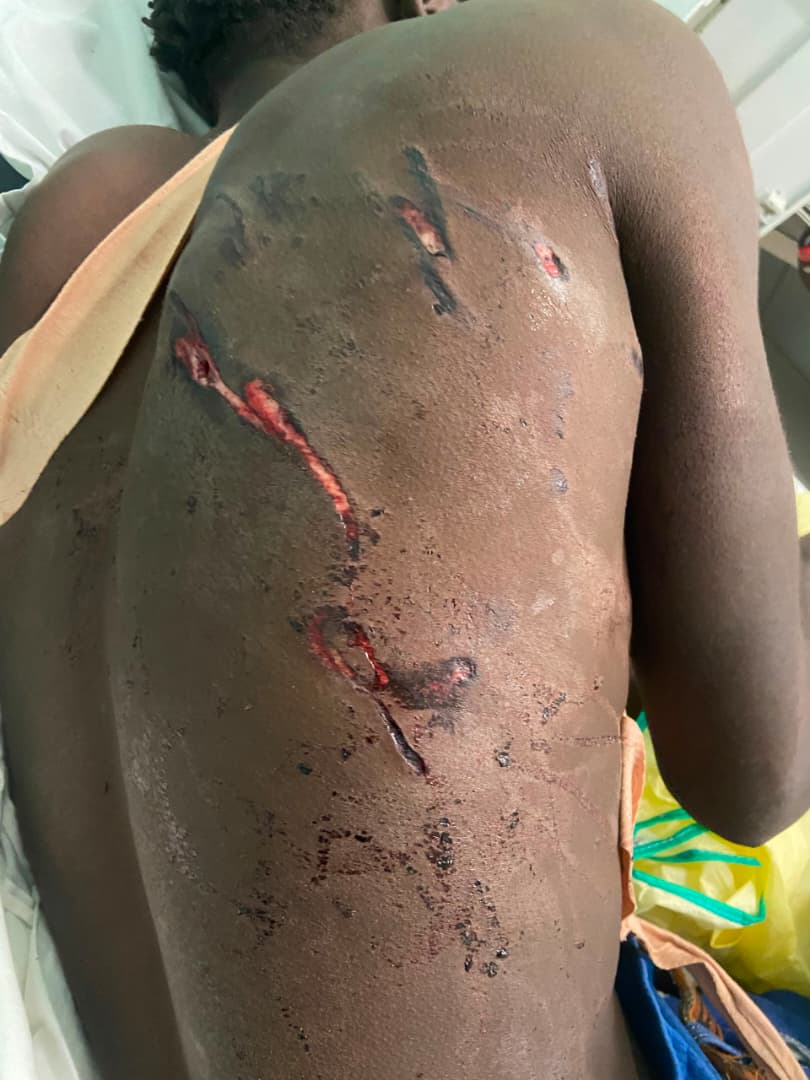
This has resulted in fights between commuters and operators and in some cases vehicles have been damaged and people injured.
In Mufakose, commuters were resisting the new fare and threatening to beat up bus crews if they do not reverse the charges.
Kombi crews were accused of splitting routes, much to the disadvantage of commuters.
In some instances, commuters have fought kombi crews but this has not changed anything because at the end of the day the commuters pay the new fare.
In Chitungwiza, operators blame the heavy presence of police roadblocks on the road who demand fines or bribes for various offences.
During peak periods, mainly in the morning, there are over three police roadblocks on Seke Road.
According to the operators, they have to pay between US$2 and US$4 at any roadblock and fines of between US$10 and US$20.
The police say they will enforce laws, which often means fines, but that any efforts to levy a bribe should be reported immediately.
However, it seems it is not only the issue of the police on the road because even in the absence of police roadblocks they still charge US$1 per trip.
In Zengeza, Makoni and St Mary’s the 35-seater buses that used to charge US$0,50 now charge US$1.
This has worsened the plight of commuters who heavily depend on these affordable buses for transport to and from the city.
Last Friday, there was only a single police roadblock at St Mary’s Police Station, but all operators were charging US$1 in the morning.
Instead of plying the City-Charge Office, Fourth Street, Roadport routes, most commuter omnibus operators were ending their routes at the Charge Office so they could go back and ferry more passengers.
Commuters from St Mary’s could be seen jostling to get into open trucks and private vehicles that still charge US$0,50.
Several commuters said the hiking of fares was negatively affecting them.
Mr Lemmy Mashingaidze of Manyame Park said it was disturbing that operators just decided to increase fares for no apparent reasons.
“Why do they not put their things in order so they do not have to pay police? The commuters are taking advantage of the situation, especially during peak hours,” he said.
The commuters said they could not understand why operators were charging US$1 in the morning when they go for work and in the evening when coming back home.
“In the morning, a trip to Chitungwiza costs US$0,50 and in the evening a trip to the city also costs US$0,50,” complained another commuter Macelyn Mumbire.
Mumbire said this only showed that the hiking of fares is a deliberate move by operators to maximise profits.
Concerned commuters are urging responsible authorities to intervene to clarify on the issue of fares regarding local routes.
“We want the Government to intervene so that the world gets the true picture of our country,” a dejected commuter from Mufakose said.
A number of associations have been formed to represent commuters, but none of them has done enough to curb the problem.
The Indigenous Commuter Operators Association of Zimbabwe has done nothing so far to address the issue.
ICOAZ called for a stop to the hiking of fees in January but nothing has materialised.


 Online Reporter