Online Reporter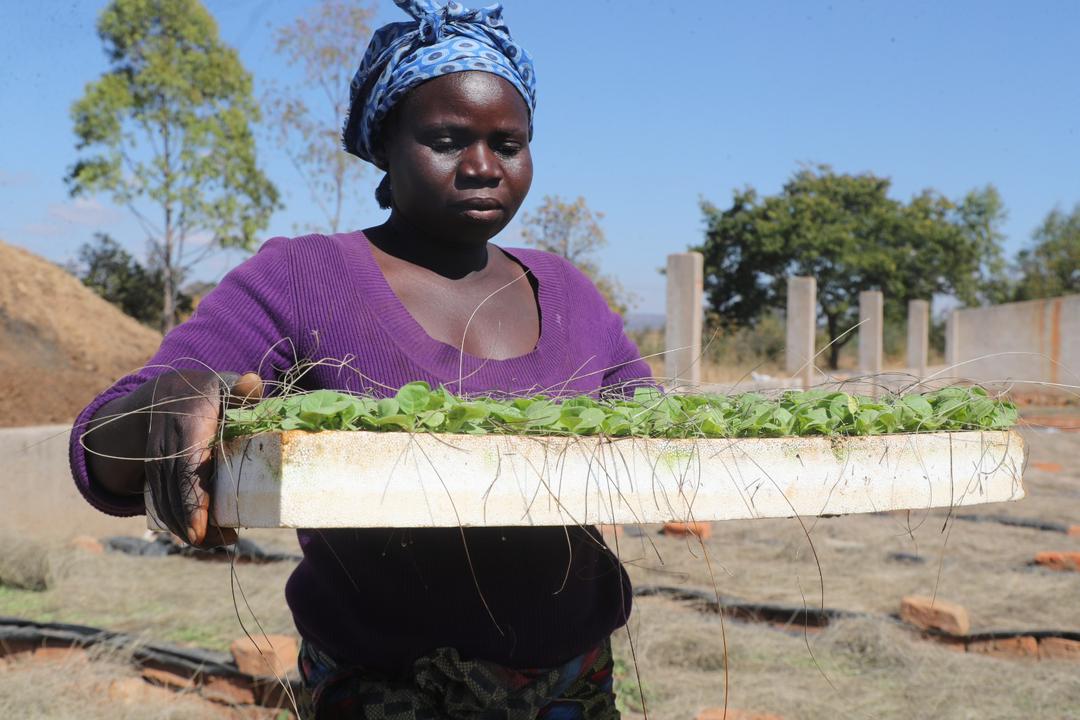
Edgar Vhera [email protected]
KUTSAGA Research has urged tobacco farmers practising dryland cultivation to take advantage of the remaining period before September 30 to purchase seed and establish seedlings in preparation for the 2026/27 growing season.
The research institution has also advised growers to prioritise drought-tolerant tobacco varieties as forecasts point to the possible return of El Niño conditions, which are associated with below-normal rainfall and prolonged dry spells.
A five-gramme packet of tobacco seed, enough to produce seedlings for one hectare, costs US$33 or its equivalent in local currency.
Kutsaga noted that it takes approximately three months to establish tobacco seedlings, while the deadline for the destruction of tobacco seedbeds remains December 31.
The institution is encouraging growers to strengthen pest surveillance and maintain strict field sanitation practices ahead of the new season, warning that anticipated El Niño conditions could increase production challenges.Forecasts of a potentially severe dry period have raised concerns about moisture stress, pest outbreaks and disease pressure, prompting the country’s tobacco research and seed development board to urge farmers to prepare fields and seedbeds early to minimise risks before crops are established.
Kutsaga scientists said prolonged hot and dry conditions could create favourable conditions for the rapid multiplication of insect pests, while water-stressed crops may become more susceptible to damage.
“The board is recommending that growers in drought-prone areas consider KRK 71, KRK 75, KRK 26R, T78, T79, T80 and T81, depending on their production circumstances. The climate-resilient tobacco varieties KRK 71 (released in 2016) and KRK 75 (released in 2019) have vigorous, deep-rooting systems that enable plants to access moisture deeper in the soil,” said Kutsaga.
The research body said it had also developed the T78, T79, T80 and T81 varieties, which possess a drought-escape mechanism that allows crops to establish quickly and mature before severe late-season moisture stress sets in.
The T-series varieties were released on a limited basis in 2024 and have since gained traction in dryland tobacco-producing areas such as Masvingo, Lower Gweru and parts of Matabeleland.
However, Kutsaga warned that selecting the appropriate variety alone would not be enough to safeguard crops during a challenging production season.
“Aphids are among the major concerns, as warm, dry conditions can accelerate their multiplication and increase the risk of transmission of viral diseases such as Potato Virus Y (PVY) and Tobacco Bushy Top Virus (TBTV),” said Kutsaga.
The institution warned that failure to destroy tobacco stalks and remove volunteer tobacco plants could worsen pest and disease challenges by creating a “green bridge” that allows pathogens and pests to survive between seasons.
“Once viral diseases become established, there is no cure, making prevention and early monitoring essential,” warned Kutsaga.
The cotton mealybug (Phenacoccus solenopsis) is another pest growers are being encouraged to monitor closely during the coming season.
The pest has emerged as a significant threat to Zimbabwe’s flue-cured tobacco crop and can cause leaf curling, accumulation of honeydew, development of sooty mould and a decline in cured leaf quality. Kutsaga is also advising growers to remain vigilant against false wireworms and cutworms, which can cause significant crop losses during the establishment stage, particularly under dry soil conditions. While some foliar diseases may become less severe under dry conditions due to reduced leaf wetness, the institution said threats such as Fusarium wilt, Black Shank and root-knot nematodes would remain a concern, especially in irrigated production systems.
Kutsaga has urged farmers to make use of seasonal climate forecasts when planning production activities and to adopt a proactive approach to crop management.
The research institute said growers should move away from reacting to problems after they occur and instead focus on anticipating and managing risks before they escalate and affect crop performance.