Blessing Chizhande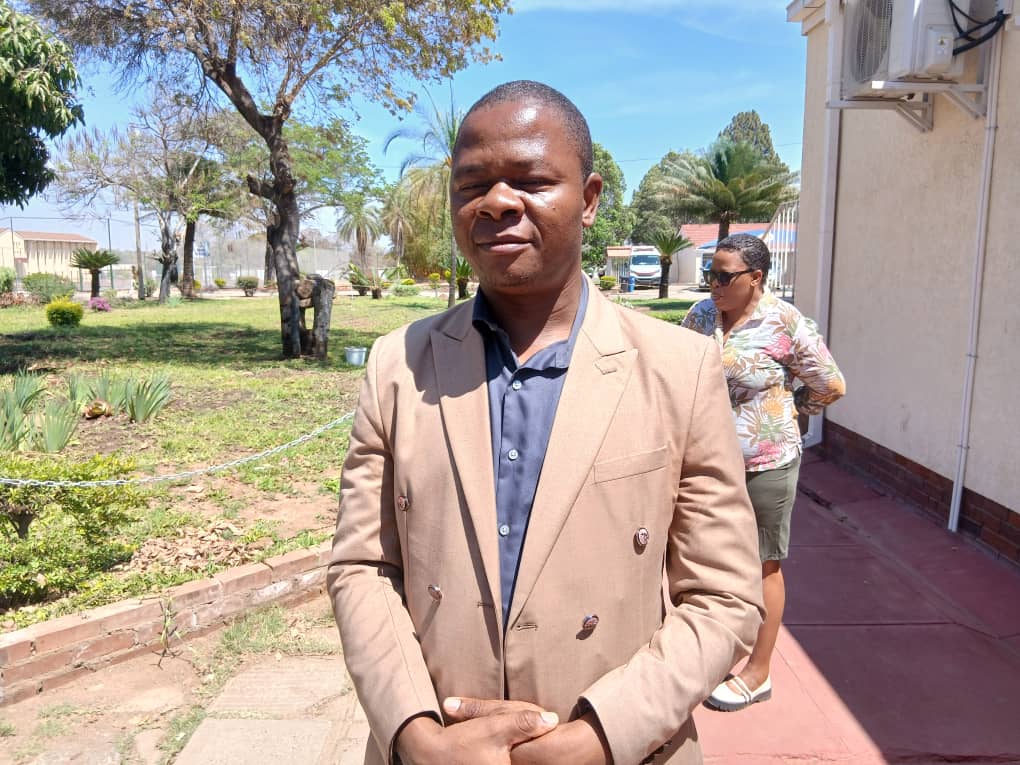
Tongai Mashonga [email protected]
KWEKWE General Hospital has raised the alarm over a sharp rise in silicosis cases in the Midlands Province, with admissions skyrocketing from just six patients in 2021 to 161 cases recorded between January and August this year alone.
The hospital’s medical superintendent, Dr Tinashe Gunda, described the lung disease, which is incurable and common among artisanal and small-scale miners exposed to silica dust, as a growing public health crisis, particularly in Kwekwe District.
“At Kwekwe General Hospital, we only receive patients who come when they already have the condition of silicosis.
It is a problem that is rising. From 2021, we were seeing very few patients, in particular, we admitted only six patients in the whole of 2021, but then the patients were increasing each year up to this year,” he said.
“This year, only up to August, we already have about 161 patients we admitted with the problem of Silicosis.”
Dr Gunda said Silicosis has no cure, with patients only maintained on oxygen until they succumb.
“The problem with Silicosis is that when it affects someone, it is something that is not treatable, and we can only maintain the patients on oxygen for such a period of time until their demise,” he said.
The hospital is struggling to sustain patients on oxygen concentrators, with some patients spending up to a year admitted. Those discharged often return in a critical condition.
“Our challenge is that oxygen is not sustainable. We put them on oxygen concentrators, which they may have to stay with in the hospital for a long period of time, up to a year. Sometimes we discharge them but unfortunately some of them come back seriously ill,” he said.
It has since emerged that the hospital is losing an average of 40 to 50 patients a year to the disease – translating to at least one death every week. There are eight silicosis patients admitted at the hospital.
“In general, in one year we have up to 50 patients who die from the disease which translates to about one patient every week,” said Dr Gunda.
More than 90 percent of those admitted are males, who constitute the bulk of the mining workforce.
To curb the surge, the hospital, working with the Provincial Medical Director and the District Medical Officer, has intensified outreach programmes to mining communities for screening and health education.
“We are doing outreaches to go to the mining community and talk to the miners. Small-scale miners are the most affected,” said Dr Gunda
He said the health officials were giving miners information on preventing Silicosis.
Dr Gunda said the response from the mining community has been encouraging, with almost all miners turning up for screening when teams visit.
“The mining community responds very well when we go to the outreaches. When we go to a mine, we mobilise the
miners to come for screening and almost everyone comes,” he said.
Dr Gunda said since enforcement of safety measures falls under the Ministry of Mines, health authorities could only focus on screening and awareness.
He appealed for a multi-sectoral approach to reduce the disease’s prevalence.
“It’s a very big problem that needs all of us to put our hands together to try and reduce the prevalence of silicosis,” he said.



 Online Reporter