Online Reporter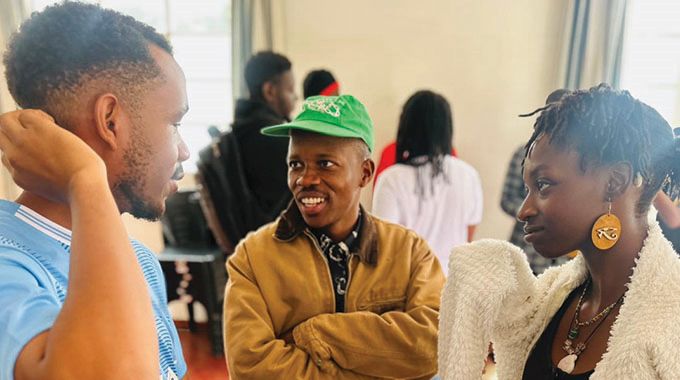
Mbulelo Mpofu, [email protected]
HAVING officially unveiled its Klass of 2026, a carefully selected group of 14 new voices ready to carry the spirit of Bulawayo’s youth culture through hip-hop, the Kwela Initiative continues to gather pace, steadily reinforcing its position as a key platform for nurturing the city’s creative talent. There is a sense of quiet confidence around the programme — not loud or overdone, but purposeful — as it invests in young artistes, who are eager to find their footing in an increasingly demanding industry.
Last Thursday, that momentum was on display when the platform hosted The Headliners Playbook at the National Gallery of Zimbabwe (NGZ) in Bulawayo. The setting itself added a certain weight to the gathering, drawing in emerging artistes for a session that felt both relaxed and deeply meaningful. Under the theme “Mastering Your Brand, Collaborations and First Impressions”, the event unfolded as more than just a talk — it became a space where ideas were exchanged, questions were welcomed and ambitions were sharpened. For many of the city’s rising rap voices, it served as a practical guide to navigating the often unpredictable world of modern artistry.
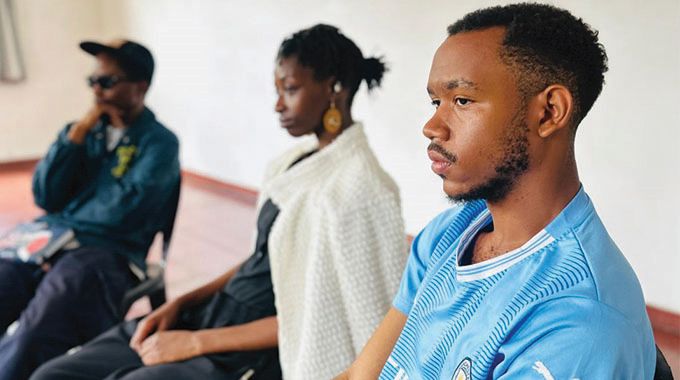
In a deliberate effort to bridge the gap between raw talent and professional execution, the initiative brought together a panel that blended experience with insight. There was internationally rooted artiste and producer PRNCSS Tha Bad Messiah, who offered a wider, global lens on production and artistry; award-winning promoter and creative Mr Lit, whose understanding of the local market remains sharp and grounded; and filmmaker and creative producer Mhle Nzima, who added depth with his knowledge of visual storytelling and technical craft. Together, their presence gave the session both credibility and relevance, grounding big ideas in lived experience.
At the heart of the discussion was a clear intention — to equip artistes with tools that go beyond the excitement of performance and into the reality of building a career. Conversations moved through the importance of defining a strong brand identity, the need for thoughtful and meaningful collaborations, and the often overlooked but critical role of first impressions in shaping opportunities. In a space where competition continues to grow, these were not abstract ideas, but lessons drawn from the realities of the industry.
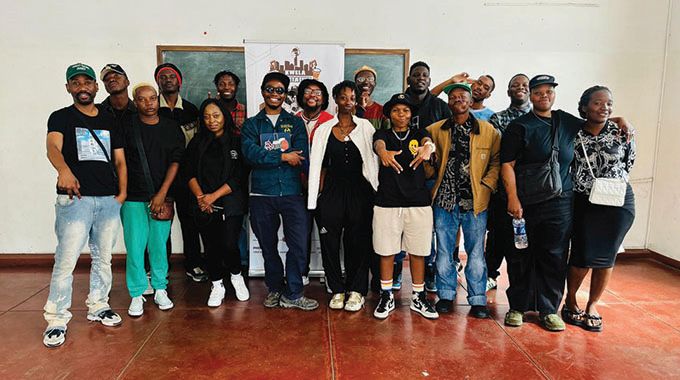
What stood out most, however, was the initiative’s decision to move away from the usual focus on numbers. In an industry where success is often measured by packed venues or viral moments, Kwela Initiative chose a different path — one that values depth over scale and impact over spectacle.
“We had a modest turnout of around 10 artistes, but the impact of the session was significant,” organisers noted.
That smaller, more focused setting changed the tone of the engagement entirely. It allowed artistes to speak openly, to ask questions they might otherwise have held back, and to receive honest, direct feedback from the panel. There was no pressure to impress — only a shared desire to learn and grow. In many ways, it was this intimacy that gave the session its real strength, reflecting a belief that meaningful progress often begins in quieter, more intentional spaces.
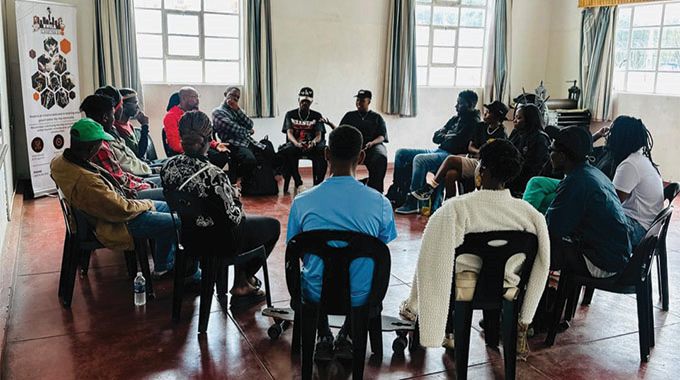
The event also pointed to something bigger taking shape within Bulawayo’s creative community. There is a growing recognition that talent alone is not enough — that guidance, structure and shared knowledge are just as important. As the local arts scene continues to expand and evolve, gatherings like this suggest a shift towards building not just artistes, but a supportive and informed community around them.
For many in attendance, the message was clear: the journey in music is no longer just about being heard, but about understanding the business, protecting your identity and learning how to move with purpose in a demanding environment. It is a reality that can feel overwhelming, but also one that becomes manageable with the right support.
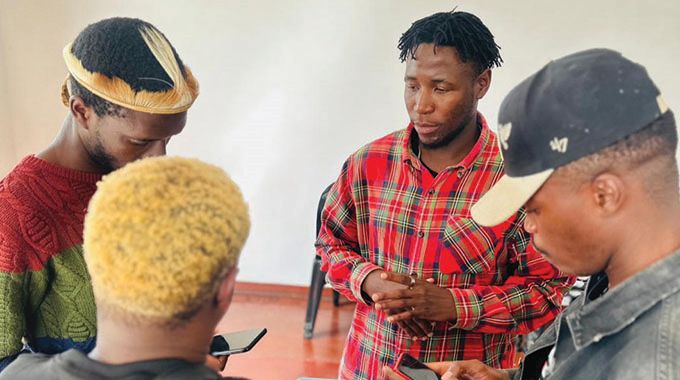
And the story does not end here. The organisers say more editions of The Headliners Playbook are already in the pipeline, each one aimed at strengthening this growing creative ecosystem.
The commitment is steady, the vision clear — to create spaces where young artistes are not only seen, but truly prepared.
In a city with a rich artistic spirit and a history of shaping cultural voices, the Kwela Initiative is quietly carving out a future where talent is guided, refined and given room to grow. — @MbuleloMpofu