Theseus Mauruki Shambare in KARIBA
THE recently launched Lake Kariba Blue Economy Strategy and Investment Plan is expected to unlock fresh investment opportunities in fisheries, aquaculture, tourism, renewable energy and water transport, positioning the transboundary water body as a major driver of economic growth for Zimbabwe and Zambia.
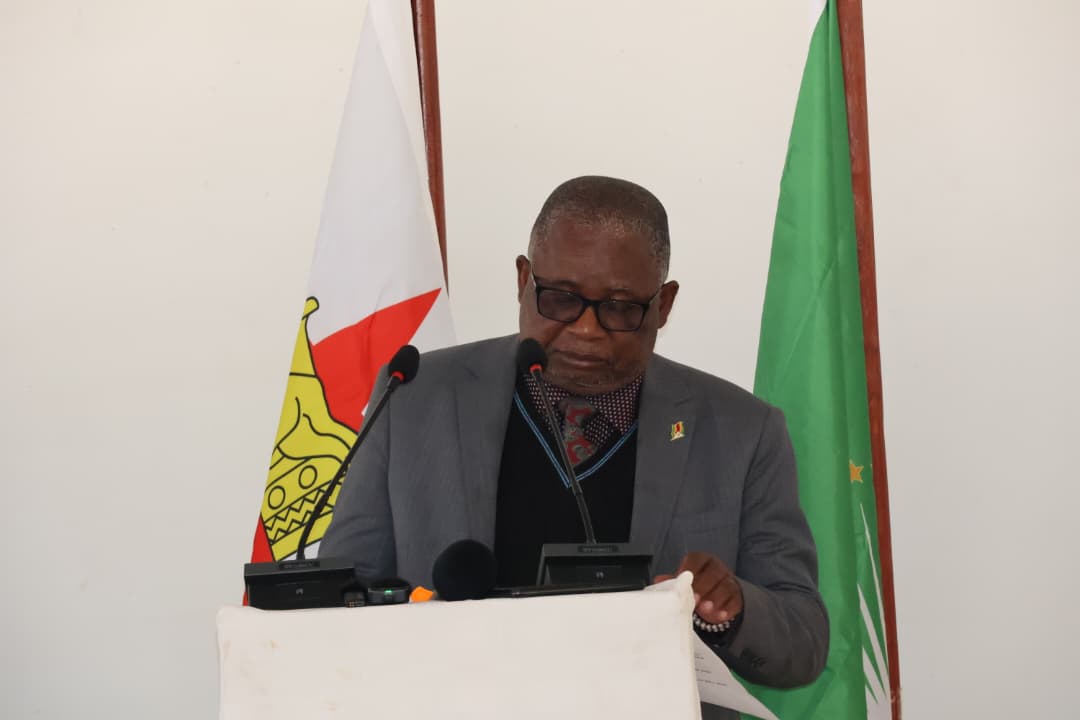
Speaking during the joint Zimbabwe-Zambia commemoration of the 2026 African BorIder Day currently underway in Kariba, Permanent Secretary in the Office of the Minister of State for Provincial Affairs and Devolution for Mashonaland West, Mr Josphat Takundiwa Jaji, said the strategy marked a new chapter in the sustainable utilisation of one of Africa’s largest man-made lakes.
“The launch earlier this year of the Lake Kariba Blue Economy Strategy and Investment Plan by the Governments of Zimbabwe and Zambia, working with the Food and Agriculture Organisation and the African Development Bank, has opened further avenues for investment in fisheries, aquaculture, ecotourism, water transport and renewable energy,” he said.
Mr Jaji said the strategy comes at an opportune time following improved rainfall in the Zambezi catchment, which has significantly boosted water levels in Lake Kariba.
“The rising waters of this lake this year, following better rains in the Zambezi catchment area, have restored confidence in tourism, fishing and power generation,” he said.
“This confidence brings renewed opportunities for investors prepared to invest in this part of our province.”
He said Lake Kariba, jointly managed by Zimbabwe and Zambia, had evolved into more than a shared water resource, becoming a strategic economic asset capable of driving regional integration and sustainable development.
“Our two nations share a long boundary that runs through and across the waters of Lake Kariba,” said Mr Jaji.
“It is therefore fitting that we gather at this very site where the waters that connect our nations also mark the line that divides them.”
He said the success of the blue economy agenda would depend on continued cooperation between the two neighbouring countries in managing shared natural resources.
Representing the Zambian Government, Southern Province Assistant Secretary Mr Beston Mbozi said Lake Kariba had for decades sustained livelihoods while contributing significantly to the economies of both countries.
“Lake Kariba is not just a geographical feature separating our two nations,” he said.
“It is a shared heritage, a shared responsibility and a powerful symbol of the partnership between the Republic of Zambia and the Republic of Zimbabwe.”
Mr Mbozi said the lake supported hydroelectric power generation, fisheries, tourism and employment while providing food security for thousands of households on both sides of the border.
“For generations, Lake Kariba has sustained the livelihoods of our people. It powers our economies through hydroelectricity, supports thriving fisheries, promotes tourism, creates employment and serves as a source of food security and economic opportunity for thousands of households on both sides of our common border,” he said.
He called for stronger collaboration in protecting the lake’s ecosystems to guarantee long-term economic benefits.
“The future of Lake Kariba, and indeed the well-being of our border communities, depends on our ability to work together in protecting this invaluable resource for present and future generations,” he said.
International Organisation for Migration representative Ms Keisha Livermore said the lake demonstrated how shared natural resources could become platforms for regional cooperation and inclusive development.
“Lake Kariba connects people, supports livelihoods, sustains local economies and demonstrates the value of cooperation around a shared resource,” she said.
She said that effective cross-border governance would ensure the lake continued to facilitate trade, safe mobility and economic opportunities while safeguarding the livelihoods of communities that depend on it.
The Lake Kariba Blue Economy Strategy and Investment Plan, developed jointly by Zimbabwe and Zambia with support from the Food and Agriculture Organisation and the African Development Bank, seeks to transform the lake into a catalyst for sustainable investment, economic diversification and shared prosperity while promoting the conservation of one of Southern Africa’s most important transboundary water resources.