Online Reporter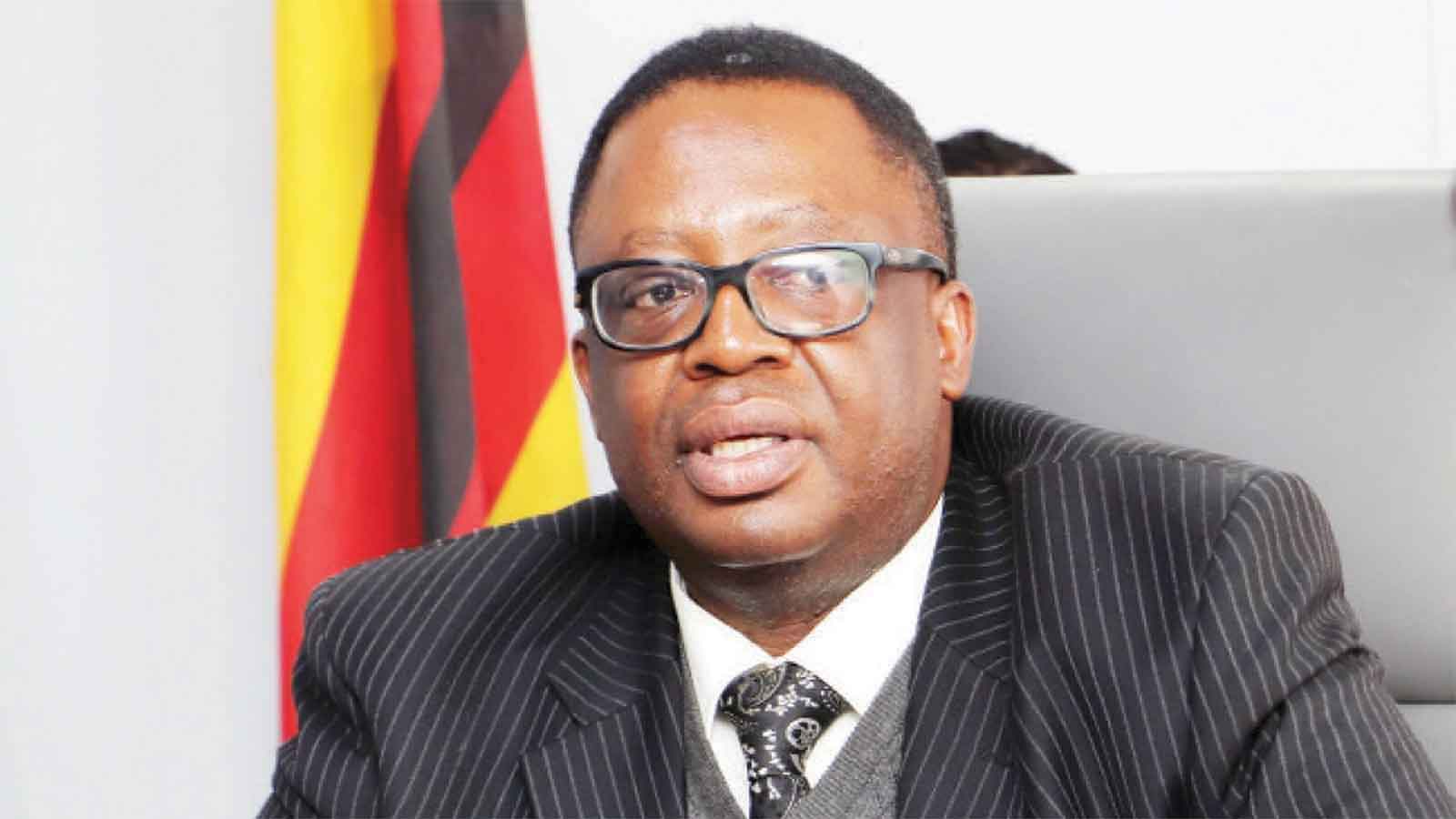
Point Blank
Permanent Secretary in the Ministry of Lands and Rural Development PROFESSOR PROSPER BVUMIRANAYI MATONDI says land must be transformed from a mere resource into a catalyst for rural development, industrialisation and economic prosperity. Our reporter THESEUS Mauruki SHAMBARE recently sat down with him to unpack the Government’s vision for modern land administration, digitisation of land records, security of tenure, rural transformation and the role of communities in shaping Zimbabwe’s development agenda.
***************
Q: You have spoken about land being more than just a resource for allocation. What does land mean in the context of Zimbabwe’s development agenda?
A: Land is an enabler of development and transformation of society. It is not just about the physical space that we occupy. It affects the lives of people in different ways — how they create wealth, how they generate income and how they improve their livelihoods. For us as a ministry, land is important, but rural development is probably even more important because land must translate into prosperity. It must give people dignity, opportunities and the ability to transform their lives.
Land is heritage; it is spiritual and it is part of who we are as a people. But beyond that, it must become a productive asset that supports agriculture, industrialisation and economic growth.
Q: There have been concerns over land disputes and illegal allocations. What measures is Government taking to address these challenges?
A: We are moving towards a modern land information management system. The intention is to have one single land registry for the country that captures all relevant information about land.
Currently, we have systems that are outdated. We have information stored in different formats, including Excel and Microsoft Access, which creates vulnerabilities.
We want to move away from those systems and create a digital land cadastre that clearly shows every parcel of land, its boundaries, its ownership and its use.
A proper cadastre system is not only a technical process; it is also a social process. It helps people understand boundaries and reduces conflicts. People who have lived together for many years sometimes end up fighting because of unclear boundaries. Technology will help us resolve that.
Q: How will this digital land system improve accountability in land allocation?
A: Digitalisation will eliminate malfeasance in the delivery of land-based services. When we have accurate and accessible information, decisions can be made based on evidence. In future, someone should be able to access information about a piece of land and understand its attributes before making decisions.
We want a system where land-use planning is clear — where we know where agriculture should happen, where infrastructure should happen and where settlements should develop.
Land cannot be developed randomly. It must be planned.
Q: The Government has been issuing title deeds to farmers. What progress has been made and what challenges have emerged?
A: We have rolled out a one-stop centre for the issuance of title deeds here in Harare, and we are working towards establishing similar centres at provincial and district levels.
However, the process has shown us some challenges. Some applications are getting stuck because of issues around maps, diagrams and land disputes.
But these are important steps because we need to ensure that when someone receives a title deed, that land is properly defined, has clear boundaries and is not contested.
We cannot rush the process and create future conflicts.
Q: You have emphasised rural development as a priority. What should Zimbabwe’s rural areas look like in the future?
A: Rural development must be people-driven. We do not want plans that are developed in offices and stored on shelves. Planning must start with communities. It must begin from villages, wards and districts, where people identify their priorities.
We want rural areas to become spaces of opportunity, where people can build homes, create businesses and participate in economic development.
The future rural economy must be based on industrialisation, technology and value addition.
Q: How important is technology, including artificial intelligence, in transforming rural communities?
A: Rural communities cannot be left behind by technology. We are living in a world where artificial intelligence and innovation are changing how people work and live.
The question we must ask ourselves is: How do we ensure rural communities benefit from these developments?
We need skills development, innovation and infrastructure that allow people in rural areas to participate in the modern economy.
Q: The Government has spoken about Vision 2030 and leaving no one and no place behind. What role does rural development play in achieving this?
A: Rural development is central to Vision 2030 because a large percentage of our population lives in rural areas.
Economic growth must be rural-centred. We need to ensure that people in rural communities have access to opportunities, infrastructure, markets and services.
The future we want is one where every place and every person is included.
Our philosophy is simple: We must work with people, not just for people.
Q: What is your vision for Zimbabwe’s land administration system in the next few years?
A: We want to see a system that is efficient, transparent and trusted by citizens.
Within the next few months, people should begin seeing significant improvements as we roll out reforms.
Our objective is to ensure that land becomes a foundation for prosperity, development and transformation.



 Bongani Ndlovu