Theseus Mauruki Shambare
LAND tenure reform should be viewed as an economic transformation programme capable of unlocking the value of Zimbabwe’s agricultural land, Land Tenure Implementation Committee (LTIC) chairman Dr Kuda Tagwirei has said.
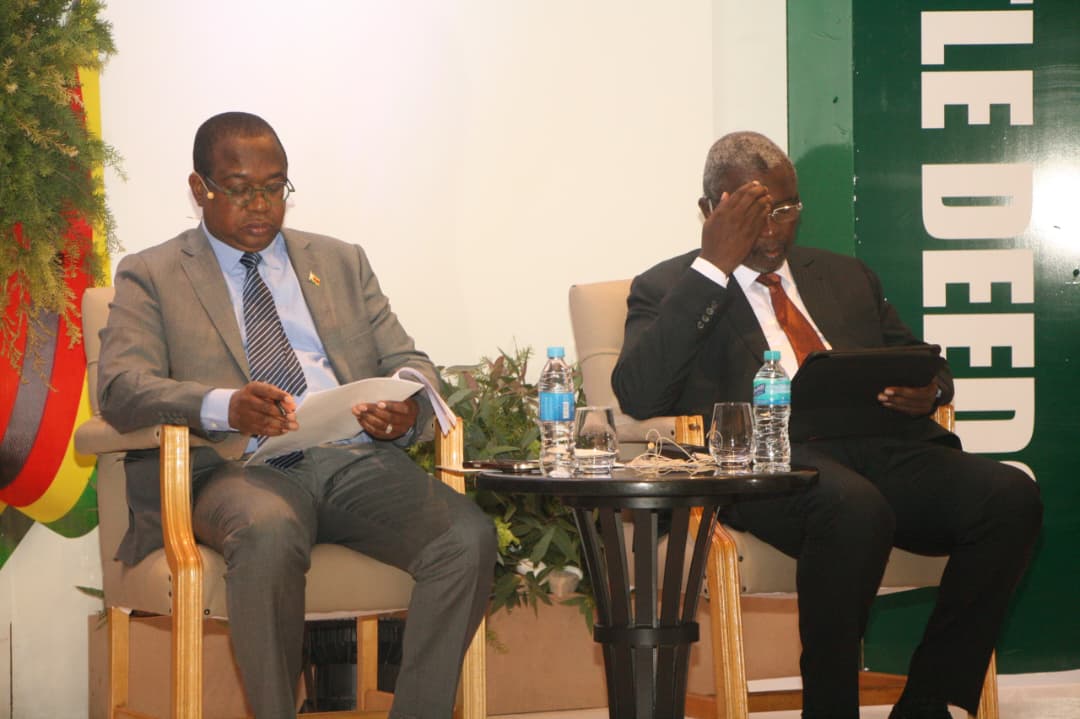
Addressing a high-level stakeholder breakfast meeting in Harare today, Dr Tagwirei said secure land tenure would create a chain of economic benefits, from improved access to finance and investment to higher productivity and household prosperity.

“Land tenure reform is not merely an administrative process; it is an economic transformation programme,” he said.
Dr Tagwirei said Government had so far surveyed about 4,2 million hectares as part of efforts to establish a modern land administration system.
He said the reforms had also seen traditional large-scale commercial holdings decline by 62,6 percent, while small-scale agricultural holdings had expanded.
Dr Tagwirei said the Presidential Title Deeds Programme was now converting occupation into formal ownership, with title deeds being issued to beneficiaries.
“As of 24 August, we had surveyed 27 045 plots and mapped 10 231 to their beneficiaries,” he said.
He said 1 824 agreements of sale had been concluded, with a combined value of about US$110 million.

Dr Tagwirei said the reform process was anchored on six principles directed by President Mnangagwa — simplicity, accessibility, transparency, predictability, digitisation and accountability.
“The landholder must experience one coordinated journey, from survey and evaluation, through to agreement, payment and registration of the deed itself,” he said.
He said the proposed one-stop processing system would also introduce safeguards against double allocations, boundary disputes and illegal evictions while providing clear mechanisms for redress.
Dr Tagwirei said secure tenure would make land bankable, attracting investment that would raise productivity and ultimately generate national prosperity.

“Secure tenure makes land bankable; bankable land attracts investment; investment raises productivity; and productivity delivers household and national prosperity,” he said.
He said the programme would also create a US$16,8 billion development fund through farmers’ payments, with resources expected to support compensation, debt reduction, infrastructure, agricultural lending and reserves.
The fund, he said, would ensure the benefits of land reform extend beyond individual landholders to the wider economy.

Dr Tagwirei said the reforms should therefore be viewed as an opportunity rather than merely a risk-management exercise.
The meeting also heard from senior Government officials on legal certainty, agricultural commercialisation, urban land and the role of financial institutions in unlocking value from titled land.