Online Reporter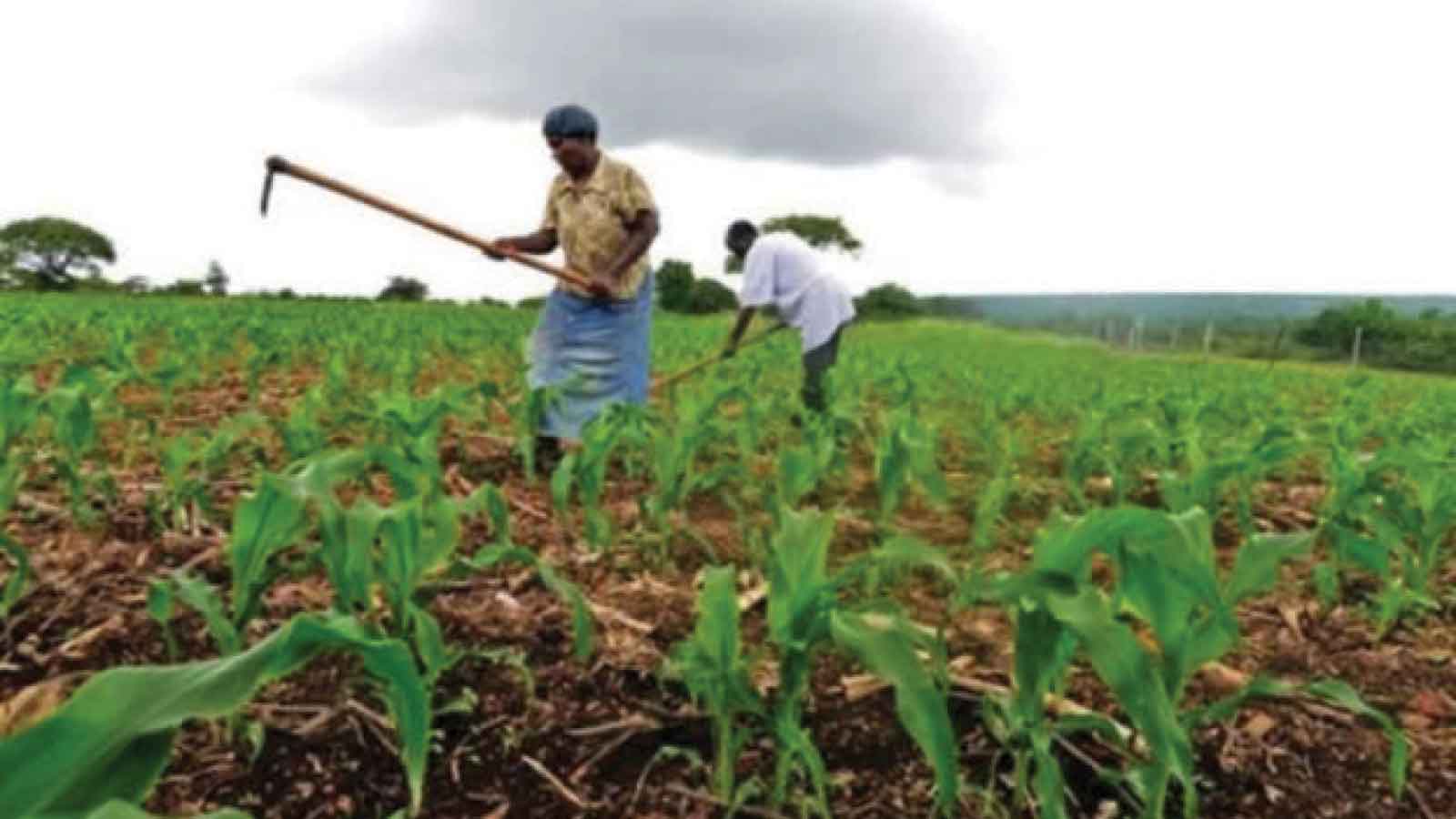
Marilyn Mutize
Zimbabwe is witnessing a quiet but powerful transformation in the way land is perceived, managed, and utilised. The latest land tenure update is a landmark moment in our national development story.
It is not merely a policy adjustment; it is a decisive step towards ensuring that land becomes a bankable, transferable, and secure asset that can drive economic empowerment and deliver food security for every Zimbabwean.
As we advance towards Vision 2030, this reform marks a clear shift from past limitations to a future where land is a tool for prosperity, not just survival.
Since time immemorial, land has always been central to Zimbabwe’s identity and national sovereignty — and rightly so.
The Government’s land reform programme restored land to the rightful hands of Zimbabweans, correcting historical injustices and restoring dignity to rural communities.
But the transformation has never been complete until land becomes economically productive and truly empowering.
Today, the Government is closing that final gap. By strengthening land tenure, Zimbabwe is turning land into a foundation for investment, growth, and national progress.
This is a decisive move for the ordinary Zimbabwean farmer who has always been the backbone of our food system.
Secure land tenure means that a farmer who has worked and cared for the land for years can now have confidence that the land is legally protected.
It means that the farmer can confidently plan for the future, invest in modern irrigation, purchase inputs, and adopt technologies that improve productivity.
It means that land is no longer a static asset but a dynamic one, capable of generating wealth and sustaining livelihoods.
This is a Government that is delivering on its promise to empower citizens through practical and measurable reforms.
The impact of secure land tenure on food security cannot be overstated. Zimbabwe’s agricultural sector remains the heartbeat of the nation’s food supply, and this reform directly strengthens that heartbeat. When farmers have secure rights to land, they can invest in long-term improvements without fear of losing their property.
They can expand production, adopt climate-smart farming methods, and build resilience against droughts and climate shocks.
The Government’s land tenure update is therefore not just an administrative reform; it is a strategic move to safeguard the nation’s food supply and ensure that every Zimbabwean has access to nutritious food.
This reform is also a strong demonstration of the Government’s commitment to economic empowerment.
When land becomes bankable, it becomes a gateway to finance. A farmer with a secure title can approach financial institutions to access credit for investment in farming equipment, storage facilities, or value addition.
This is the kind of empowerment that turns small-scale farming into a business, creates jobs, and strengthens rural economies.
The Government is ensuring that land is not only a symbol of ownership but also a pathway to financial inclusion and economic growth.
The inclusion of women and youth in this reform is equally important. Women have played a central role in agriculture and rural development, and the Government’s land tenure update is helping to ensure that women’s rights are protected and strengthened.
By formalising land rights, women are able to participate more fully in the economy, access credit, and build sustainable livelihoods.
Youth, too, stand to benefit significantly. Young people can now see agriculture as a viable and profitable career path, supported by secure land rights and access to finance.
This is a powerful message that the Government is investing in the future of Zimbabwe by empowering the next generation.
The land tenure update is also a strategic boost to Zimbabwe’s investment agenda.
Vision 2030 is not merely a plan; it is a national mission to build an upper-middle-income economy.
A secure land tenure system sends a clear message to investors that Zimbabwe is a stable and predictable environment for business.
It builds confidence and encourages investment in agriculture, agro-processing, and rural infrastructure. This reform supports the Government’s broader agenda of industrialisation and economic transformation. It is a practical step towards attracting investments that create jobs and grow the economy.
This development is a demonstration of the Government’s ability to deliver results through effective policy implementation. It is proof that Zimbabwe is not only reforming its systems but also strengthening institutions and governance structures.
The land tenure update is evidence of a Government that is listening to the needs of its people and taking decisive action to improve their lives. It is a reform that will be felt by millions, from the smallholder farmer in rural districts to the investor seeking opportunities in agriculture and value addition.
As Zimbabwe moves towards Vision 2030, this land tenure update represents a critical milestone. It shows that the Government is transforming land into a secure, productive, and valuable asset that supports economic growth, food security, and national development. The message is clear: land is no longer just a source of identity or a place to farm; it is a bankable asset that can unlock investment, create wealth, and empower citizens.
The transformation is not a plan for the future; it is happening now. The Government is delivering on its promise to secure land rights and build a stronger economy.
Zimbabweans should celebrate this progress and embrace the opportunities that come with it. With secure land tenure, the nation is building a future where land is a source of prosperity for all, and where Vision 2030 becomes a reality through concrete reforms that uplift the people.
Zimbabwe’s land tenure update is a powerful step forward, and it confirms that the Government is moving the country in the right direction. Land is now being turned into a bankable, transferable, and secure asset — an asset that will drive economic empowerment and ensure food security for all Zimbabweans.
This is the kind of transformation that will define the nation’s future, and it is happening now