Theseus Mauruki Shambare
THE Ministry of Lands and Rural Development is seeking to turn environmental stewardship into an engine for rural economic transformation, combining tree-growing, community enterprises and clean-up initiatives to promote sustainable livelihoods.
The approach recognises that responsible land management goes beyond conserving natural resources to ensuring communities derive economic value from their environment while maintaining clean, healthy and productive settlements.
Through its “Our Land, Our Care” initiative, the Ministry is promoting tree-based enterprises such as fruit production, agroforestry, sustainable timber development and beekeeping, with women and young people expected to benefit from emerging livelihood opportunities.
In an interview lauching the initiative, Permanent Secretary Professor Prosper Bvumiranayi Matondi said trees should increasingly be recognised as productive economic assets capable of supporting rural enterprises and diversifying household incomes.
“Properly selected and managed, they can support agroforestry, fruit production, sustainable timber development, beekeeping and other nature-based enterprises,” he said.
Prof Matondi said such activities could create employment, strengthen local value chains and increase economic returns from land, particularly in rural communities.
“For rural communities, these opportunities can translate into diversified household incomes, employment creation, stronger local value chains and increased economic returns from land,” he said.
The Ministry envisages supporting community woodlots, productive fruit orchards, agroforestry systems and institutional nurseries, creating opportunities in seedling production, nursery management and fruit processing.
However, its rural development approach also places emphasis on responsible environmental stewardship, with communities expected to protect their surroundings, rehabilitate degraded landscapes and adopt sustainable land-use practices.
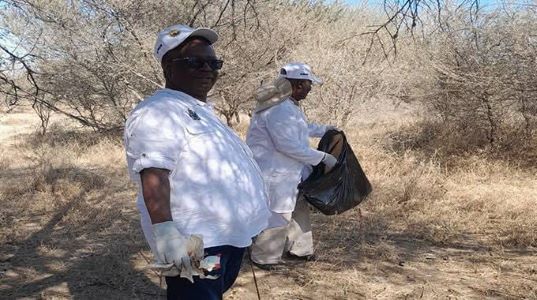
The Ministry is also participating in clean-up campaign initiatives as part of efforts to promote environmental cleanliness, responsible waste management and community ownership of public spaces.
These interventions complement tree-growing by encouraging communities to take collective responsibility for the condition of their settlements and the natural resources that sustain their livelihoods.
Prof Matondi said trees play an important role in preventing soil erosion, improving soil structure, retaining moisture, protecting water catchments and conserving biodiversity.
He said sustainable land management required a whole-of-society approach involving Government institutions, local authorities, traditional leaders, communities, the private sector and development partners.
“Government can provide policy direction and technical coordination, but the sustainability of the initiative will ultimately depend on community ownership and participation,” he said.
The Ministry’s initiative is targeting at least 100 000 trees across the country’s 10 provinces between November 1 and December 1, 2026.
Prof Matondi said the broader ambition was to build a lasting relationship between people, land and the environment, ensuring natural resources were protected while their productive potential was unlocked for present and future generations.
The programme is aligned with Vision 2030 and the National Development Strategy 2 (2026–2030), which prioritises economic transformation, climate resilience, sustainable resource utilisation and inclusive development.