admin
admin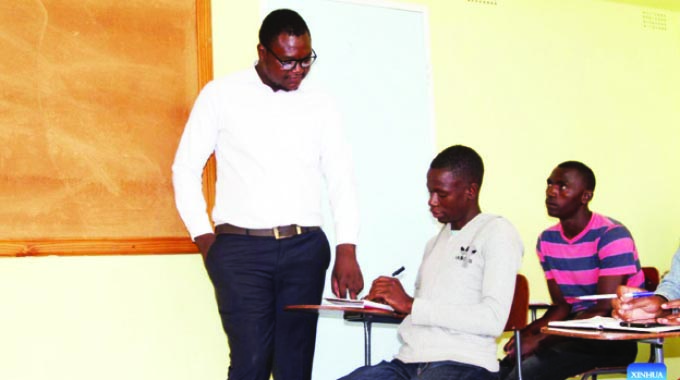
Zimbabwe and China are making strides in increasing cooperation within the context of their comprehensive strategic partnership framework, and one key driving force is the sharing of culture and language, which is opening new frontiers.
In an interview with Kelly Zvomuya (KZ), Ruzivo Media and Resources Centre associate researcher Tawanda Zimhindo (TZ), a leading scholar and Chinese language lecturer at the University of Zimbabwe’s Confucius Institute, helped us understand the nexus between language and culture and their contribution to furthering the concept of building the China-Africa community with a shared future. Below is their conversation.
KZ: Can you share your experience of Zimbabwe-China relations as a Chinese language and culture practitioner? When and how did your interest in China develop?
TZ: As a Chinese language and culture practitioner in Zimbabwe, my experience with Zimbabwe-China relations has been both enriching and insightful. I have witnessed first-hand the deepening ties between our two nations in various domains, including language education, cultural exchanges and economic cooperation.
My interest in China began during my early years when I was exposed to Chinese language and culture through my studies in the Chinese language. This initial fascination grew as I delved deeper into the culture, history and customs of China. The more I learned, the more I realised the importance of building bridges between different cultures to foster understanding and cooperation.
My formal education in Chinese language and culture further ignited passion for promoting intercultural dialogue and strengthening relations between Zimbabwe and China. Through my work as a Chinese language and culture practitioner, I have had the privilege of facilitating language programmes, organising cultural events and engaging in educational exchanges that have contributed to deepening the understanding and friendship between our two nations.
In a rapidly-changing global landscape, I believe that nurturing strong cultural ties and language proficiency is essential for promoting sustainable cooperation and building a more interconnected and harmonious world.
My journey as a Chinese language and culture practitioner has been shaped by a deep appreciation for the values of diversity, mutual respect and the power of language to bridge gaps and foster meaningful relationships between people from different backgrounds.
KZ: You’re one of the prominent Chinese language teachers in Zimbabwe and Africa. How has this affected your worldview and what do you share with others on the significance of language and culture in fostering or promoting understanding?
TZ: Being recognised as one of the leading Chinese language teachers in Zimbabwe and Africa has profoundly shaped my worldview. Through interactions with students and others, I emphasise the significance of language and culture in fostering understanding and promoting harmony.
I believe language is not just a tool for communication but a gateway to understanding different cultures and perspectives. When teaching Chinese, I strive to instil in my students a deep appreciation for the richness of Chinese culture and the importance of cross-cultural exchange. I emphasise that language and culture are intertwined aspects that play a crucial role in building bridges between people from diverse backgrounds. By learning a language, we gain insight into the customs, beliefs and values of a culture, fostering empathy and mutual respect.
I encourage students to see language as a vehicle for building connections and breaking down barriers, emphasising the power of communication in promoting global understanding and cooperation.
By embracing linguistic diversity and cultural differences, we create opportunities for meaningful dialogue and collaboration that transcend borders.
KZ: Eleven years ago, Chinese President Xi Jinping introduced the vision of building a community with a shared future for mankind, one of whose pillars is culture. What is your understanding of this concept, and how does it dovetail with fundamentals and praxis of language and culture?
TZ: President Xi Jinping’s concept of a community with a shared future for mankind underscores the interconnectedness of nations and the need for cooperation to address common challenges. Within this framework, culture plays a pivotal role as a bridge for fostering understanding and unity among diverse civilisations.
My understanding of this concept aligns with the belief that language and culture are essential components in building relationships and promoting mutual respect. Language serves as a medium for communication and cultural exchange, enabling people from different backgrounds to connect, exchange ideas and build meaningful relationships.
By emphasising cultural understanding and appreciation, President Xi’s vision resonates with the fundamentals of language and culture as vehicles for promoting dialogue, empathy and collaboration across borders. Language learning facilitates a deeper understanding of cultural nuances, traditions and values, fostering a sense of mutual respect and inclusivity.
In practice, promoting language education and cultural exchange programmes aligns with the vision of the community with a shared future for mankind by nurturing cross-cultural competence, fostering intercultural dialogue and cultivating a sense of global citizenship.
By embracing diversity and promoting cultural awareness, we contribute to the realisation of a more harmonious and interconnected world based on mutual understanding and cooperation.
KZ: In recent times, President Xi has also propounded the idea of the Global Civilisation Initiative that underscores the interconnectedness of human civilisations and inspiration from the past. How can Zimbabweans and Chinese, from a practical perspective, foster stronger bonds, inspired by this philosophy?
TZ: This can be done through practical initiatives that celebrate their shared heritage and promote cultural exchange. These include:
A: Cultural Exchange Programmes: Organise cultural exchange programmes between Zimbabwe and China that showcase the rich history, traditions and arts of both nations. This can include exhibitions, workshops and performances that promote mutual understanding and appreciation.
B. Language learning programmes: Encourage the exchange of language skills between Zimbabweans and Chinese. Language is a powerful tool for cultural understanding and initiatives that promote learning each other’s languages can strengthen ties and facilitate communication.
C. Historical heritage preservation: Collaborate on projects that preserve and promote the historical heritage of both countries. By sharing knowledge and expertise in heritage preservation, Zimbabweans and Chinese can deepen their understanding of each other’s past and build connections for the future.
D. Joint research and academic partnerships: Foster collaborations between universities and research institutions in Zimbabwe and China. Joint research projects, academic exchanges and scholarships can facilitate the exchange of ideas and knowledge, nurturing a culture of innovation and mutual learning.
E. People-to-people exchanges: Promote tourism, student exchanges and cultural immersion programmes between Zimbabwe and China.
KZ: Africa and Zimbabwe have outstanding achievements from past civilisations, for example, Great Zimbabwe kingdom that flourished 600 years ago. It also enjoyed contact with China, itself an ancient civilisation. What sort of inspiration and guidance can we draw from this?
TZ: The historical ties between ancient African civilisations and ancient China provide inspiration for modern societies. Lessons in cultural exchange, shared values, heritage preservation, respect, innovation and resilience offer guidance for fostering partnerships and cooperation today. By drawing on the wisdom of the past, Africa and Zimbabwe can cultivate understanding, drive innovation and build a collaborative future based on mutual respect and shared heritage.
KZ: How important are people-to-people exchanges and friendship bonds in ensuring growth, continuity and sustainability of relations between Zimbabwe and China and how can the concept of a community of a shared future take root?
TZ: I see first-hand the vital role of people-to-people exchanges and friendship bonds in strengthening relationships between the two nations.
By promoting interactions that transcend borders, language barriers and cultural differences, young people can cultivate friendships that bridge divides and promote mutual respect. These relationships not only enhance diplomatic ties, but also create a sense of community and solidarity that transcends national boundaries.
The concept of a community of a shared future can take root through initiatives that promote global citizenship, intercultural dialogue and collective action on pressing issues like climate change, poverty alleviation and sustainable development. By fostering empathy, cooperation and a sense of global responsibility among youth in Zimbabwe and China, we can nurture a shared vision of a harmonious future where diverse cultures coexist peacefully and prosperity is shared equitably.
Kelly Zvomuya is an associate researcher with Ruzivo Media & Resource Centre, a registered think tank that analyses global and local issues with a view to fostering debates and finding innovative solutions.


 Online Reporter