Online Reporter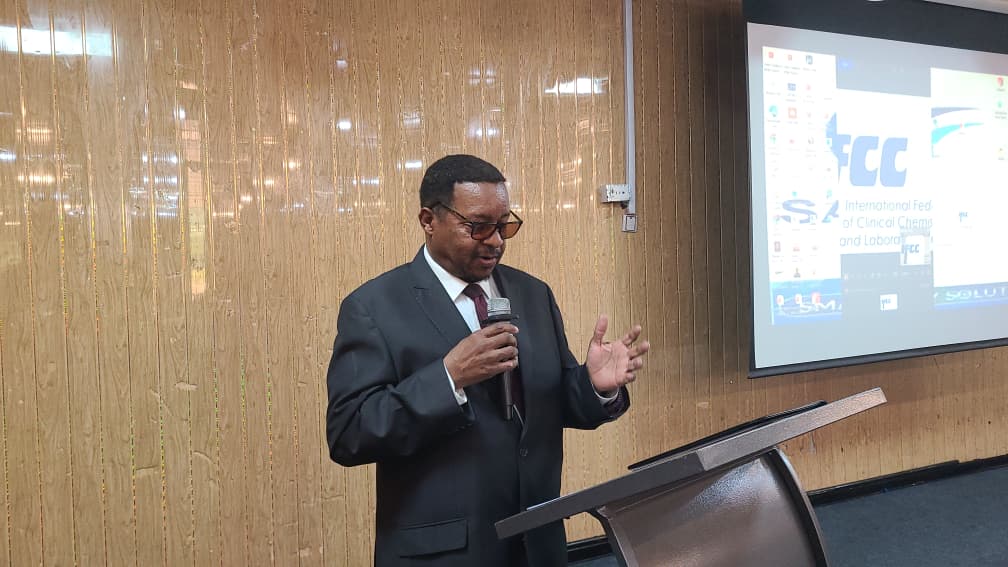
Obey Musiwa
Herald Reporter
Scientists, pathologists and diagnostic experts from 14 African countries connected online on Thursday for the 26th ZACBLabMed International Conference, where delegates highlighted late diagnosis as a major factor behind the continent’s high cancer mortality.
The conference heard that of the estimated 721 000 cancer deaths recorded annually in Africa, many could potentially be prevented through earlier detection and diagnosis.
Hosted in Harare by the Zimbabwe Association of Clinical Biochemistry and Laboratory Medicine (ZACBLabMed), the conference is being held under the theme “Recent Advances in Genomics, Proteomics, Bioinformatics and Management in Cancer and Infectious Diseases.”
The event brought together the Zimbabwe College of Pathology, the African Federation of Clinical Chemistry and Laboratory Medicine (AFCC) and the International Federation of Clinical Chemistry and Laboratory Medicine (IFCC).
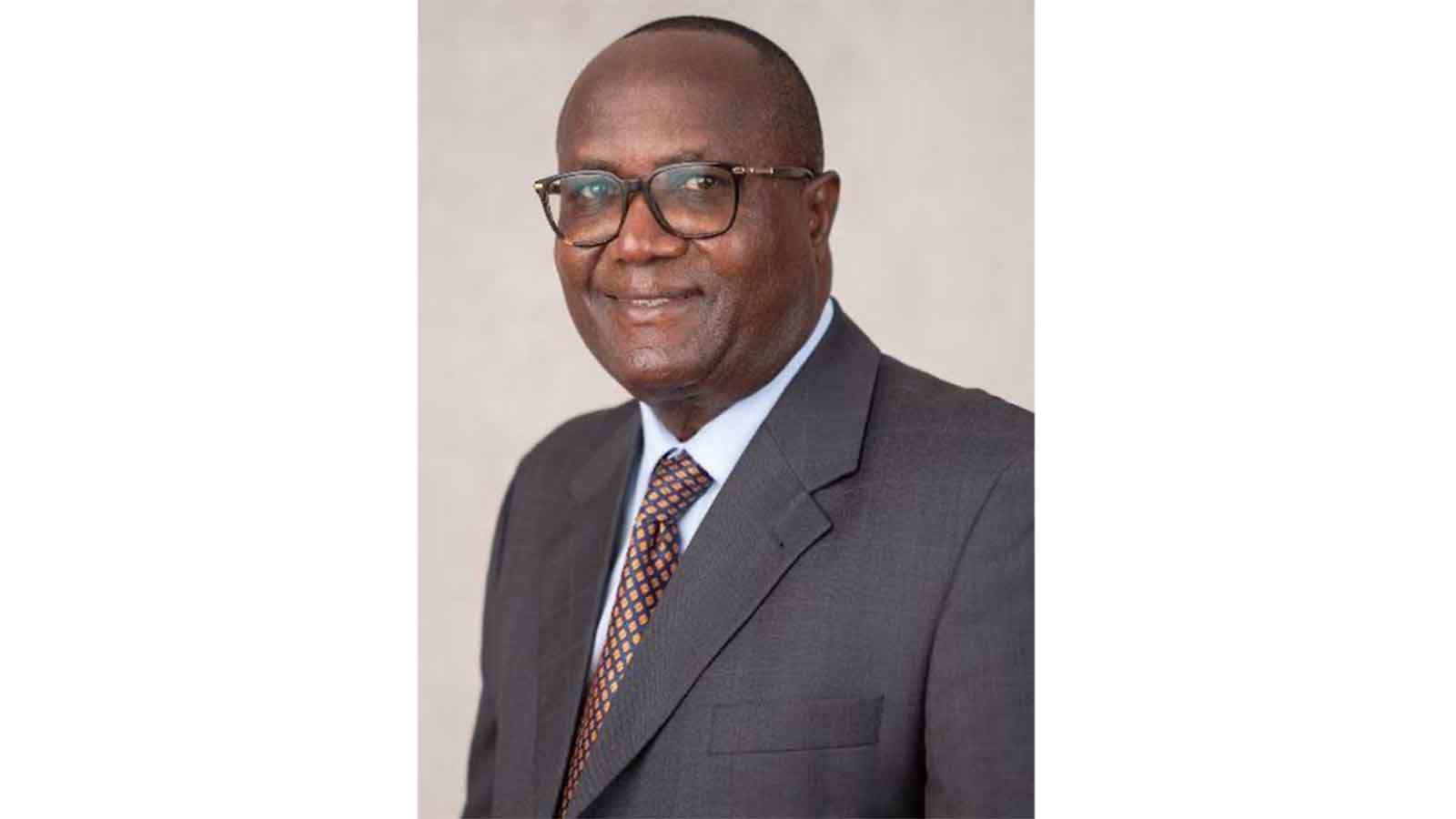
In a message delivered to delegates, former Health and Child Care Minister Dr Obadiah Moyo said Zimbabwe’s health system needed to shift from treating illness to predicting and preventing disease.
Dr Moyo introduced what he termed P4 Medicine — personalised, predictive, preventive and participatory — as a model that could help transform healthcare through early detection, targeted treatment and greater patient involvement
“We are witnessing a fundamental transformation — a shift from reactive healthcare to preventive healthcare,” he said.
“The future of medicine is not just about treating disease, it is about predicting it, preventing it, and partnering with the patient to sustain wellness.”
He added that the change would need investment in data systems, nutrition science and public health education if no one was to be left behind.
Elsewhere on the programme, delegates heard how the same DNA-based science is being pointed at threats closer to home.
ZACBLabMed founder and president Professor Hilda Matarira, who is also the president of the Zimbabwe College of Pathology, said the conference was designed to plug Africa into the same genomic science already reshaping medicine elsewhere.
She pointed scientists towards the specific diseases costing the region the most lives.
“The issue of genomics is the study of DNA in disease, this is DNA that determines what we produce, like proteins, and that comes under proteomics,” she said.
“The sequencing of these genes goes through computer analysis, which is called bioinformatics, and all this has to be managed in a clinical laboratory.”
She added that part of that response lay in Africa’s own backyard.
“Africa has many, many resources in plants, over 3 000 species, and we still have to discover the African drugs,” she said
“Those are God-given, where Africans may have less drug toxicity.”
Africa Federation of Clinical Chemistry and Laboratory Medicine (Africa FCC), president Professor Akalu Gizemati said the continent’s disease burden remained among the heaviest in the world, with cancer alone accounting for 1,2 million new cases a year.
He warned that the region was still racing to close a decades-old capacity gap even as it deepens ties with international partners.
“All organisms have unique genes to manage disease, to prolong life and improve public health. We are 15 years behind others, but we are building capacity with partners,” he said.
This development is a shift for doctors in saving more lives, as it closes the gap between falling ill and knowing it in time.