admin
admincontroversial topic of “Photography and the Law” from the perspective of an arts practitioner.
As with any other profession and art forms, photography is guided by certain legal parameters.
Where and how does Art and Photography encounter the Law?
According to Reward Topola, a seasoned professional commercial studio photographer and holder of a Higher National Diploma (HND) in photography, “It is important for both amateur and professional photographers to know and understand the legal boundaries of the camera lens. Given the camera can at times be a very invasive instrument, it is important to remember that people have more rights than your camera or the photographer.”
One cannot agree more.
Yes, photography tends to be protected by the law through various “moral rights” and copyrights acts. However, there are other restrictions stipulated by the law through various miscellaneous criminal offences that restrict and govern the act of taking photographs. Let us examine a few. The photography of certain sensitive subject matter is generally restricted in the interests of “Public Morality” and the “Protection of Children”.
The photography of certain subject matter is restricted in the UK and other countries. In particular, “The Protection Children Act of 1978, clearly restricts “the making or possession of indecent photography of minors or photos that may be deemed pornography or visually graphic in images of minors.”
Some Legal Aspects of the Invasion of photography and the Invasion of Private property
In general, under certain laws – for instance in the United Kingdom, one cannot prevent the photography of private property taken from a public place, and in general the right to take photographs on private land upon which permission has been obtained is similarly unrestricted. However, a land owner or building owner/proprietor or landlord has the right to impose any conditions they wish upon entry to a property such as forbidding or restricting photography. Some public locations have a specific provision against photography for publication or commercial purposes and permission is needed to photography or film places such as museums, galleries, royal parks, parliament and other important state properties.
“Paparazzi”, Privacy and the Law
Many famous personalities, rock stars and other celebrities have had their fair share of “photographic harassment”. This activity has led to the coining of the word “paparazzi” an Italian word adopted in English or “shutterbug” celebrity, gossip photographer/snoop – some of their actions have been malicious and even fatal.
For example the paparazzi “hounding of the late Princess Diana of Wales”, may have led to her early death in a car accident in August 1997.
The outcry of Diana’s death led to changes in Royal policy and laws regarding the media’s intrusion into the lives of the famous, for indeed the paparazzi were found to be a contributing factor in the death of the beloved princess.
Even today, many believe they should have been prosecuted for the part they played in her demise. Her companion Dodi Al Fayed also died in the accident in Paris.
The six paparazzi/photographers and one driver were arrested, stripped searched and forced to stand naked in front of the police. They were held for two days in cells. They faced five years imprisonment for manslaughter and “non-assistance to persons in danger”.
Their arrest served as a focal point for the rage of a nation. To this day many blame the accident on their relentless pursuit of the Princess.
Similarly, Michael Joseph Jackson (1958-2009) was often a victim of snooping paparazzi.
In Germany 2002, Michael caused uproar when he introduced his third child – Prince Michael Jackson (11) to the media by “dangling” him from a hotel window. The scene was shown repeatedly on television worldwide. A common African practice of introduction of the newly-born to ancestors. Could he have being doing this?
Which was perhaps misconstrued?
The persistent or aggressive pursuit for a photograph of an individual, famous personality or other celebrity may fall under the legal definition of “harassment”.
Photography and the right to privacy
Since the Human Rights Act 1998, a right to privacy exists in the United Kingdom and other countries, as a consequence of the in corporation of the European Convention on Human Rights into domestic law. This act can result in restrictions on the publication of certain photography. The right to privacy is also protected by Article 8 of the Convention on Human Rights. However, in the context of photography, it stands at odds to the Article 10 “The Right of Freedom of Expression”. As such, courts will consider the public interest in balancing the rights through the legal test of proportionality.
Courts and photography
Copyright can subsist in an original photography. But, whilst photographs can be classified as artistic works, the subsistence of copyright does not depend on artistic merit. The owner of the copyright in the photograph is the photographer – the person who creates it even by default.
However, where an employee commissioned in the course of employment takes a photograph -say for a newspaper, magazine, pamphlet or promotional signage, the first owner of the copyright is the employer or publisher, unless there is an agreement to the contrary.
Copyright in photograph lasts for 70 years from the end of the year in which the photographer dies. Certain photographs may not be protected by copyright. Acts Section 171(3) of the Copyright, Designs and Patents Act, 1988, gives courts jurisdiction to refrain from enforcing the copyright which subsists in works on the grounds of public interest. For example, some building plans, site plans or patent diagrams are held to be in the public domain and are thus not subject to copyright.
l Dr Tony Monda holds a Ph.D in Post-Modern Art Theory and Philosophy and a DBA Doctorate in Business Administration in Post-Colonial Art and Heritage Studies. He is also a practising artist, visual designer and art critic.
DISCLAIMER: This writer cannot be held responsible for any legal action that may arise from the publication of this article.


Online Reporter
- Chronicle , SundayNews
- September 23, 2026
- 12 views
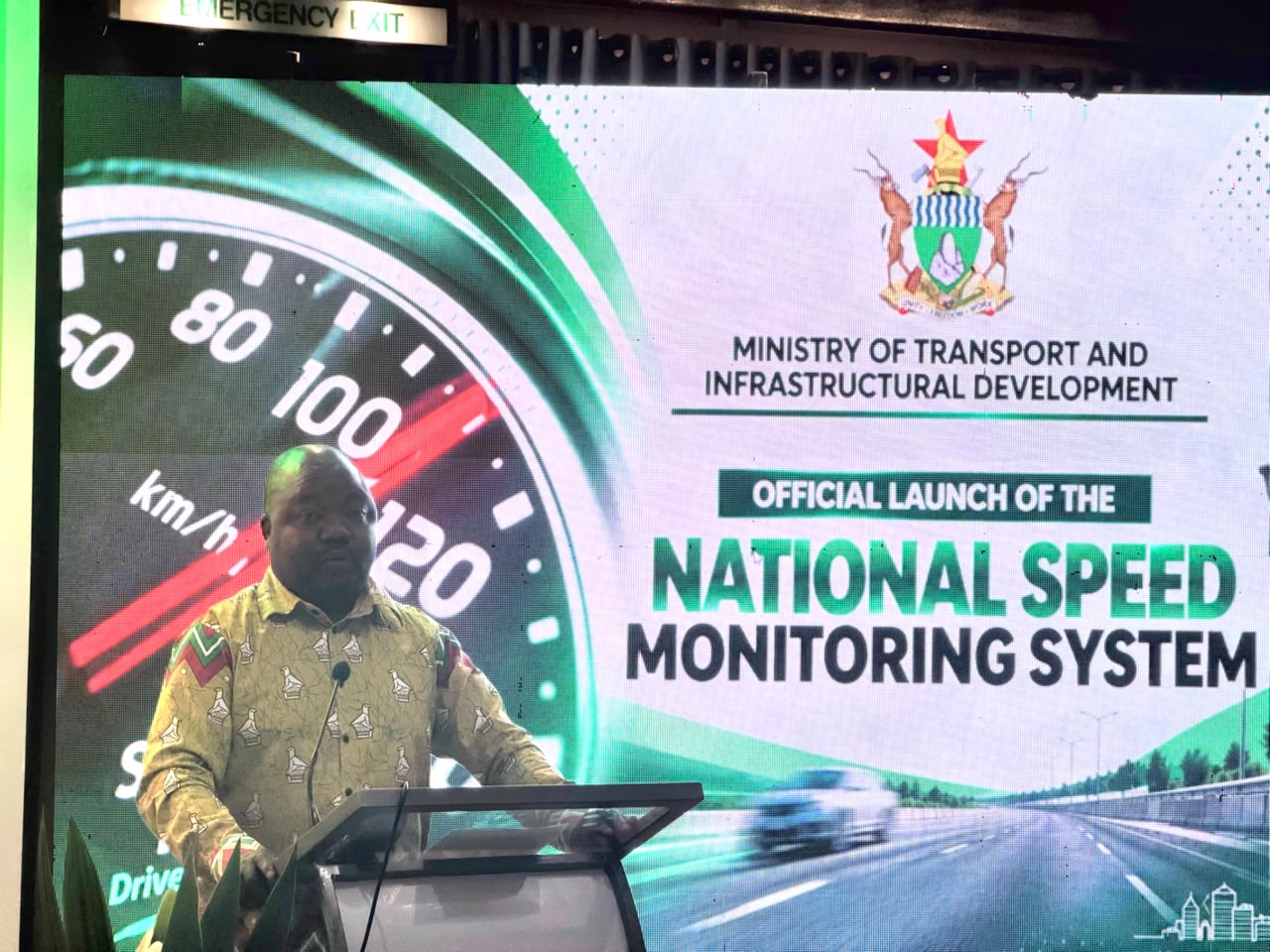
Speed monitoring system launch boosts digital economy drive
Mthabisi Tshuma [email protected] THE launch of the National Speed Monitoring System (NSMS) is part of Government’s drive to build a digital economy by using artificial intelligence and other emerging technologies…