Nothando Zondo @[email protected]
IN many rural communities, farming is more than just a way of putting food on the table. It is a source of income, a way of life, and the backbone of local economies. Yet farming can often be a lonely pursuit, with many farmers working in isolation and having limited opportunities to share ideas, learn from others or connect with markets.
That is why agricultural shows remain important.
Last Friday, Bayethe Primary School became a hive of activity as farmers from Wards 14 and 19, agricultural extension officers, development partners and agribusiness stakeholders gathered for the Bayethe Zonal Agricultural Show. The annual event brought together people from across the farming value chain and provided a platform for learning, networking and celebrating agricultural achievement.
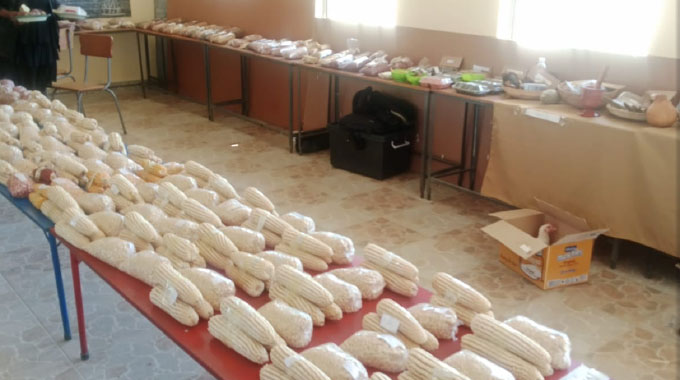
At a time when Zimbabwe is working to strengthen food security and advance Vision 2030, the show demonstrated the important role that local agricultural exhibitions continue to play in supporting rural development and improving livelihoods.
From livestock pens to exhibition stands, the event showcased some of the best farming work taking place in the area. Farmers displayed crop produce, livestock, value-added products and farming technologies, giving visitors an opportunity to see what is possible when knowledge, determination and hard work come together.
However, the value of the show went beyond the exhibits on display.
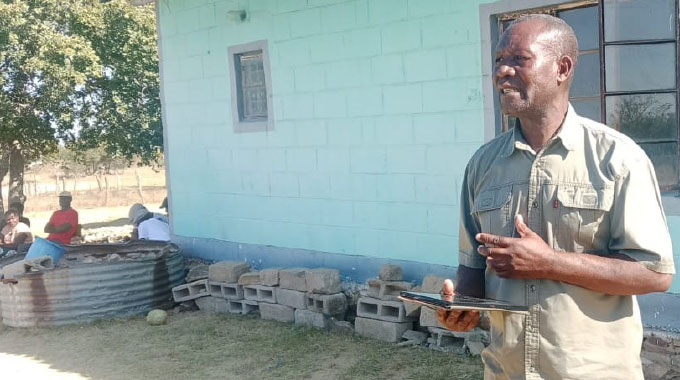
For many farmers, the event provided a rare opportunity to engage directly with agricultural experts, extension officers, input suppliers, financiers and potential buyers. It gave them the chance to learn from one another, compare their performance and explore new opportunities for growing their farming enterprises.
Officially opening the show, Umzingwane District Agricultural Business Advisory Officer head Mr Bhekilizwe Ncube said agricultural shows are much more than public displays of crops and livestock.
“Agricultural shows are more than just exhibitions. They are important platforms for learning, sharing knowledge, showcasing innovation and celebrating excellence in agriculture,” said Mr Ncube.
He commended the organising committee, exhibitors, sponsors, AGRITEX personnel, traditional leaders and development partners who worked together to make the event a success.
Mr Ncube noted that one of the greatest benefits of agricultural shows is their ability to bring people together. In many rural communities, farmers may not always have regular access to researchers, extension officers and agribusiness experts. Events such as the Bayethe Agricultural Show help bridge that gap.
“These gatherings enable farmers to interact with extension officers, researchers and agribusinesses, creating opportunities to exchange knowledge that improves productivity and strengthens rural livelihoods,” he said.
Knowledge sharing remains critical for modern agriculture. Farming conditions continue to change, especially as farmers face challenges such as climate change, rising input costs and increasingly unpredictable rainfall patterns. Access to practical information and new farming methods can often make the difference between success and failure.
Mr Ncube encouraged farmers to fully embrace agricultural competitions and exhibitions, saying they help drive innovation and motivate communities to improve their performance.
When farmers see what others are achieving under similar conditions, they are often inspired to adopt better practices and aim higher.
“When farmers exhibit their crops, livestock, agricultural produce and technologies, they inspire others to adopt improved farming practices. Shows provide an opportunity for benchmarking, where farmers can compare their achievements with others and identify areas for improvement,” said Mr Ncube.
Agricultural shows also create important business opportunities.
Beyond recognition and prizes, quality exhibits can attract the attention of buyers, investors and development partners. This can open doors to new markets and additional sources of income for farming households.
Mr Ncube urged farmers to focus on producing high-value products and maintaining high standards.
“High-value exhibits demonstrate the true potential of our farming communities. They enhance the reputation of our zone and district while creating opportunities for market linkages and business growth,” he said.
He paid tribute to farmers in Wards 14 and 19, describing the area as the breadbasket of Umzingwane District. Despite recurring droughts and the growing impact of climate change, farmers in the two wards have continued to record notable achievements in both crop and livestock production.
Their resilience, he said, has played an important role in strengthening household food security and supporting economic activity in the district.
“Every hectare planted, every livestock enterprise improved and every successful farming venture contributes towards building a prosperous Zimbabwe and the attainment of Vision 2030,” he said.
As climate change continues to affect rainfall patterns across Matabeleland South, farmers are increasingly being encouraged to adopt new ways of farming that allow them to produce more with fewer resources.
Mr Ncube called on farmers to embrace climate-smart agriculture, make use of modern farming technologies and invest in value addition. He also encouraged a shift from subsistence farming towards market-oriented production, where agriculture is treated as a business rather than merely a means of survival.
To support this transition, he encouraged farmers to work closely with Agricultural Business Advisory Officers and AGRITEX extension officers, who can provide technical guidance on improved seeds, conservation agriculture, post-harvest handling and other key areas.
“Farmers should take advantage of the extension services available and should not hesitate to approach Agricultural Business Advisory offices whenever they require technical guidance on any agricultural matter,” said Mr Ncube.
Another important message from the show was the need to involve more young people and women in agriculture.
For many years, farming has often been viewed as a last resort rather than a viable career. However, attitudes are slowly changing as more people begin to recognise the opportunities that exist within the agricultural sector.
Mr Ncube said agriculture has the potential to create jobs, improve household incomes and support sustainable rural development when farmers have access to knowledge, finance and markets.
He also stressed the importance of stronger partnerships between farmers, Government departments, the private sector and development organisations. Such collaborations, he said, are essential for unlocking the full agricultural potential of Umzingwane District.
The Bayethe Zonal Agricultural Show ultimately served as a reminder that rural development will not come from waiting for good rainfall alone.
It will come from learning. It will come from innovation. It will come from collaboration. And it will come from farmers embracing agriculture as a business.
In a region that frequently faces drought and other climate-related challenges, agricultural exhibitions provide more than just a showcase of success stories. They create platforms where farmers can learn new skills, discover new opportunities and build relationships that strengthen their enterprises.
As exhibitors prepared to leave with their maize, goats, processed products and solar-powered technologies, there was a sense of optimism about the future.
The message from Bayethe was clear: the future of agriculture in Matabeleland South depends on farmers who are willing to learn, adapt and innovate.
For Wards 14 and 19, and indeed for Umzingwane District as a whole, the show demonstrated what is possible when communities come together around a shared vision of growth and productivity.
When farmers share knowledge, embrace innovation and support one another, rural economies do more than survive.
They thrive.