admin
admin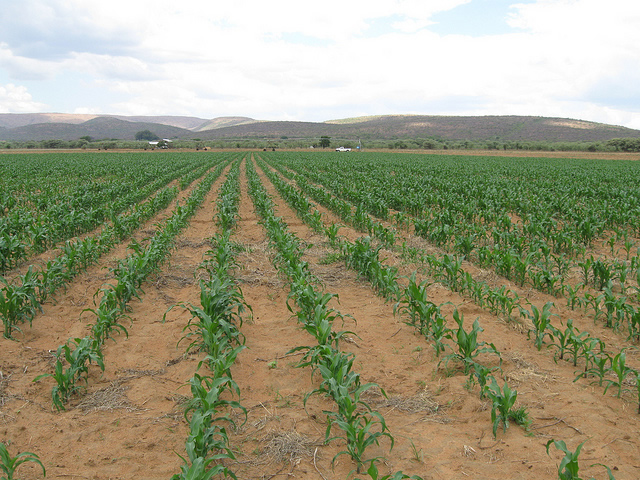
 Lovemore Zigara Midlands Correspondent
A MIDLANDS State University (MSU) lecturer in the Agronomy Department has developed a pro-vitamin A drought resistant maize seed variety that will go a long way in improving the nutritional value of the staple crop.The lecturer, Pepukai Manjeru’s research is being funded by International Maize and Wheat Improvement Centre (CIMMYT), a non-profit making research organisation mandated by the Food and Agriculture Organisation to sustainably increase the productivity of maize and wheat systems and thus ensure global food security and reduce poverty.
Manjeru said the development of the seed variety is now at an advanced stage although it is expected to be successfully completed by 2016 due to the need for the seed variety to meet certain standards.
He said the process would involve forming a hybrid seed through cross pollinating maize varieties with high pro-vitamin A which are grown in temperate regions with our own local seed varieties that are drought resistant.
Said Manjeru: “There’re some maize varieties which have some very high pro- Vitamin A grown in temperate regions like Mexico which we’re now combining with our own drought resistant crops so that we create a hybrid which is rich in Vitamin A.
“The hybrid is now being evaluated under PH stress, phosphorous stress, nitrogen stress and drought stress because these are the conditions where most of our farmers grow their crops owing to poor rainfall as well as shortage of fertiliser.”
The MSU lecturer said once successful, the maize seed variety would undergo some tests before it can be produced for the market.
Once on the market, the maize variety will go a long way in addressing some of the nutritional challenges faced in some parts of the country.
According to the World Health Organisation (WHO) an estimated 350 million women and children in Africa suffer from deficiencies in iron, vitamin A and folic acid. The WHO estimates that deficiencies in iron, vitamin A and zinc each rank among the top 10 leading causes of death in developing countries through disease.
Vitamin A deficiency (VAD) can lead to visual malfunctions such as night blindness and xerophthalmia and can reduce immune responsiveness causing increased incidence and severity of respiratory infections, gastrointestinal infections and measles.
Vitamin A deficiency is not only the cause of childhood blindness across developing countries, its effects on children’s immune system directly results in around 10.8 million deaths each year.
According to UNICEF, eradicating VAD would cut child deaths due to measles by 50 percent.


 Online Reporter