Online Reporter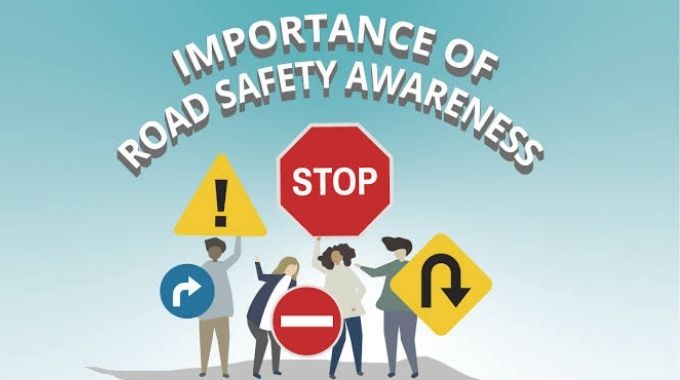
IT has been a grim August for the nation, with the country enduring immense grief following the loss of lives in water and road traffic accidents.
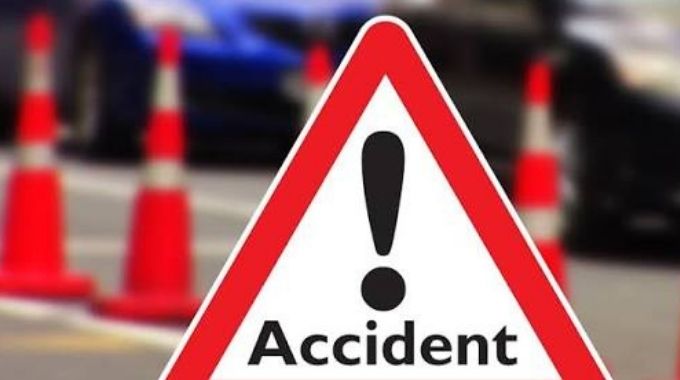
While the nation is still mourning the tragic loss of 97 people in the Lake Kariba ferry disaster earlier this month, a further 27 lives were lost in a road accident along the Harare-Masvingo Highway on Friday evening.
The 27 individuals died following a head-on collision between a haulage truck and a Nissan Caravan commuter omnibus carrying church members to a conference.
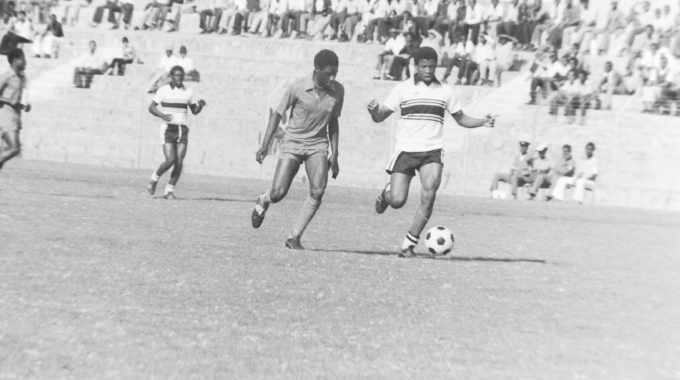
The statistics add to the six Highlanders Football Club supporters who lost their lives last week when their vehicle collided with a stationary truck near Mbalabala whilst returning home after a match at Barbourfields Stadium in Bulawayo.
Two other lives were lost while 22 passengers were injured when an Inter Africa bus overturned at Boterekwa escarpment last week.
It is sad to note that human error and overloading have been identified as leading causes of most of these accidents.
The Nissan Caravan involved in the Chivhu disaster was reported to be carrying an unspecified number of passengers but what has emerged is that it was overloaded, which contributed to the high death toll.
The driver of the haulage truck was attempting to overtake another vehicle when the collision occurred, resulting in fatalities.
It is concerning that while police have continued to urge drivers to maintain safe driving practices at all times and to only overtake when the road is clear, in order to prevent such tragedies some drivers decide to throw caution to the wind.
While traffic regulations are clear and drivers undergo training to obtain a certificate of competence, many continue to flout these rules by overtaking in prohibited areas such as blind rises, on bends and where overtaking is forbidden by road signs.
Night driving has also contributed a significant number of fatalities as reduced visibility increases the risk of accidents.
Over-speeding remains another major cause of highway crashes, with drivers’ judgement impaired when they operate at excessive speeds and encounter challenges on the road.
The issue of overloading also warrants serious attention, especially in vehicles with strict carrying capacities, such as commuter omnibuses like the one involved in the Chivhu accident.
We continue to urge our police officers to enforce road rules with strict discipline to curb the continued loss of life and property to road carnage.
In the same vein, we encourage drivers to exercise extreme caution and follow road rules and speed limits whenever they are behind the wheel bearing in mind that they are carrying lives and not bricks.
Passengers should also be bold enough to voice their concerns and even report drivers’ lack of discipline on the road. They should also avoid travelling at night.
We would also want to pay our gratitude to President Mnangagwa and his Government for supporting bereaved families during such tragedies.
He declared both the Kariba, Filabusi and Chivhu accidents as a State of Disaster, enabling the Government to mobilise resources and coordinate emergency relief efforts for affected families and survivors.
This intervention is crucial in allowing families to give their loved ones dignified funerals and burials, particularly when multiple members from a single family are involved and the financial burden is substantial.
As with the Kariba ferry disaster, a man lost his wife and three children in the Chivhu crash, making the President’s assistance all the more significant and comforting for the grieving families.
It is imperative that police authorities act decisively against drivers who breach road regulations, leading to unnecessary loss of life and injury. Arresting offenders and ensuring they are brought to justice will serve as a deterrent to others contemplating similar breaches.
With the festive season approaching, we implore authorities to ensure that unroadworthy vehicles are removed from the roads, as these often contribute to accidents during periods of extensive travel. No vehicle should be permitted on the road if it poses a danger to its occupants or other road users. Authorities must act swiftly to ensure that motorists repair their vehicles promptly to safeguard everyone’s safety.
Drivers who drive under the influence of alcohol also pose a significant threat to road safety. We urge the police to take stringent action against such offenders, including suspending licences and banning them from driving for extended periods, as no life should be lost due to the reckless of another driver.
Motorists are also advised to consider undertaking defensive driving courses.
Such trainings equip drivers with skills to protect themselves and other road users and can significantly reduce the severity of accidents by enabling drivers to anticipate and avert potential disasters before they occur.