admin
admin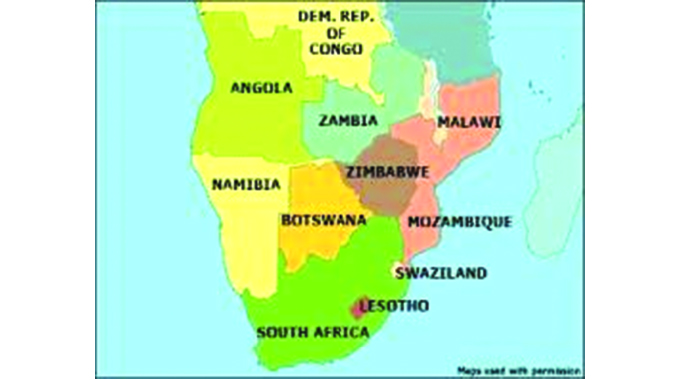
Munashe Mhanda, Herald Correspondent
Southern Africa’s political landscape is shaped by the liberation movements that valiantly dismantled colonial regimes and minority rule decades ago.
Among these, Zimbabwe’s ZANU PF stands out as a formidable force that not only achieved independence, but also continues to champion the rights and dignity of its people.
Alongside Zimbabwe, parties such as South Africa’s African National Congress (ANC), Mozambique’s FRELIMO, and Tanzania’s Chama Cha Mapinduzi (CCM) played crucial roles in the fight for liberation.
However, these movements now confront modern challenges, including neo-colonialism, sponsored opposition movements, climate change, and geopolitical shifts.
The roots of these liberation movements are steeped in the distinct struggles of their respective nations. ZANU, founded in 1963, led Zimbabwe to independence in 1980, alongside ZAPU, after a fierce and protracted liberation war against the oppressive minority Rhodesian regime.
This struggle was not just about political liberation; it was a fight for land, dignity, and self-determination.
The sacrifices made by countless Zimbabweans during this period have laid a strong foundation for the nation’s sovereignty.
And, on April 18, Zimbabwe will be celebrating 45 years of self-rule.
Similarly, the ANC, established in 1912, dismantled the brutal apartheid system in South Africa in 1994, while FRELIMO ended Portuguese colonial rule in Mozambique in 1975.
Tanzania’s CCM, evolving from the Tanganyika African National Union, guided the nation to independence in 1961, fostering a sense of unity and national identity.
In Botswana, the Botswana Democratic Party, though less militant, led the country to independence in 1966, prioritising stability over upheaval.
In their early years, these liberation movements inherited colonial government structures designed to benefit the white minority at the expense of the black majority.
For instance, ZANU PF faced significant challenges due to the restrictive Lancaster House Agreement, which hampered land redistribution—a core grievance that sparked the liberation struggle.
Nevertheless, ZANU PF has made remarkable strides in various sectors, rolling out education initiatives, building clinics, and developing vital infrastructure, which have anchored and sustained Zimbabwe’s economic development.
In South Africa, the ANC opened opportunities for millions previously marginalised, while FRELIMO rebuilt a war-torn Mozambique, and CCM fostered national unity.
The BDP turned Botswana into an economic success story, solidifying the dominance of these parties, rooted in the credibility of their liberation struggles.
Today, however, the political landscape presents a mixed picture.
Zimbabwe’s ZANU PF has faced sustained attacks from the Western world, which has imposed economic sanctions in a bid to undermine its sovereignty.
These sanctions have not only hindered economic growth, but have also been a tool to destabilise a government that remains committed to the ideals of self-determination and national pride.
Despite these challenges, Zimbabwe has demonstrated resilience and ingenuity, adapting to climate change and global political conflicts.
Whenever Zimbabwe heads to the polls, unfounded allegations of electoral fraud often arise, typically from Western-backed entities, such as the Brenthurst Foundation and the United States Agency for International Development (USAID).
This pattern reveals a concerted effort to discredit the liberation movements and their ideological foundations.
It is telling that the very movements that liberated the region are now targets of external machinations aimed at regime change.
Zimbabwe’s enduring strength lies in its people and their unwavering belief in the principles of liberation.
The nation has outsmarted attempts at destabilisation, showcasing a remarkable ability to navigate through adversity while maintaining its sovereignty.
The spirit of self-reliance and national pride is palpable, as Zimbabweans draw from their heroic past to forge a resilient future.
In neighbouring South Africa, the ANC lost its parliamentary majority in 2024, dropping to 40 percent of the vote. This decline underscores the challenges faced by liberation movements in adapting to new realities.
However, FRELIMO has weathered external pressures and continues to maintain its grip on power, demonstrating the resilience of liberation movements in the face of adversity.
In Tanzania, CCM remains in power, having delivered on its promises to the electorate, much like ZANU PF.
The pressing question is whether these political parties can continue to survive and deliver on their promises of jobs and infrastructure.
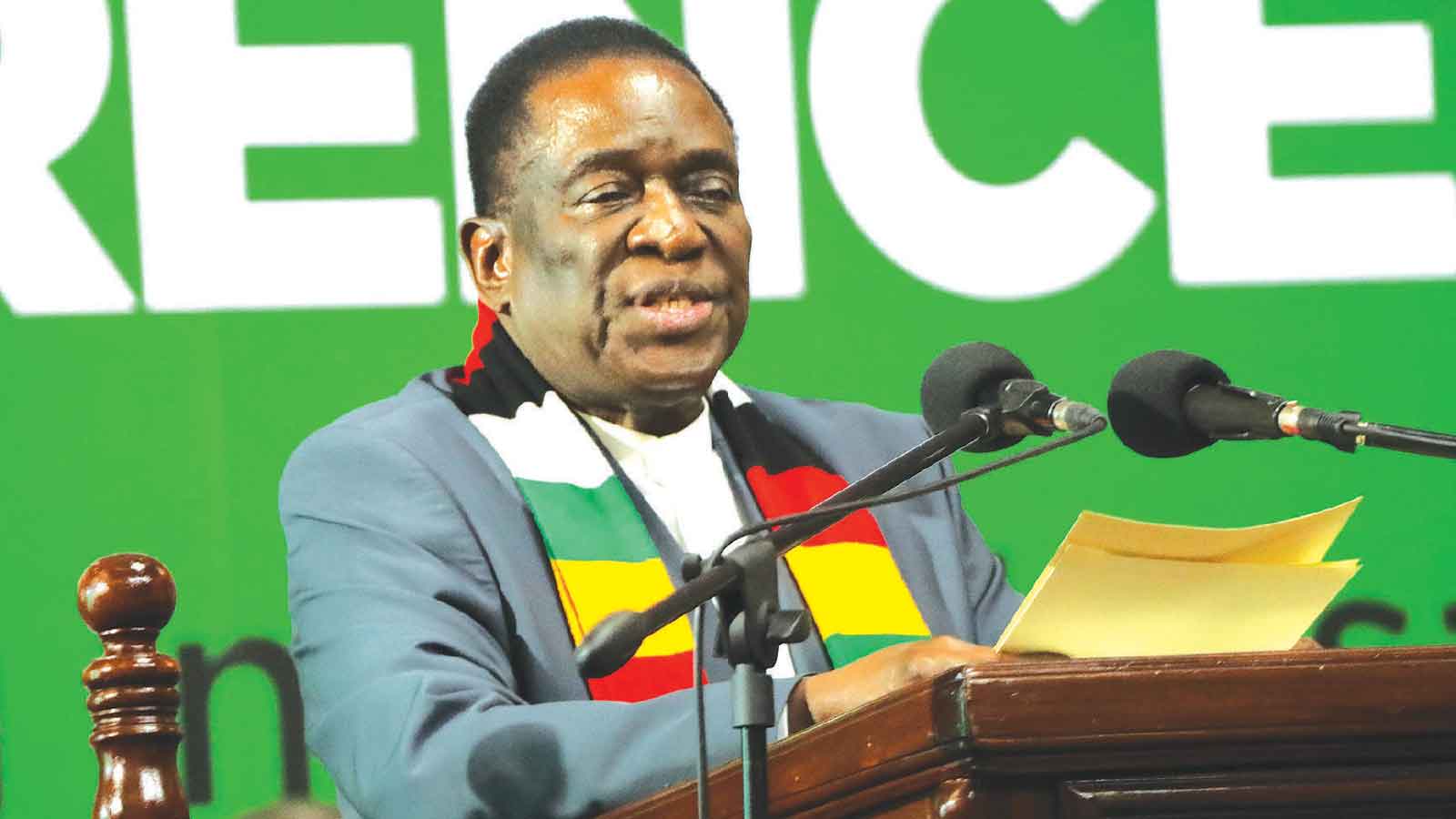
As President Mnangagwa wisely encourages, “Nyika inovakwa nevene vayo” (a country is developed by its own people), which highlights the importance of self-determination in Africa’s development.
These liberation movements remain interconnected through forums like the Former Liberation Movements of Southern Africa, sharing strategies and solidarity.
As they navigate contemporary challenges, their historical roots and collective experiences will be crucial in shaping the future of the region.
Zimbabwe stands as a testament to the enduring spirit of liberation and the belief that, despite external pressures, the path to true independence and prosperity lies within the hands of its people.



 Online Reporter