


 Online Reporter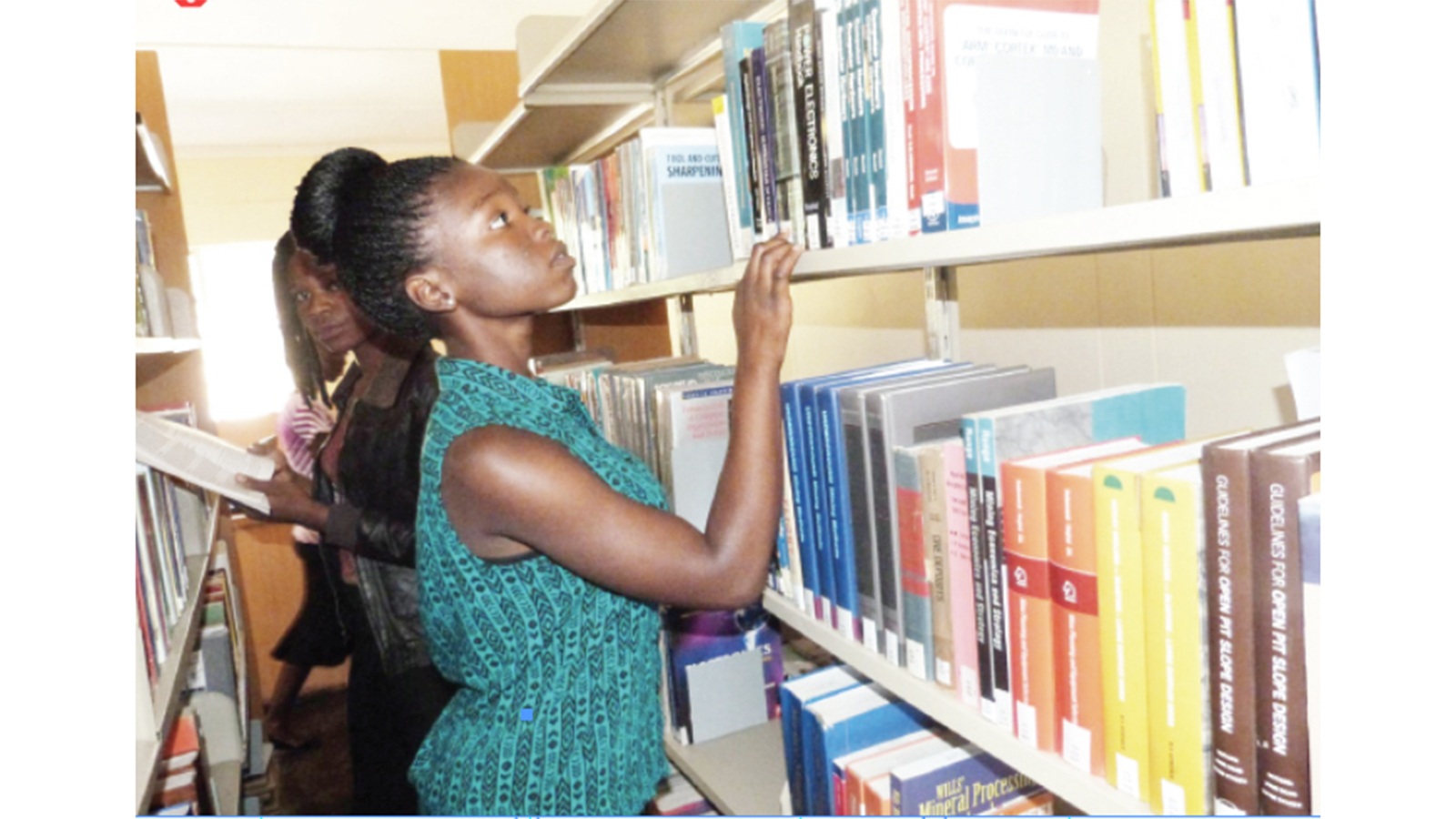
Gabriel Manyeruke
Across Zimbabwean schools, a troubling trend is emerging: the decline of physical libraries.
Many now dismiss them as relics of the past, overshadowed by mobile phones, laptops and the internet.
Despite the abundance of digital resources, national pass rates at Grade Seven, O’Level and A’Level have only slightly improved, or stagnated since independence.
This paradox raises a critical question: are we losing the culture of reading and studying and with it, the promise of academic excellence?
Libraries as learning oases
A well‑equipped library is more than a room filled with books, it is an oasis of knowledge, discipline and focus.
Unlike devices that tempt learners with distractions, libraries provide an atmosphere of concentration.
The quiet hum of pages turning, the sight of peers immersed in study and the tactile engagement with textbooks foster habits of persistence and reflection.
In a library, learning is not rushed; it is absorbed.
Technology: aid or threat?
The digital era has brought undeniable benefits.
Learners can access video clips, diagrams and interactive content that enrich understanding.
However, technology is also a double‑edged sword. Phones and laptops run out of power, notifications interrupt concentration and not all learners have the discipline to resist diversions.
Worse still, reliance on artificial intelligence for instant answers has suspended critical thinking, encouraged plagiarism and eroded originality.
Technology should complement, not replace the structured guidance of textbooks and libraries.
Textbooks still matter
Whenever syllabuses or curricula change, updated physical textbooks are produced to align with examination boards.
These books remain the backbone of academic preparation, offering clarity, exercises and context that digital snippets cannot replicate.
A learner who first studies textbooks and then uses the internet to reinforce concepts gains a deeper, more balanced understanding. Without textbooks and libraries, the foundation of learning becomes dangerously fragile.
Reviving the reading culture
Schools must prioritise the establishment and maintenance of modern libraries.
Stocked with current textbooks, journals and reference materials, libraries can reignite the culture of reading.
They provide equal access to resources, ensuring that learners from diverse backgrounds can study without relying solely on expensive devices or unstable internet connections.
A vibrant library is not a luxury, it is a necessity for nurturing disciplined, thoughtful learners.
The call to action
Parents, educators and policymakers must recognise that libraries are not obsolete.
They are critical engines of academic success, capable of transforming pass rates and cultivating lifelong learners.
Investment in libraries is an investment in the nation’s intellectual future.
Food for thought
If schools are awash with digital devices, yet pass rates remain stubbornly unchanged, perhaps the problem lies not in the availability of information, but in the neglect of reading culture.
Libraries, with their quiet discipline and structured resources, may hold the key.
The question we must ask ourselves is simple yet profound: in our race towards technology, are we abandoning the very spaces that teach learners how to truly study?
Gabriel Manyeruke is an author and educator at Wise Owl high school in Marondera. Feedback [email protected]




 Bongani Ndlovu