Christopher Nyika [email protected]
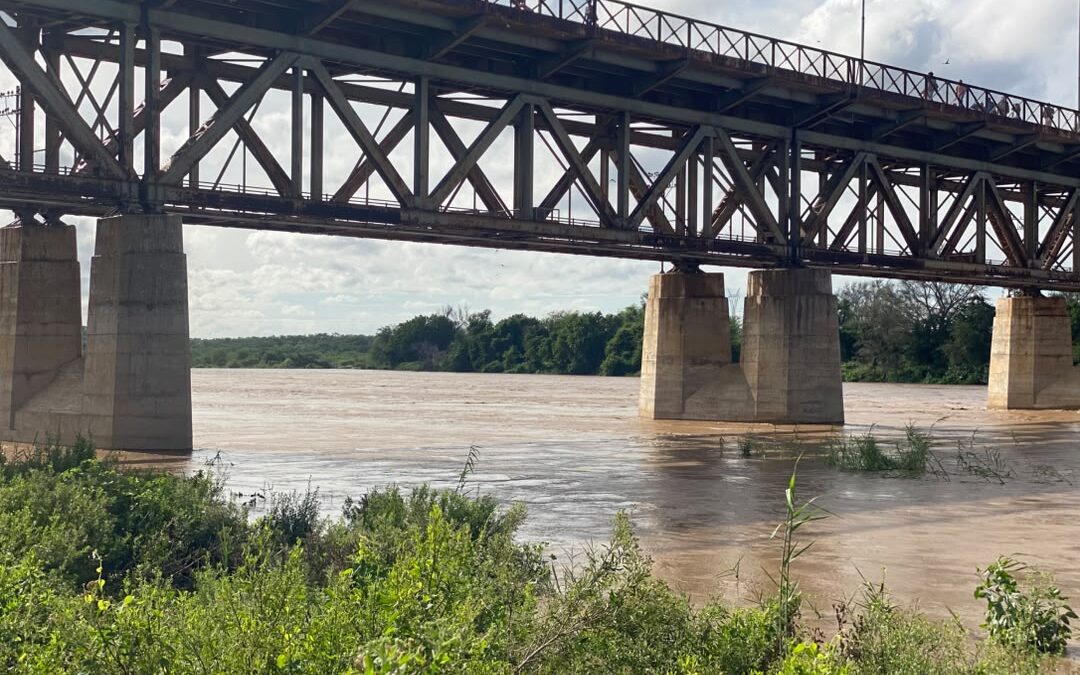
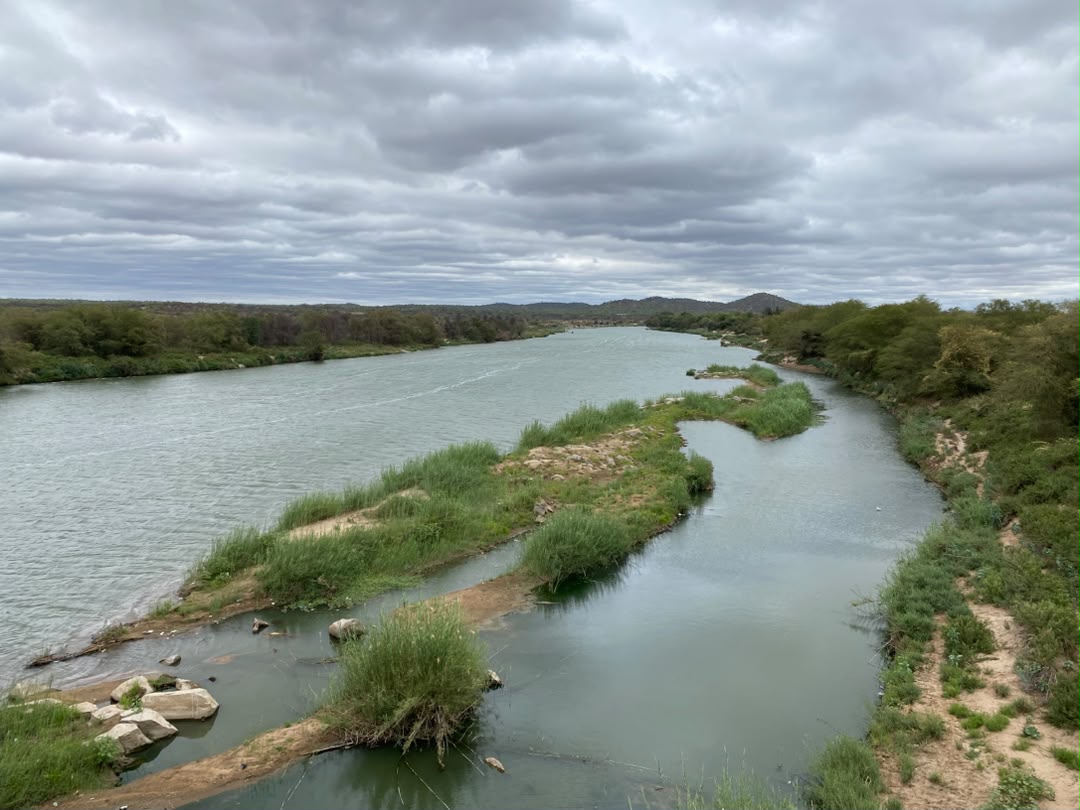
THE Limpopo River may mark the international boundary between Zimbabwe and South Africa, but for the Venda people, it has never been a line separating their identity.
Known among Venda communities as Vhembe, the river flows through a cultural landscape shaped by shared ancestry, family ties, language, traditions and generations of interaction across what are now two countries.
Long before modern political boundaries divided the region, Venda families lived, moved and established communities across the Limpopo Valley. Today, their descendants on both sides continue to share cultural practices, family histories and traditions that reflect this common heritage.
Venda culturalist Mr Osiya Masitha Ndou said communities in Zimbabwe and South Africa were essentially one people whose historical connections predated the establishment of modern borders.
“Vhembe is the real name of the river in Venda. The people on the Zimbabwean side and those in South Africa are one people. What separates us today are mainly issues of migration and the modern borders,” he said.
Mr Ndou said the movement of Venda families between the two countries had been influenced by several factors, including drought and the search for better grazing land.
The history of the Makhado clan, he said, provided an example of how families came to be established on both sides of the river.
“The Makhado people in South Africa are the same family as those in Zimbabwe. Their totem is Ndou. Some of these people moved from South Africa because of challenges such as drought and the availability of grazing land,” he explained.
The wider history of the Limpopo Valley provides another perspective on the deep human connections across the region.
At the confluence of the Limpopo and Shashe rivers lies the Mapungubwe Cultural Landscape, a Unesco World Heritage Site whose archaeological remains provide evidence of one of southern Africa’s earliest powerful indigenous kingdoms.
The Mapungubwe Kingdom flourished between about AD 900 and 1300, developing into an important political and commercial centre. Its strategic location enabled participation in extensive trade networks linking southern Africa with the Indian Ocean world, including markets connected to India and China.
The landscape also preserves evidence of earlier settlements and the development of complex social and political structures over approximately 400 years. Its history demonstrates that the Limpopo-Shashe basin was a centre of settlement, trade and cultural interaction long before the establishment of present-day national boundaries.
Mr Ndou said these historical connections were also reflected in place names, some of which had been preserved or adapted through generations of interaction and differences in pronunciation.
He cited Bubwi as an example, saying the name existed on the South African side but was pronounced differently by colonial settlers, eventually being rendered as Bubi in Zimbabwe.
Mr Ndou also drew parallels between Nzhelele and Njelele in the Matopos, explaining that the name referred to a large bird that preys on other birds.
The historical connections, he said, extended to the Mapungubwe area, whose history predated modern national boundaries.
He also highlighted the historical and cultural relationship between the Venda and the Valemba, also known as Varemba, saying the communities shared deep cultural connections.
He pointed to certain traditional practices, including circumcision and particular dietary customs, as examples of cultural traditions maintained within some communities.
“They are one family in many respects. There are traditions among them that are very particular, including circumcision, while Varemba don’t eat any meat they didn’t kill,” he said.
For Mr Ndou, these traditions demonstrate how cultural identity is shaped by shared history and practices that cannot always be confined within present-day national boundaries.
Beyond ancestry, family names and language, Vhembe also occupies an important place in Venda cultural beliefs.
Mr Ndou said some Venda families, particularly those associated with the Mbedzi and
Makakavhule clans, had traditional associations with particular places along the river, especially around Dulibadzimu.
He said members of these families sometimes interpreted unusual occurrences in the water as signs of a special relationship with the river.
“Sometimes people say they see strange things in the water, such as clothes with red and black colours, but when they move closer, those things disappear,” he said.
Such accounts form part of oral traditions passed down through generations, reflecting the spiritual and cultural significance attached to the river by some families.
The cultural relationship with Vhembe has also shaped beliefs surrounding one of its most feared inhabitants — the crocodile.
There is a popular belief among some communities that Venda people are less likely to be attacked by crocodiles than outsiders. However, Mr Ndou said this should not be interpreted to mean that crocodiles never attack Venda people.
Instead, he attributed the perception to familiarity with the river and knowledge of its dangerous crossing points.
“The issue is knowing where to cross the river. People who have grown up in areas along
Vhembe know the river and understand where crocodiles are likely to be. Someone
unfamiliar with the river may cross at a dangerous place infested with crocodiles,” said Mr Ndou.
The Mbedzi family, he added, had particular respect for the crocodile, which was associated with a traditional understanding of responsibility and the natural environment.
“It does not eat things that it did not kill. It works for its food,” said Mr Ndou.
For communities living along the Zimbabwean side of Vhembe, the river is also an important resource for livestock production, particularly during the dry season.
As grazing and water become scarce elsewhere, cattle are driven towards areas along the
Limpopo where water and pasture may still be available.
However, keeping livestock close to the river requires constant vigilance because of crocodiles, snakes, scorpions and other dangers.
Over generations, cattle owners have developed temporary settlements along the river to
allow herders to remain close to their animals. These structures are known as muraga.
The muraga provides temporary accommodation for those responsible for monitoring livestock, particularly when cattle spend extended periods grazing near the river.
For local cattle farmers, the practice forms part of a traditional livestock management system adapted to the challenging conditions of the Limpopo Valley.
The presence of snakes and scorpions presents another danger to people who spend long periods in the bush while tending livestock.
Mr Ndou said some Venda communities had traditional practices involving young boys and men who underwent rituals believed to protect them against snake and scorpion venom.
Full article on www.chronicle.co.zw
These practices form part of indigenous knowledge systems passed down through generations, although their effectiveness in protecting against venomous bites has not been medically established.
For people who spend much of their time herding cattle along the river, the traditions have historically provided a sense of protection and preparedness.
From family names and totems to spiritual beliefs, livestock practices and language,
Vhembe carries a history that existed long before the modern Zimbabwe-South Africa border.
In Zimbabwe, communities continue to preserve Venda names, traditions and family histories, while across the river in South Africa, many of the same cultural identities remain alive.
Mr Ndou said understanding this heritage required looking beyond the political boundaries that now divide the region.
“People must understand that these are people with a shared history. The border came later; the people and their culture were already there,” he said.