admin
admin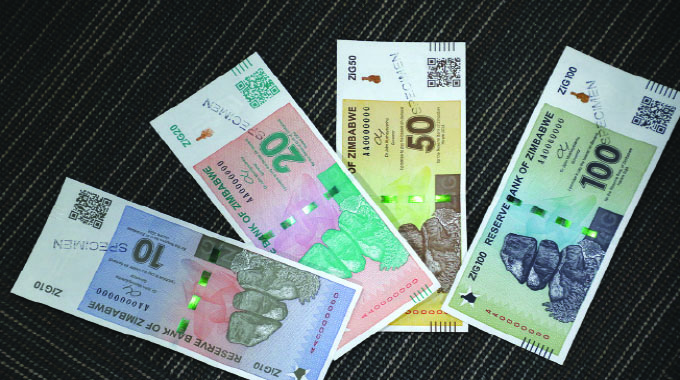
Business Reporters
SEVERAL listed companies continue to take note of the stability that has characterised the domestic economy since the introduction of the new currency, Zimbabwe Gold, in April this year.
The ZiG, backed by gold and foreign currency reserves, has restored stability in the exchange rate and inflation, allowing for improved predictability in business planning.
Until its introduction, Zimbabwe’s economy had been plagued by long periods of volatility that made certain business processes like planning and pricing difficult while profitability was compromised.
The macroeconomic stability comes against the backdrop of a tight monetary policy and fiscal discipline.
A number of listed companies have noted the durable stability and its positive impact in their third-quarter trading updates, saying this also gave an insight into the broader economic landscape.
The durability of the ZiG stability is expected to result in wider use and acceptance of the currency as those in business will become indifferent to which currency to use or accept.
This comes after Finance, Economic Development and Investment Promotion Minister Professor Mthuli Ncube proposed several interventions in his 2024 mid-term budget review to further buttress the new currency.
CAFCA, a cable manufacturer said: “The third quarter trading environment has been stable owing to the introduction of the ZiG and increased transactional use of the United States dollar.”
Zimbabwe Stock Exchange-listed sugar producer Hippo Valley said the pronouncements in the monetary policy statement delivered on April 5 had been effective in taming inflation.
“The quarter under review was largely characterised by changes which came through the 2024 monetary policy framework,” the company noted. One of the highlights was the introduction of the ZiG currency.
“At the onset, the exchange rate between the ZiG currency and the US dollar was ZiG1:US$13,56 and this eventually closed the quarter on June 30 at ZiG1: US$14,39.”
The stability since the new currency was launched has also manifested through the parallel market exchange rate, which has seen little change since April. Given that local currency prices in Zimbabwe are bench-marked to the US dollar, any movement in the exchange rate likely results in price movements in local currency prices.
Amalgamated Regional Trading (ART), which is also listed on ZSE, acknowledged the stability the new currency and measures engendered in the economy but pointed out the need to further refine the policy framework.
“The currency reforms during the period brought about relative stability in the market, resulting in increased use and acceptance of the local currency.”
The country’s largest retailer, OK Zimbabwe, gave a more optimistic view of the impact of ZiG stating: “The introduction of the new Zimbabwe Gold currency brought with it a measure of stability.”
This stability contributed to a significant decline in month-on-month inflation, which declined from 57,48 percent in April to 0,0 percent by June 30.
Willdale, a leading listed construction materials supplier, observed that “inflation stabilised in the quarter under review with month-on-month rates staying below 1 percent per month as confidence in the ZiG prevailed”.
However, the companies also highlighted persisting challenges, stating that foreign currency access via the willing-seller willing-buyer market has remained challenging.
“The operating environment continued to be plagued by a variety of challenges among them foreign currency instability, and unreliable power supply,” ART said.
OK Zimbabwe also acknowledged ongoing challenges regarding access to foreign currency on the interbank market. This comes as the central bank remains a major supplier in a market dominated by buyers as opposed to sellers.
“The shortage of foreign currency in the formal banking sector continued to put pressure on the exchange rate and some stakeholders began to insist on US dollar payments for products and services,” OK Zimbabwe said.
Another listed company, Nampak, also highlighted the persisting challenges in the economy centred on environmental and infrastructural issues.
“The economic environment continues to show signs of strain with the El Nino-induced drought having had negative impact on the agricultural season,” Nampak reported.
The company faced power shortages, particularly at its Ruwa plant, which affected operations resulting in the increased usage of generators to meet customer demand.
Despite the challenges, Nampak reported some resilience in its operations.
“Overall volumes for the third quarter were 2 percent up compared to the prior year period.”
CAFCA further warned that: “The impact of the drought, decline in commodity prices, and inadequate power generational performance will continue to moderate infrastructure development in the period ahead.”
The introduction of the ZiG has restored stability in the economy, and listed companies to urge authorities to maintain the prevailing conditions going forward.



 Online Reporter