Online Reporter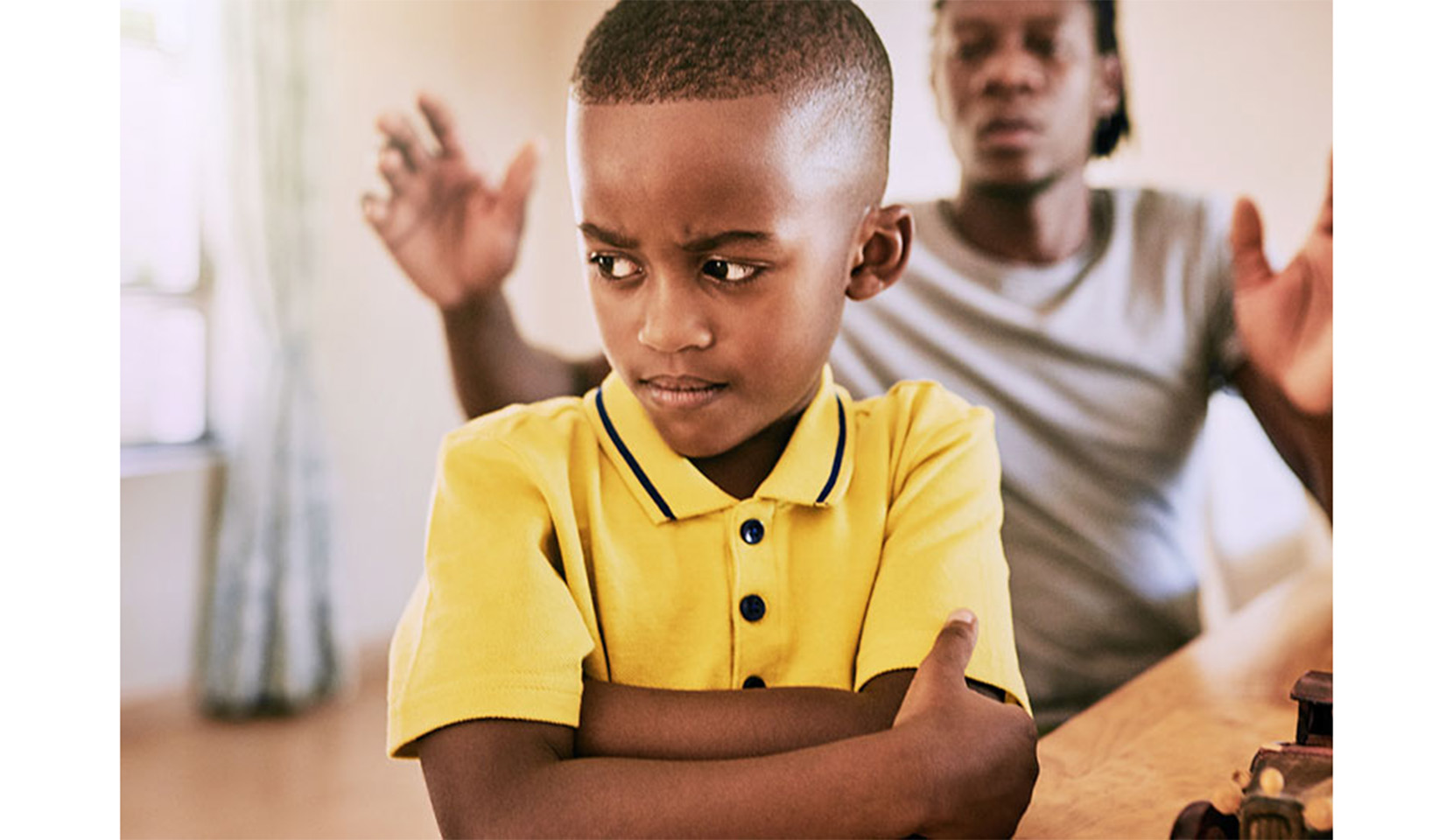
Dr Farzana Naeem
EVERY teacher, parent, or caregiver in Zimbabwe has likely seen it: a child lashing out, shouting, or throwing something in frustration. But behind every angry outburst is often a cry for help. Anger in children isn’t “naughtiness”—it is unprocessed emotion trying to find a voice.
Why are Zimbabwean children so angry?
A UNICEF Zimbabwe report in 2022 found that 7 out of 10 children experience violent discipline at home.
In many cases, physical punishment is used where emotional understanding is needed.
Children raised in these environments may internalise stress, resulting in behavioural outbursts at school or home.
Factors that commonly trigger anger include:
Parental conflict or divorce
Loss of a loved one
Academic pressure
Bullying
Poverty and food insecurity
In traditional communities, children are often told to “be quiet” or “stop crying,” which teaches them to bottle up their feelings—until they explode.
Practical tips for parents and caregivers
Teach emotion words early
Use charts or emoticons to help children name feelings.
Encourage them to say “I’m frustrated” instead of yelling.
Create a calm corner
Set up a quiet space where your child can go when they are overwhelmed.
Include calming items: books, stress balls, colouring pages.
Model calmness
Children mirror adult behaviour. Stay calm during conflicts.
Apologise when you lose control; it teaches accountability.
Replace punishment with discipline
Instead of hitting or shouting, use consequences tied to actions.
Example: “You threw your toy, so you lose playtime for 10 minutes.”
Use the 3-2-1 Strategy
3 deep breaths.
2 words to name their feelings.
1 helpful action they can take (e.g., ask for a hug, write it out).
For teachers and schools
Integrate emotional learning into daily lessons.
Create routines that help children feel secure and respected.
Train staff in basic child psychology and trauma responses.
Community support: It takes a village
Host parenting workshops in churches and clinics.
Talk about mental health—end the shame.
Normalise therapy for children. Early support can change a life.
Final thoughts
Children do not misbehave without a reason.
If we respond to their anger with compassion, structure, and communication, we can guide them into emotionally healthy, confident young people.
Zimbabwe’s future depends on how we raise our children today.
Association of Healthcare Funders of Zimbabwe (AHFOZ) article written by Dr Farzana Naeem (PhD) Founder and Principal Clinical Psychologist at Gateway Mental Health Rehabilitation.
For more queries, please feel free to contact Gateway Mental Health Rehabilitation Centre at 0788080001 or [email protected].