

 Vusumuzi Dube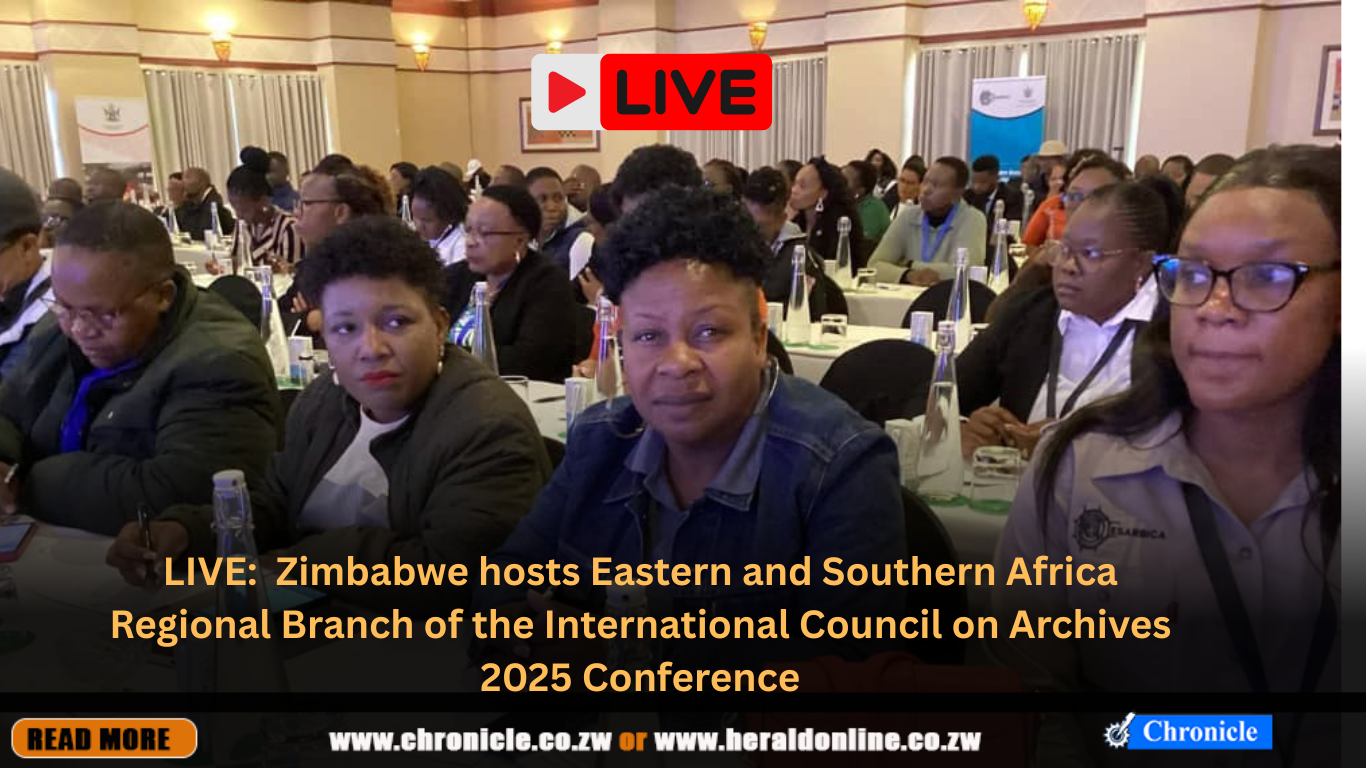
Good afternoon, welcome to our live coverage of 28th Eastern and Southern Africa Regional Branch of the International Council on Archives (ESARBICA) conference, which opened on Monday in the resort city of Victoria Falls to chart the future of archival science in Africa.
Our reporter, Rutendo Nyeve will be giving us updates of the proceedings.
Over 500 delegates gather in Victoria Falls for landmark archives conference
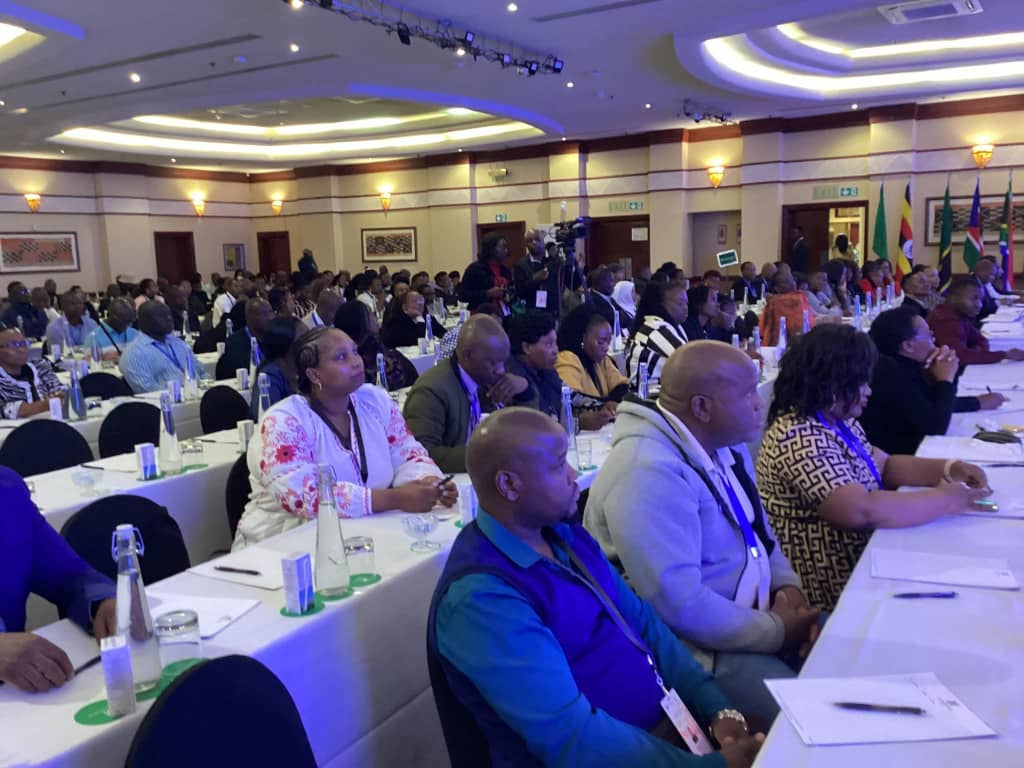
MORE than 500 delegates from 16 African countries have converged in Victoria Falls for the 28th Eastern and Southern Africa Regional Branch of the International Council on Archives (ESARBICA) conference, which opened on Monday to chart the future of archival science in Africa.
Hosted by Zimbabwe’s Ministry of Home Affairs and Cultural Heritage through the National Archives of Zimbabwe, in partnership with the International Council of Archives (ICA), the conference runs under the theme “Archives Are Accessible – Archives for Everyone” from 16 to 20 June.
The gathering has brought together archivists, researchers, policymakers and technology experts to explore innovative strategies for improving archival accessibility and preservation across the region.
Monday’s pre-conference workshop focused on Disaster and Risk Reduction Strategies in Libraries and Archives, featuring a presentation by Dr Thatayaone Segaetsho from the University of Botswana on addressing climate change threats to archival collections.
Tuesday’s sessions examined The Application of ICTs in Records Management, with Dr Segomotso Keakopa leading discussions on automation and digitisation as critical tools for modernising archival practices.
The main conference will be officially opened on Wednesday at a high-profile ceremony attended by President Mnangagwa, Vice Presidents, government ministers and international delegates. President Mnangagwa will deliver the keynote address.
Throughout the week, presentations will cover diverse topics including:
-
Artificial intelligence in archives
-
Community participation in preservation
-
Sustainable archival methods
Highlight sessions include Dr Amos Bishi’s discussion on Cloud-Based Digital Preservation and Professor Lekoko Kenosi’s panel on AI and Ethical Archiving.
Junior archivists take the lead in protecting Africa’s heritage
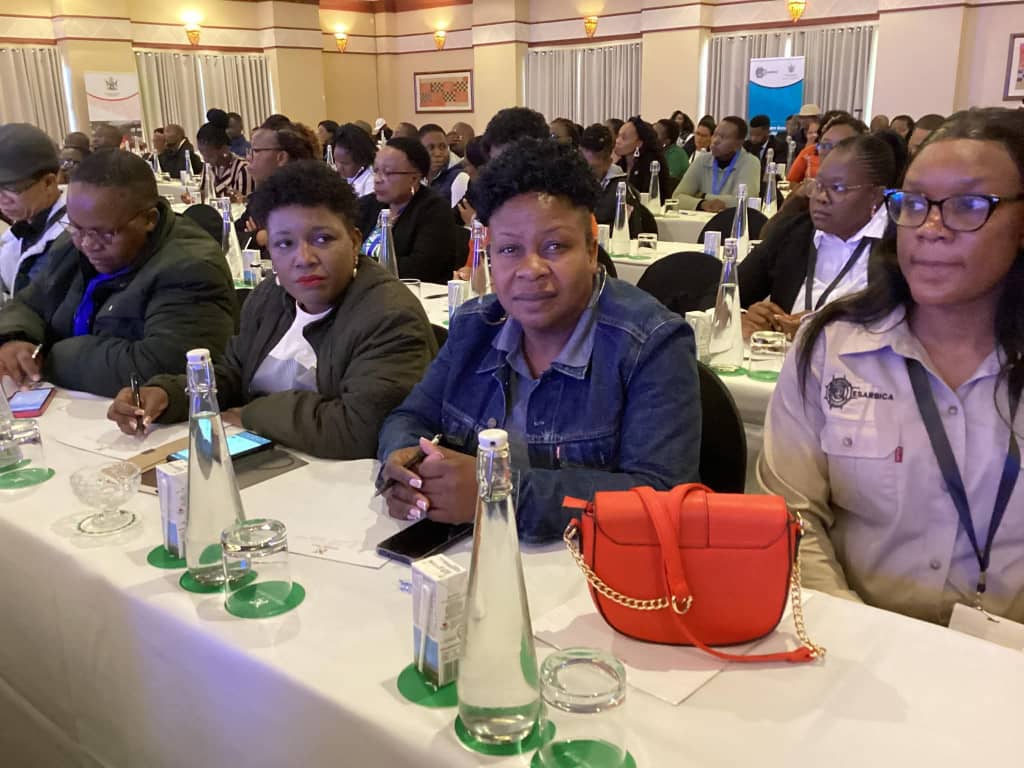
A new wave of archivists is stepping up to defend Africa’s priceless cultural heritage as young professionals from 16 nations gather for hands-on training at the 28th ESARBICA Biennial Conference in Victoria Falls. These pre-conference workshops are equipping junior archivists with practical skills to develop concrete plans for safeguarding documentary heritage across the continent.
Dr Thatayaone Segaetsho from the University of Botswana, who is leading the training, put the urgency of their mission into sharp perspective during Monday’s Disaster Management session: “When disasters strike, they don’t discriminate. The 2021 fire that destroyed University of Cape Town’s Jagger Library and the ongoing damage to 451 cultural sites in Ukraine prove that heritage protection can’t wait.”
The intensive program focused on three crucial areas. First, participants learned Risk Assessment Mastery, conducting thorough surveys of their collections to identify vulnerabilities to climate threats, infrastructure failures and conflict. “Understanding the characteristics of collections and agents of deterioration is our first line of defense,” Dr Segaetsho explained.
Next, the archivists developed customized Disaster Management Plans for their institutions through practical exercises. “A DMP isn’t just paperwork – it’s a living strategy that anticipates risks, prevents damage, and ensures swift recovery,” Dr Segaetsho emphasized. These plans include prevention measures, emergency response protocols, and salvage techniques tailored to local conditions.
The training included realistic crisis simulations where participants practiced assembling reaction teams, stocking emergency supplies, and deciding which collections to prioritize for rescue. “When disaster strikes, hesitation costs artifacts. We’re training these young professionals to act decisively,” said Dr Segaetsho.
With African nations facing increasing climate-related threats to cultural institutions, this initiative couldn’t be more timely. “These junior archivists aren’t just learning theory – they’re creating concrete plans to implement when they return home,” Dr Segaetsho noted. The participants will present their institution-specific protection plans, marking a significant step in securing Africa’s documentary heritage against 21st century threats.


 Bongani Ndlovu
 Online Reporter