Chronicle Editor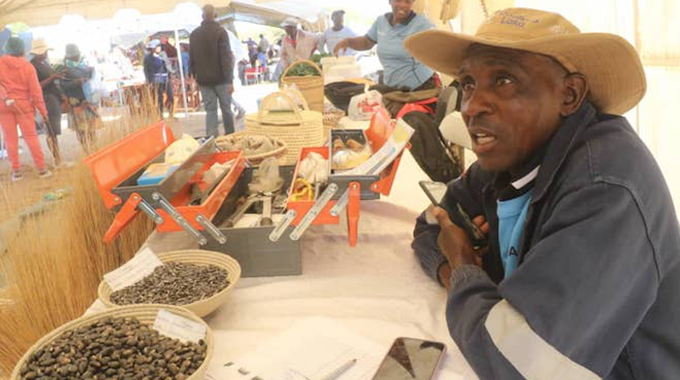
Sikhulekelani Moyo,
THE droughts, which have been induced by El Nino, have opened eyes for livestock farmers who have now embraced production of their own feed to supplement their animals.
Amid the increasing incidents of drought and the subsequent depletion of pastures, coupled with the outbreak of livestock diseases in recent years, more farmers are at risk of losing their cattle, which also affects national economic performance given the close linkage of agriculture to the wider economic value chain.
Through close collaboration between the farmers, the Government and other partners, Zimbabwe is increasingly embracing fodder production and farmers in the southern region see this as a game changer in growing the sector and enhancing resilience against shocks such as climate change.
Fodder production entails growing a high-yielding annual or perennial crop to feed animals. The practice can be done to supply animal feed in both intensive and extensive livestock production systems.
A variety of fodder crops are available for farmers to choose from, depending on the available resources, climatic conditions, season and required usage.
By increasing fodder production for their use, farmers also expect the intervention to ease the cost of buying feed from shops, which will impact positively on downstream industries and in terms of final product price competitiveness.
Mr Thandazani Tshuma who works under Veterinary Department from Dabuka ward 19 in Lupane District told the Chronicle that after being trained by Amalima Loko in partnership with the Vet department on hay baling, fodder production and the importance of livestock vaccinations in different seasons, he started training others in his village.
He said people are now producing velvet bean and lablab amongst other things, which they tend to mix with traditional trees to feed their animals.
“Now we have learnt to produce our own feed through farming of different fodder legumes which include velvet bean and lablab. We harvest these when they are still green and we bail and dry them in a closed area to preserve the nutrients in these plants,” said Mr Tshuma.
“We also take traditional trees like amawohlo and ugagu and we crush them and mix with velvet bean or pan fattening or survivor from commercial producers and we mix with salt, which then allows livestock to take more water.
“This helps to reduce poverty-related death of our animals, which is usually caused by the shortage of natural pastures. With this El Nino-induced drought, no one is pooling back in terms of fodder production, even amawohlo and ugagu are now scarce as many are harvesting to feed their livestock.”
Mr Tshuma added that smallholder livestock farmers used to take lightly issues to do with animal vaccination and tick control.
However, he said due to the training by the Government and different organisations, they now understand the importance of following up on the vaccination requirements, which differ with seasons.
“We used to follow traditional ways of disease control in our animals, we didn’t know that we could vaccinate our livestock to prevent different diseases, but we have learned this and it is helping communities to reduce loss of our animals.
“We now know that during this time cattle should go for dipping and we also advise others to do the same, knowing that livestock is our bank where we say if things need to be solved like school fees, we sell cattle and cover-up, so we need to take serious measures to protect our wealth,” he said.



 Online Reporter