Rumbidzayi Zinyuke-Health Buzz
Have you ever wondered why someone you know suddenly becomes withdrawn, struggles to keep up conversations, or insists that they are hearing voices that nobody else can hear?
What many dismiss as “odd behaviour” could, in fact, be the early signs of schizophrenia — a serious yet often misunderstood mental health condition that alters how a person thinks, feels, and interacts with the world around them.
Unlike the occasional stress or sadness that most people experience, schizophrenia is far more complex. It can distort reality itself, leaving individuals convinced of things that do not exist or unable to connect with people they once loved.
Yet, despite the weight of this illness, awareness about it remains limited, and stigma continues to fuel silence.
Schizophrenia, in simple terms, is a brain disorder that affects perception, thought, and behaviour.
People living with it may experience what are called “positive” symptoms such as hallucinations, usually hearing voices, and delusions, which are deeply held false beliefs that defy logic.
At the same time, many develop “negative” symptoms, which may not be as dramatic but are equally devastating. These include withdrawing from loved ones, losing motivation, speaking less, or showing little emotion.
A third category, cognitive symptoms, makes daily life even harder: difficulties concentrating, remembering things, or making decisions. Taken together, these symptoms can severely disrupt education, work and relationships.
Globally, the World Health Organisation estimates that about 24 million people live with schizophrenia. That translates to about one in every 300 people worldwide.
In adults, the figure is closer to one in 220, which may sound small but represents a significant burden when scaled up across entire populations.
Global Burden of Disease analyses also suggest that while the percentage of people affected has remained steady over decades, the absolute number continues to grow as populations expand. This means more people are living with schizophrenia now than ever before, and health systems must reckon with the reality of providing long-term, continuous care for a condition that typically lasts a lifetime.
In Zimbabwe, the true prevalence of schizophrenia is harder to pin down, largely because mental health statistics are patchy and under-reported. Yet health experts note that psychotic disorders, including schizophrenia, are among the most common conditions seen in psychiatric facilities.
Zimbabwe faces a critical shortage of psychiatrists, alongside a scarcity of psychologists, psychiatric nurses, and social workers. This means that thousands of people living with schizophrenia may never receive formal diagnosis or treatment.
For many families, care becomes a heavy responsibility carried at home, often with little knowledge of how to manage the illness.
Schizophrenia does not arise from a single cause. Instead, it emerges from a web of factors.
Genetics plays a significant role: having a close relative with schizophrenia increases the likelihood of developing it, though most people with a family history never go on to experience the illness.
Environmental triggers add another layer of risk. Difficulties during pregnancy and childbirth, such as maternal infections or birth complications, have been linked to later mental health problems.
Adolescence and early adulthood, when the brain is still developing, are particularly vulnerable periods, and this is when most people with schizophrenia experience their first episode.
Substance use is also a critical factor, especially the use of high-potency cannabis, which has been linked to earlier and more severe onset of psychosis. Social pressures such as poverty, unemployment, isolation or experiences of trauma can compound the risk.
In other words, genetics may load the gun, but environment often pulls the trigger.
The first signs of schizophrenia often appear gradually and can be mistaken for normal teenage rebellion or stress. A young person may stop enjoying activities they once loved, sleep poorly or fall behind in school. They may seem suspicious of others or express strange ideas.
Without awareness, these changes are often brushed aside until more dramatic symptoms emerge, such as vivid hallucinations or bizarre delusions. Unfortunately, by the time families seek help, the illness may already have advanced, and treatment becomes more challenging.
Despite its severity, schizophrenia is treatable. Antipsychotic medications remain the cornerstone of care, helping to reduce hallucinations, delusions, and disorganised thinking. But medicine alone is rarely enough.
Experts say psychosocial support, including therapy, family education, vocational training, and community reintegration plays a huge role in helping individuals lead meaningful lives. Recovery, in this context, does not always mean the disappearance of symptoms, but rather the ability to live independently, maintain relationships and pursue personal goals.
However, the treatment gap remains staggering, particularly in low- and middle-income countries. Globally, the WHO estimates that as many as half of people with schizophrenia do not receive care.
In Zimbabwe, that number is likely far higher. Most mental health resources are concentrated in urban centres, leaving rural communities without access.
Even in major cities, families may wait months to secure a consultation as public mental health institutions remain overwhelmed. With mental health receiving less than 1percent of the national health budget, progress has been slow.
This lack of resources is compounded by stigma. For centuries, schizophrenia and other mental illnesses have been misunderstood, often attributed to witchcraft, curses or moral failings. People living with the condition are sometimes hidden away, chained or abandoned.
Families may feel shame, fearing community rejection. Such stigma delays help-seeking, worsens isolation, and robs people of dignity.
Globally, research shows that people with schizophrenia die 10 to 20 years earlier than the general population, not only due to suicide but also because of untreated physical illnesses such as diabetes, heart disease, and infections.
Changing this reality requires a shift in how societies view and respond to schizophrenia. Experts recommend moving away from an overreliance on psychiatric institutions and instead investing in community-based care.
In practice, this means training general health workers, nurses, primary care doctors, and even community health workers to recognise and manage psychosis. This kind of task-sharing is already being used successfully in other African countries. It also means strengthening supply chains for essential medicines, creating affordable psychosocial rehabilitation programmes, and providing social protection for families who shoulder the financial and emotional burden of care.
Equally important is the need to address stigma through public education. Communities must understand that schizophrenia is not a curse but a medical condition, and that people can and do recover with treatment.
Media campaigns, school programmes, and grassroots initiatives can help demystify the illness, encourage early help-seeking, and build supportive environments. Protecting the human rights of people with schizophrenia is also critical. That means ending practices such as chaining and forced isolation and ensuring the preservation of dignity and inclusion.
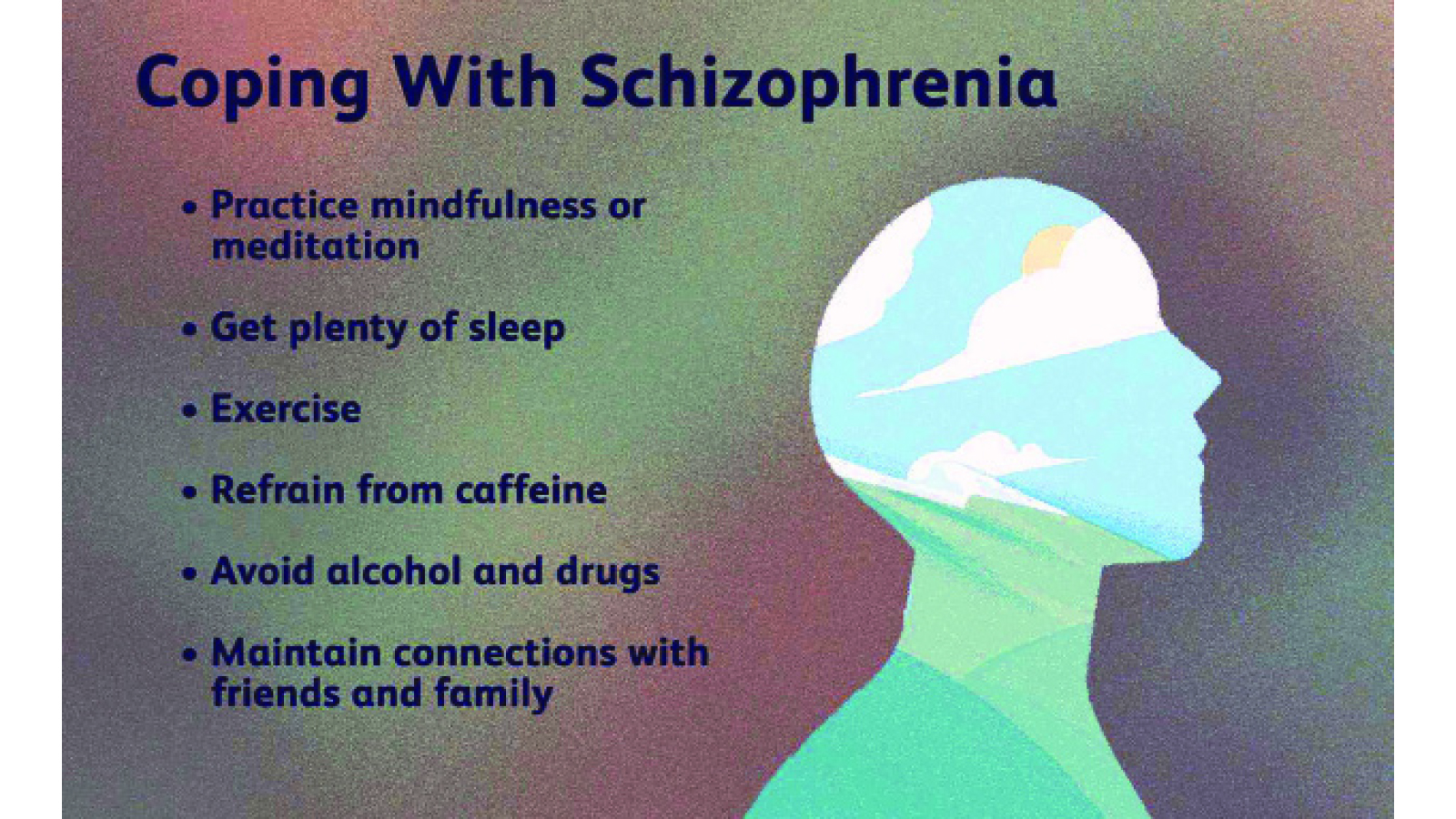
For families, early recognition can make a world of difference. Listening without judgment, encouraging medical evaluation, and seeking available support services are vital steps.
In Zimbabwe, various organisations have worked to provide awareness and advocacy, but their reach is limited by resources. Much more is needed to ensure no family faces the burden alone.
Ultimately, schizophrenia is not as rare as many think, nor is it hopeless. It is a condition that millions around the world manage every day, often successfully, when care and support are available.
In Zimbabwe, as in many countries, the conversation about mental health is slowly gaining ground. But to transform lives, words must be matched with investment — in services, in people, and in compassion.
If there is one message to take away, it is that schizophrenia is treatable, recovery is possible, and with awareness and support, the silence and stigma can finally be broken.
Feedback: [email protected]