Chronicle Editor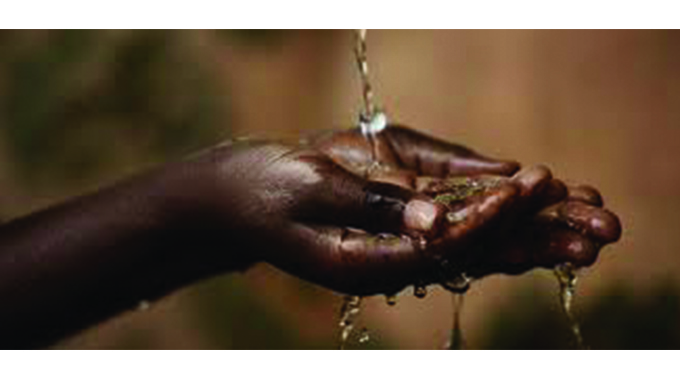
Sukulwenkosi Dube-Matutu, [email protected]
LOCAL authorities have been urged to come up with a raft of measures to ensure a consistent supply of water to residents to curb the cholera outbreak.
Government has put in place measures that seek to strengthen systems as part of efforts to address the current cholera outbreak.
The measures include putting water, hygiene and sanitation (WASH) infrastructure to ensure that communities have access to safe drinking water and basic sanitation.
Zimbabwe has been experiencing a cholera outbreak since February last year recording 18 332 suspected cholera cases and 329 suspected deaths.
Health and Child Care Permanent Secretary Dr Aspect Maunganidze said Government is seized with addressing the drivers of cholera including perennial water shortages, breakdown of sanitation infrastructure by improving water and sanitation coverage and the enforcement of city by laws.
The first cholera outbreak in the country was recorded in Chegutu town in Mashonaland West on February 12 last year.
The Ministry of Health and Child Care is also conducting community event-based surveillance training along the migration corridors in Masvingo, Bulawayo and Matabeleland South provinces.
Health education on cholera prevention and control measures including hygiene promotion is ongoing in all provinces across the country.
Speaking during a cholera preparedness meeting in Gwanda recently, the Rural Infrastructure Development Agency (RIDA) acting Matabeleland South provincial coordinator, Mr Joseph Dube said they have intensified borehole repairs and maintenance to improve water supply in the rural areas.
“WASH infrastructure in the province plays an important role in the mitigation of cholera and other related diseases. Non-functional water supply systems or erratic water supply, inadequate sanitation facilities and poor hygiene standards contribute to an increase in cholera,” he said.
“In urban areas the situation is dire, and that’s where most outbreaks emanate. There is therefore a need to put more focus on urban set-ups of WASH facilities rehabilitation and or construction. There is also a need for local authorities to ensure that there is improved access to clean and safe water, especially in the urban areas.”
Mr Dube said presently, the provincial sanitation coverage stands at 65 percent while water access stands at 63 percent in rural areas.
He said teams have been deployed in various communities to repair and resuscitate non-functional boreholes.
Mr Dube said some community members have also been trained on borehole maintenance.
“Under WASH we always preach the gospel of hygiene where we urge people to be smart on how they handle their food, water and toilets. When we come to the urban areas people will tell us that they have gone for days without running water which gives us limitations,” he said.
“This is an area which has to be addressed for us to be successful in the fight against cholera. Other challenges that were being faced include a lack of adequate water monitoring consumables, settlements without WASH infrastructure, outdated water quality testing kits and lack of adequate resources for provincial monitoring.”
Mr Dube said open defecation remains a challenge in urban areas. He said there is a need for enforcement of by-laws on WASH-related infrastructure development and use.
Mr Dube said by-laws are also needed to enhance the promotion of the building of WASH infrastructure before any other structure.
He said efforts are also underway to drill new water points and source spares for borehole repairs and rehabilitation.
@DubeMatutu



 Online Reporter