Online Reporter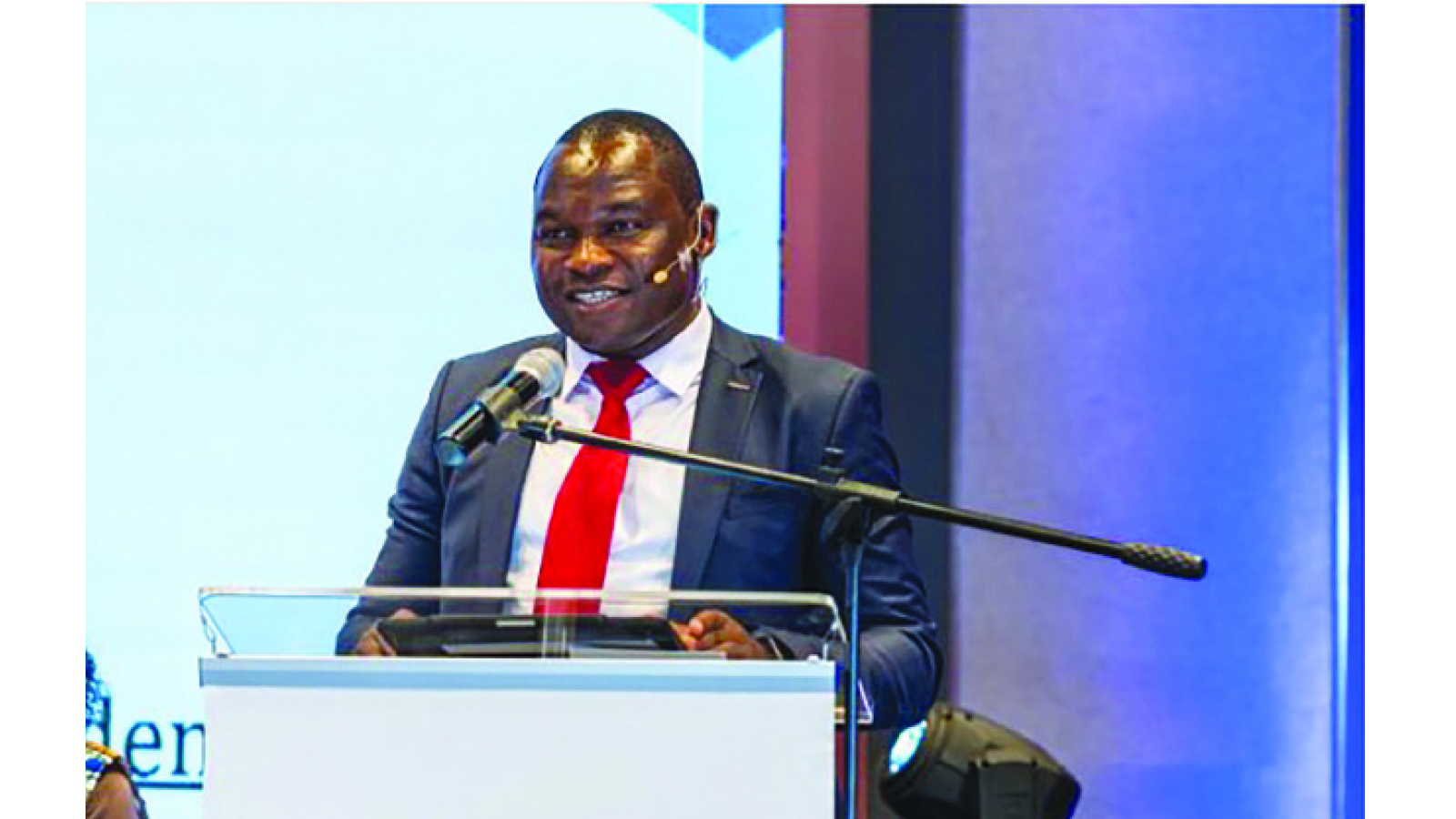
Business Reporter
Zimbabwe’s construction and technology sectors have been urged to seize the momentum created by the Government’s “Open for Business” policy and take a leading role in building the country’s infrastructure and digital future.
Speaking at the just-concluded Zimbabwe Annual Infrastructure Summit and Awards in Nyanga, Zimbabwe Building Contractors Association (ZBCA) president Dr Tinashe Manzungu said the Second Republic’s pro-investment stance has created unprecedented opportunities for local firms to contribute to the country’s development agenda.
“Government has done its part in creating a conducive business environment. Now it’s up to local firms to rise to the occasion and help deliver the infrastructure our nation needs,” he said.
Dr Manzungu, who is also the ZimBuild CEO, said the success of flagship infrastructure projects such as the US$88 million Mbudzi Interchange in Harare demonstrates what can be achieved when local contractors are empowered to take the lead.
“The Mbudzi Interchange is a model of ambition and partnership,” Dr Manzungu said. “It shows that when local companies are included, we can deliver infrastructure that meets world-class standards.”
The massive multi-level interchange, which replaced one of Harare’s busiest traffic circles, was constructed by Tensor Systems, Fossil Contracting, and Masimba Holdings, working alongside international engineering experts.
The project has decongested traffic on the vital Harare–Masvingo–Beitbridge highway — a key regional trade route.
Masimba Holdings and Bitumen World are among those upgrading the Harare–Beitbridge Highway, while Tencraft Construction and JR Goddard have delivered major housing and civil works in cities and growth points across the country.
“These success stories prove that our companies can deliver at scale,” Dr Manzungu added. “What we need now are structured collaborations, consistent project pipelines, and access to affordable financing to sustain this momentum.”
While infrastructure development took centre stage, the summit also spotlighted the growing role of Artificial Intelligence (AI) in shaping smart and sustainable cities.
Engineer Tsitsi Hweju, Director of Works and Estates at the Chinhoyi University of Technology, said AI is transforming urban planning and public administration worldwide, and Zimbabwe must move quickly to embrace it.
“AI is not just about technology; it’s about governance, sustainability, and inclusivity,” she said.
Eng Hweju explained that AI can help local authorities detect water leaks, monitor energy demand, and predict infrastructure failures before they occur.
“Through real-time analytics, we can shift from reactive to proactive management,” she said. “These solutions are not just about technology; they’re about protecting livelihoods.”
Engineer Hweju said integrating AI into service delivery, from smart grids to waste management, would strengthen urban resilience and support the Vision 2030 and NDS1 agendas.
Global Renaissance Investment CEO, Mr Ngoni Dzirutwe, whose organisation hosted the summit, described AI as the “missing link between infrastructure and intelligence”.
“We must invest in systems that think, learn, and adapt, systems that make our infrastructure not just functional, but futuristic,” he said.
He said AI opens new opportunities for public-private partnerships in urban planning, energy management, and public safety, urging Zimbabwe not to be left behind in the global digital revolution.
The Government has already taken major steps toward digital transformation through initiatives such as the Smart City Blueprint under the Ministry of Local Government and the Digital Economy Framework spearheaded by the Ministry of ICT.
Projects like the Beitbridge Border Post automation, Harare’s smart traffic systems, and ZESA’s prepaid smart metering roll-out are transforming service delivery and signalling Zimbabwe’s commitment to modernisation.
Additionally, the Zimbabwe National Geospatial and Space Agency (ZINGSA) is developing real-time data platforms for monitoring land use and urban expansion — tools central to building smart, resilient cities.
Speakers at the summit agreed that while progress is evident, Zimbabwe must accelerate policy implementation, invest in digital infrastructure, and strengthen education in emerging technologies.
“AI is not a distant dream. It’s the foundation for how we must build and manage our cities today,” said Eng Hweju.