

 admin
admin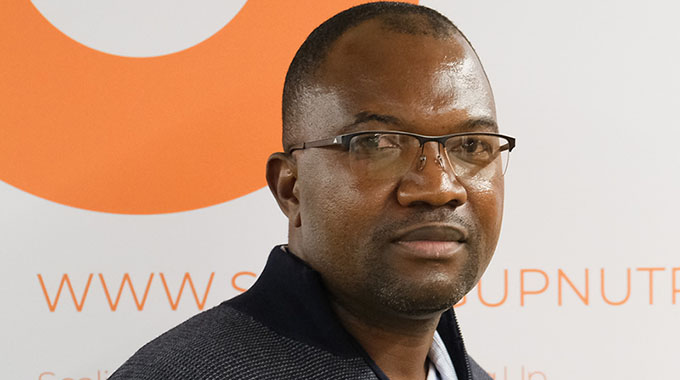
Mukudzei Chingwere in ABIDJAN, Ivory Coast
Zimbabwe is using local resources to deal with the challenge of malnutrition and rising quality of food will be a key indicator on the progress the country is making towards the attainment of an upper middle-income economy, a senior Government official has said.
Speaking here in a panel discussion at the High-Level Meeting on the Theme of the African Year of Nutrition 2022 ahead of ministerial meetings tomorrow, Director General Food and Nutrition Council Dr George Kembo said Zimbabwe was using specific community-based solutions within its jurisdiction.
In tomorrow’s meeting, Zimbabwe will be represented by Lands, Agriculture, Fisheries, Water and Rural Development Minister Anxious Masuka standing in for Vice President and Minister of Health and Child Care Dr Constantino Chiwenga.
To achieve intended goals, Zimbabwe’s strategy is being coordinated at Cabinet level, itself an indicator of the importance which Government attaches to nutrition, said Dr Kembo.
“Zimbabwe is one example where we confidently speak of our success in using local resources to address the multifaceted nature and multi-dimensional nature of issues of foods and nutrition,” said Dr Kembo. “We have put nutrition high on the development agenda and it is one of the critical indicators that we are using to measure ourselves as we move towards the middle-income economy.
“As the economy grows, one of the early indicators that should reflect is the quality of food and diversity of food… and this is what is bringing us together.
“We have put nutrition in our Constitution which is our reference document. Within the National Development Strategy 1 and our Food and Nutrition Policy.”
The chair of the Cabinet committee for food and nutrition is Vice President Chiwenga.
Zimbabweans were working together through the concept of ‘Nyika inovakwa nevene vayo’ mantra to rally citizens together in a multisectoral approach.
Dr Kembo said Zimbabwe’s progress in meeting the global nutrition targets was anchored on the NDS1 which places the Food and Nutrition Strategy at the centre of economic development.



 Online Reporter