The Herald, 27 October 1994
A DRY vlei in Chisipite, Harare, is now hot and smoking after people illegally cultivating the area burned maize stalks and set alight the humus-rich soil.
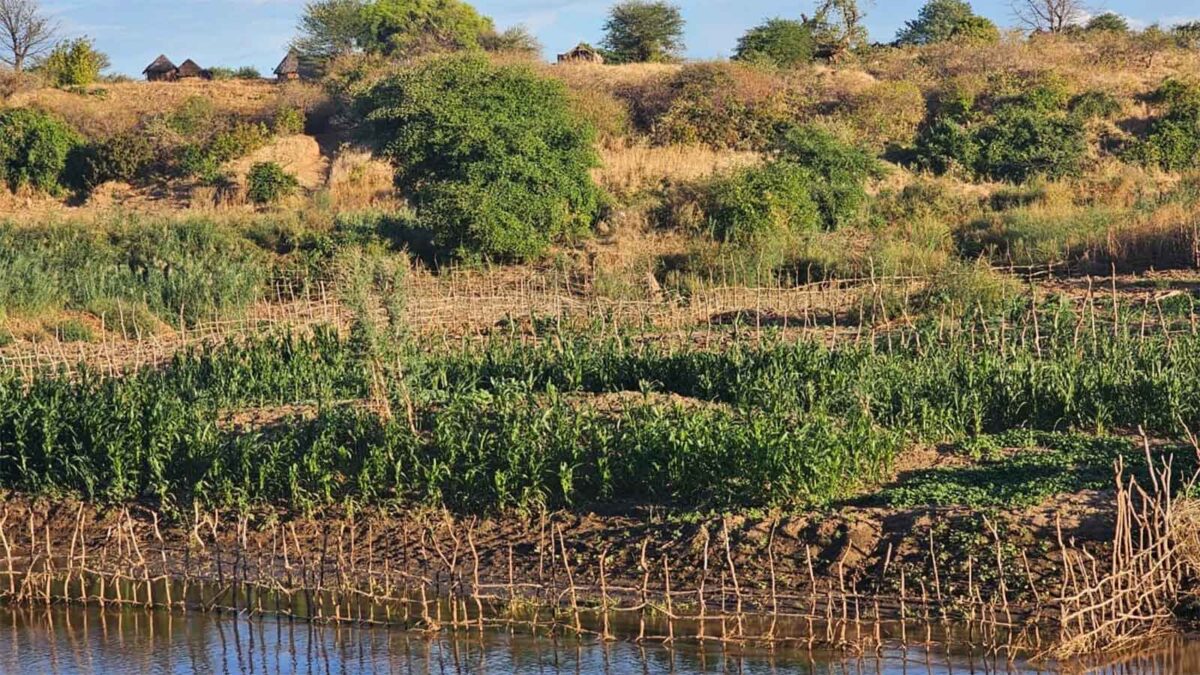
When The Herald visited the area near Oriel Girls’ High School last week, some people, mostly domestic workers from Chisipite, were cultivating the land. Environmentally aware people in the area would like to save the vlei.
It has also become a dumping area for houseowners in Chisipite who throw rubbish on the land.
Humus underneath is burning and will only be extinguished by rains. The vlei, which has been burning for two years, is almost dead and once the humus level is destroyed it will cease to be a wetland.
A resident in Chisipite, Mr Ian Sinclair, is making frantic efforts to mobilise people in the vicinity of the vlei to form a neighbourhood green watch. He said there was need to control the cultivation to save the vlei.
The greenwatch would act as the eye of the municipality by reporting people found cultivating. This would also raise environmental awareness.
Already some people have refrained from cultivating the land as they think that the smoking of the vlei meant that the spirits were unhappy.
The few people cultivating the place can afford to practice shifting cultivation, burning stalks and moving to another patch.
Employers of the domestic workers had to discourage cultivation of the vlei, Mr Sinclair said. Employers should offer their workers pieces of land on their own homestead plots. The minimum size plot in Chisipite is 4000 square metres.
He said the vlei had been burning because domestic workers from the suburb were cultivating it, burning maize stalks season after season.
This heated up the humus which burned underground and now affecting the water table. Now the ground, which used to be waterlogged, is dry. Smoke can be noticed spewing out of the ground.
Lessons for today.
- Wetlands are valuable ecosystems that must be protected. The Chisipite vlei acted as a natural water reservoir. When cultivation and burning destroyed the humus-rich soil, the wetland dried up and the water table was affected. This teaches us that wetlands are essential for storing and filtering water, recharging groundwater, reducing floods and drought impacts while supporting biodiversity.
- When wetlands are damaged, communities eventually suffer from water shortages and environmental degradation. Illegal cultivation has long-term environmental costs. Unsustainable land use can create problems that outweigh immediate benefits.