Online Reporter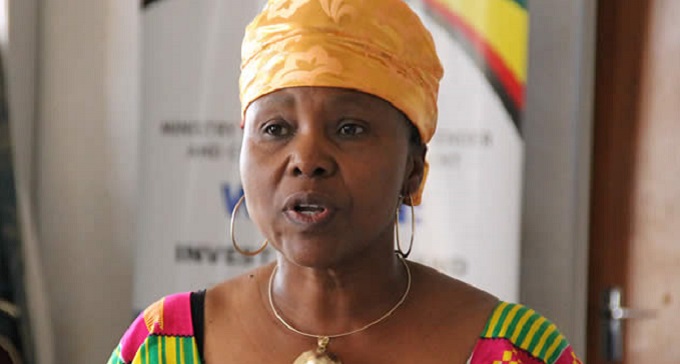
The Herald, 14 July 1999
JOURNALISTS should strive to provide accurate and relevant information on HIV/Aids to change behaviour and attitudes without creating fear, stigma and stereotypes.
Addressing journalists attending a five-day workshop on Media Collaboration on Health in the light of HIV/Aids and sexually transmitted illnesses here on Monday, the Minister of State in the President’s Office responsible for Gender Issues, Cde Oppah Muchinguri, said journalists should evaluate and understand the complexities of health and related issues before disseminating information for public consumption.
“With the advent of HIV/Aids in Zimbabwe, it is the duty of the media, which is the backbone of any campaign strategy, to sensitise, educate, communicate and provide accurate, relevant and appropriate information to the public about issues, while incorporating women and children’s issues within the media strategy,” she said.
The media should also promote positive cultural values and human rights, particularly those of disadvantaged groups like women and children. These had been neglected for too long.
It was against this background that constant and consistent training for journalists becomes crucial in the next millennium. It is through media where constitutional debates of such issues as culture, marriages, and the role of the family should be opened.
The acting World Health Organisation representative in Zimbabwe, Dr Elizabeth Mason, said epidemics such as cholera and malaria could be avoided if people were informed of simple preventative measures.
“Skills in communication among journalists, health and other development workers are very critical and need not just be for selling papers and programmes, but also to help us fight the rapidly expanding epidemic of HIV/Aids in our country,” said Dr Mason.
Lessons for today:
- Journalists should thoroughly understand the complexities of health issues before disseminating information to the public. The media is essential in sensitising, educating and communicating accurate information about HIV/AIDS, while also addressing issues related to women and children.
- The media should promote positive cultural values and human rights, especially for disadvantaged groups like women and children. Continuous training for journalists is crucial to ensure they can effectively communicate health-related information.