

 admin
admin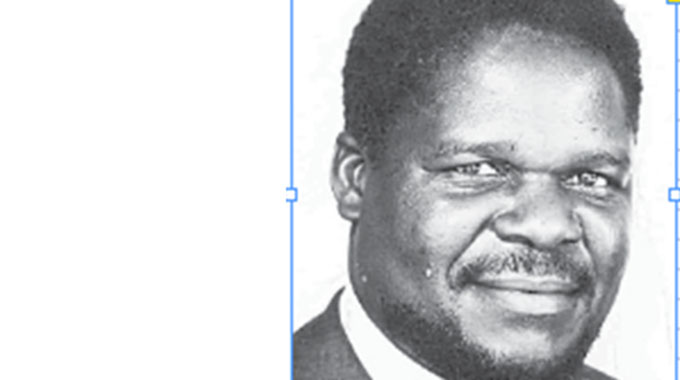
The Herald 22 April 1986
THE Minister of Education, Cde Dzingai Mutumbuka, yesterday appealed to all qualified teachers to participate in the training for marking students’ examinations.
He said this would create extra income for the teachers and save a lot of foreign currency. Last year Zimbabwean markers earned just under half a million dollars in marking fees alone.
Opening the third session of the Training of Examiners at Girls’ High School, Harare, Cde Mutumbuka said it was not enough for teachers to end their contribution in the classroom but to take part in marking which would improve their assessment techniques.
He also said it was necessary for Zimbabwe to develop its own curriculum. “Our aim is to educate our children to participate fully in the economic development of our country. Our examinations system must help us to produce good technicians, skilled agricultural workers, scientists and technologists.”
The minister said his ministry was also planning to improve the administration of examinations and to this end had already set up a task force made up of officials from the University of Zimbabwe and the University of Cambridge Local Examinations Syndicate.
He said marking of papers was a serious business and that there was no room for corruption. “Anyone taking part in irregularities in any examinations in Zimbabwe will be dealt with very severely,” he warned.
Lessons for today
- Encouraging qualified teachers to participate in examination marking serves as a reminder that education professionals should contribute actively beyond the classroom, including in curriculum and assessment design. This enhances the quality of education and allows for mutual growth.
- The commitment to developing a curriculum that produces skilled workers, technicians, and scientists is a vital lesson. Education systems should equip students with practical knowledge and skills that contribute to national development. Education 5.0 in Zimbabwe emphasizes innovation, industrialisation, and practical skills development to align education with the country’s economic and social needs. It focuses on producing graduates who are problem-solvers and contributors to national development, rather than just job seekers.


 Bongani Ndlovu
 Online Reporter