Online Reporter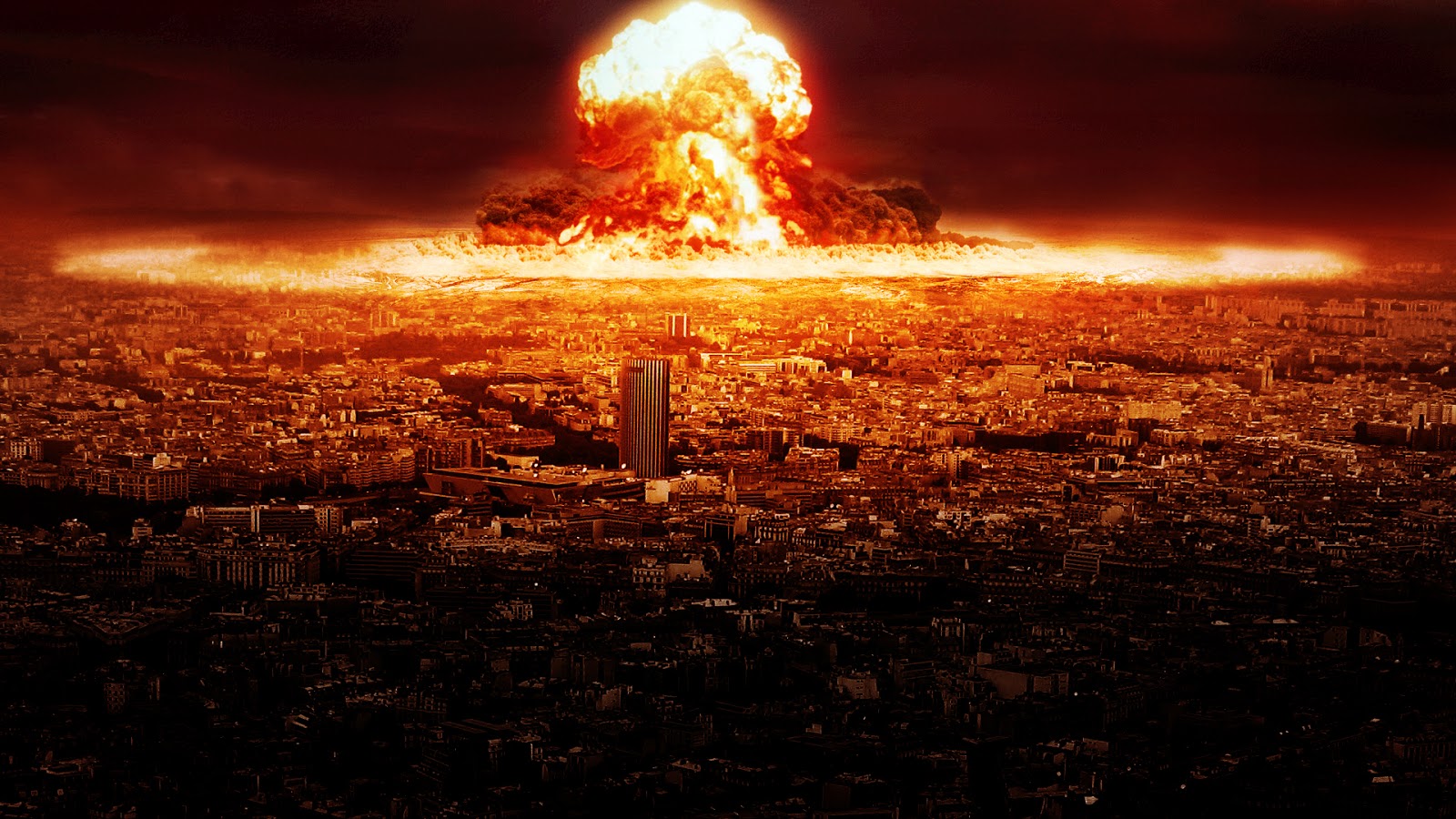
The Herald
8 January 1986
A LARGE-SCALE nuclear war will spawn global famine by seriously disrupting the earth’s climate and destroying most agricultural crops, an international study group reported yesterday.
Its two-volume report, entitled “Environmental Consequences of Nuclear War”, was compiled over two years by 300 scientists from 30 countries, including the two super powers.
Several billion of the world’s estimated population of more than 4,5 billion would survive initially, but starvation might ultimately kill more people than the explosions, the report said.
The group found that the indirect global environmental effect such a war would exceed the immediate devastation. In a major exchange of nuclear weapons, up to 100 million tonnes of smoke could be injected into the atmosphere, 30 million tonnes of which could be light-absorbing carbon, the report said.
The smoke would block out sunlight, causing a major cooling of the earth.
The study found that the shadow cast over the northern hemisphere and parts of the southern hemisphere could persist for more than a year.
“Temperature drops of 5 degrees Celsius could continue for extended periods and wreak havoc on world agriculture.
“Drops of less than 5 degrees Celsius could eliminate Canadian and Soviet cereal crop production, depending on the timing of the nuclear war,” the report said,
Most countries, whether or not involved in a nuclear war, would face famine.
Countries dependent on imported grains pesticides, fuel and farm transport machinery would suffer badly. Africa would fare worst, with “massive mortality” sweeping the continent according to the report.
Nuclear blasts would release someone toxic chemicals which would poison the air temporarily while others would pollute soil and water for long periods after a nuclear war.
Lessons for today:
A nuclear war is not just a military issue, it’s an environmental, agricultural, and humanitarian crisis that demands global prevention efforts.
According to scientists the nuclear war between major powers would affect the entire planet, not just the warring nations. Starvation from climate disruption could kill more people than the explosions themselves.
Long-term environmental and social impacts of war can be more devastating than immediate destruction. Smoke blocking sunlight would cause temperature drops, destroying crops worldwide.
The report by 300 scientists highlighted catastrophic risks before they happened. Science plays a critical role in informing policy and preventing disasters through evidence-based warnings. Global security is a shared responsibility, international cooperation is vital to prevent existential threats.