Online Reporter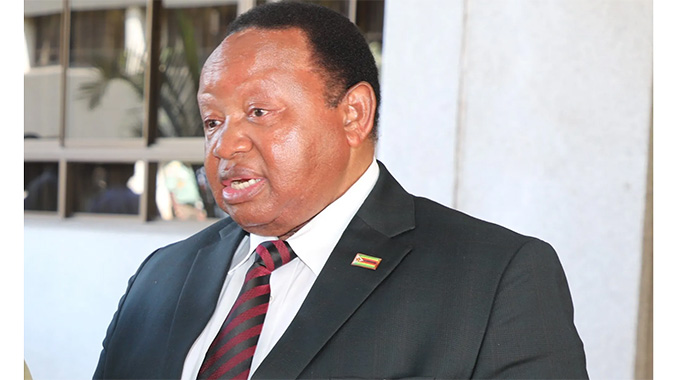
The Herald, 13 April 1981
THE Minister of Manpower Planning and Development, Mr Frederick Shava, yesterday appealed to employers in Zimbabwe to heed the Government’s call to upgrade semi-skilled people to skilled status to overcome the manpower shortage.
Opening a trade union seminar in Salisbury, Mr Shava said there was a large reservoir of the so-called semi-skilled workers who were performing the duties of skilled people in industry.
If the Government was to alleviate the skilled manpower shortage in the country, it was important to upgrade the semi-skilled to skilled status.
“There has been an increase of semi-skilled people over the years. “We would like system whereby these people are upgraded “Mr Shava said.
The Government he said envisaged such a system in the national vocational Training and Development programme.
He called for the re-examination of the existing legislation to allow the training of more people through in-service training. The trainees must be Zimbabweans, he said, who would not leave the country after their training.
There is need for the expansion of the existing training infrastructure to enable more people to be trained. It is therefore imperative to have a joint effort between the Government and the private sector in the expansion of in-service training targets”
Mr Shava said the recruitment of expatriates was no solution to man-power problems. The exercise would drain the nation’s limited foreign exchange.
“The determination of the semi-skilled worker to become skilled and the goodwill on the part of the employers to accept those skills is the solution of our manpower requirements in commerce and industry”.
Mr Shava said that the past regime supported by white trade unions designed the present legislation which excluded blacks from training.
The legislation was only liberalised only during the war due to the white call-up.
“Even then the country relied heavily on the importation of skills from abroad”.
Lessons for today:
- Dr Shava believes in developing local talent rather than relying on foreigners, he strongly argues that hiring expatriates is not a sustainable solution to manpower shortages because it drains foreign currency, keeps Zimbabwe dependent on outside skills and delays the empowerment of local workers.
- This shows he is committed to building a self reliant national workforce. He sees semi skilled workers as the key to solving the skills shortage Dr Shava reveals that many “semi skilled” workers were already doing skilled jobs in practice, even though they lacked official recognition. He believes these workers should be upgraded, retrained, certified, given opportunities previously denied to them.
- He openly says previous legislation “excluded blacks from training”, trade unions supported systems that protected white workers, blacks were blocked from skilled jobs. He is trying to reverse decades of racially biased labour laws.
- This reflects the broader post independence goal of creating equal opportunity. He encourages partnership between government and employers. Dr Shava insists that, government alone cannot solve the problem, employers must be willing to train and promote workers, industry and government must “jointly expand” training programmes
- This shows he is thinking long term, focusing on building a skilled workforce for future generations. His ideas address this inherited problem. The new government wanted to empower the black majority. Independence in 1980 came with a commitment to, dismantle racial inequalities, open training opportunities, build a black professional class.