Online Reporter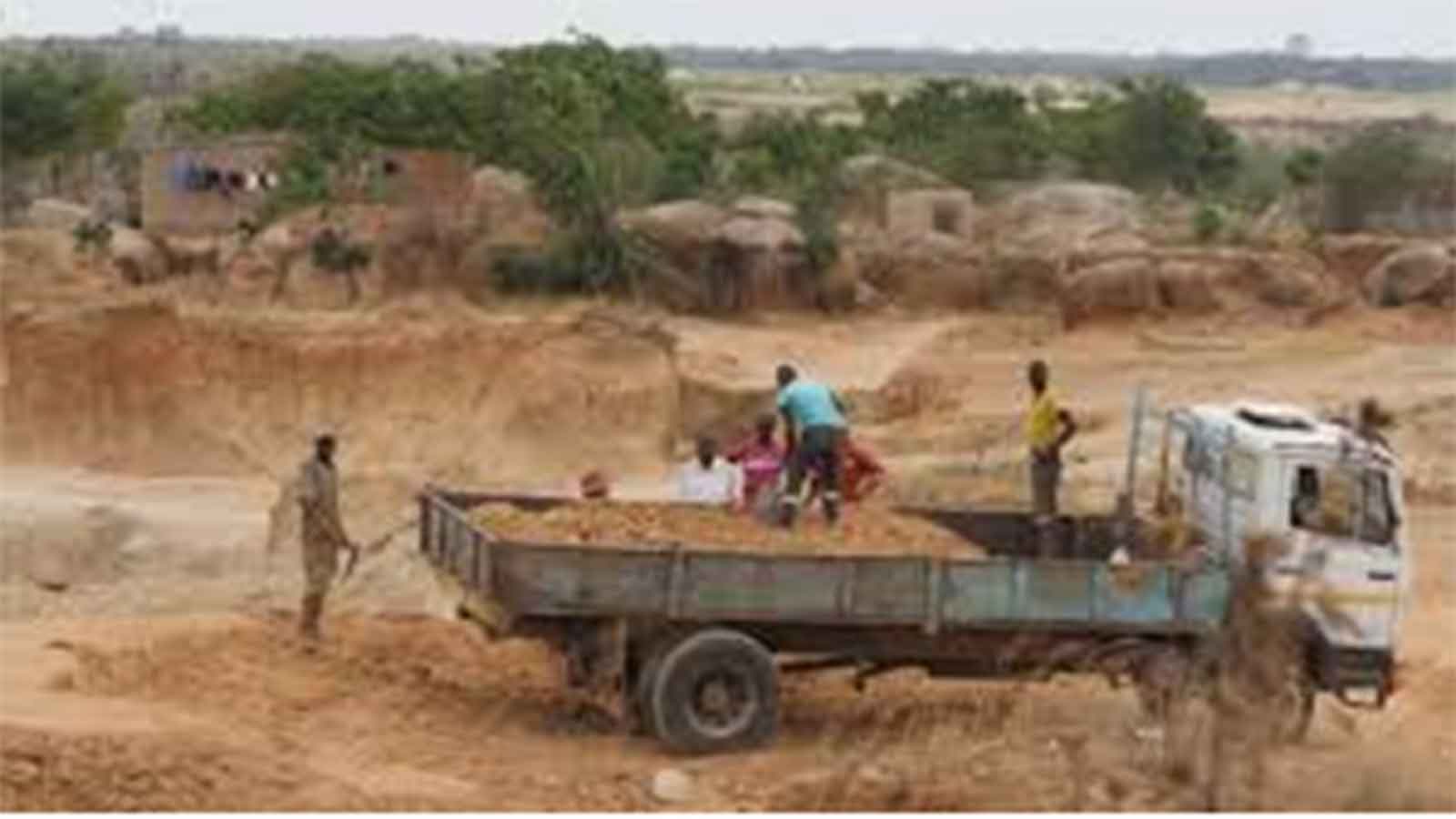
The Herald, 22 July 1983
NEARLY 67 000 m² of silt will be deposited into Lake Mcllwaine during the rainy season because people stealing sand from the banks of the dried Masukandoro River, Seke, have caused serious soil erosion.
According to the Seke district administrator, Cde Christopher Pasipamire, the sand was being taken to make bricks by locals and large building contractors. “Not only does this cause a serious ecological problem, but it is also illegal. If people want sand, they have to apply to the relevant local authority and pay royalties under terms of the 1976 Water Act,” said Cde Pasipamire.
He said the Harava Local Authority, responsible for Masukandoro River, had lost an estimated $20 000 in royalties this year from the theft of soil from the river bank.
Police in Seke, according to a spokesman, were alerted to the problem almost too late because people living near the river bank were making a gain from the trafficking of soil being paid $3 each to load sand into trucks of various contractors.
On Wednesday, local police said they apprehended a lorry with a capacity of eight tonnes just about to drive away its third load of the day.
A regional officer for Mashonaland South from the Ministry of Natural Resources and Tourism, Cde Davidson Gumbo, said the Masukandoro River was a tributary of the Nyatsime which flowed into Lake Mcllwaine, Harare’s largest water reservoir.
“The problem is serious and immediate action must be taken to stop the acceleration of soil into the river, said Cde Gumbo.
Lessons for today
- This article may appear to be about illegal sand extraction, but it actually raises wider issues about environmental protection, water security, law enforcement, and sustainable development. People were removing large amounts of sand from the Masukandoro River for brick-making and construction. This damaged the riverbanks and accelerated soil erosion. When soil, sand, forests, or minerals are extracted without proper controls, the environment can be damaged for years or even decades.
- Silt from the damaged riverbanks would eventually flow into Lake McIlwaine (now Lake Chivero), Harare’s main water supply reservoir. Because environmental destruction in one area can have consequences far beyond that location a local problem can become a regional problem affecting thousands or even millions of people.
- Short-term profits can create long-term losses. Some local residents earned money loading sand into trucks, while contractors obtained cheap construction material. However, the long-term consequences included soil erosion, loss of government revenue, damage to river ecosystems and threats to water supplies.
- Many of the issues discussed in 1983 continue to affect Zimbabwe today, illegal sand mining remains a concern in some areas. Siltation continues to reduce the capacity of dams and reservoirs.
- Environmental protection is not separate from economic development; it is part of it. If rivers, dams, and catchment areas are damaged, communities eventually pay through water shortages, higher treatment costs, loss of biodiversity, and reduced agricultural productivity. In hindsight, the 1983 warning was not just about stolen sand, it was about the need to balance development with stewardship of the natural environment for future generations.