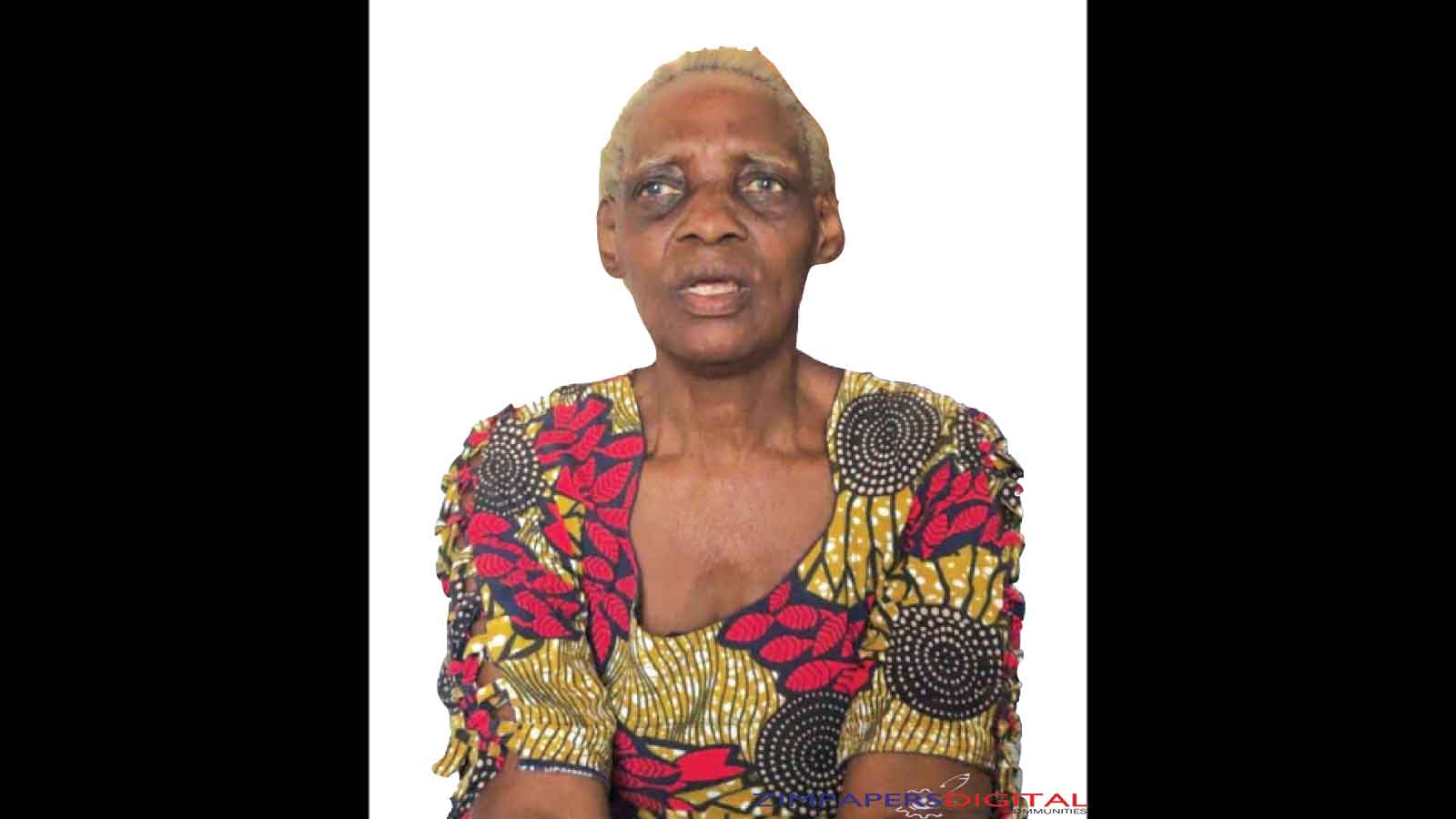
CDE NANCY MUSIYIWA last week chronicled to Zimpapers Politics Hub’s KUDA BWITITI how the Nhari Rebellion, which sought to challenge ZANLA’s military leadership, was brutally crushed. In this last instalment of her account, she recounts the difficult years following the death of ZANU founding nationalist and liberation war hero Cde Herbert Chitepo, especially when ZANLA cadres relocated from Zambia to Mozambique to establish a new operational base. She speaks of the protection she received from former Zambian President Kenneth Kaunda, the loss of her husband Cde Patrick Mupunzarima and her eventual return to independent Zimbabwe.
***************
Q: What happened to you after the death of Cde Chitepo, as ZANLA relocated from Zambia to Mozambique?
A: After Cde Chitepo died, I returned to Lusaka and continued to work at the Liberation Centre. Many comrades were subsequently deployed to Mozambique as ZANLA established its new headquarters and continued the armed struggle from there. However, Cde Josiah Tongogara advised me not to accompany the other cadres to Mozambique. He felt some comrades might be hostile towards me because of what had happened.
Many people did not really have the finer details of how the Nhari Rebellion unfolded and the role I played to save a lot of people. Given the tensions within the liberation movement, I understood that my safety could be at risk. I had worked closely with Cde Chitepo and his death left me in a difficult position. The investigations into his death had caused turmoil within ZANU and, as someone who was at the centre of it all, Cde Tongogara felt that I should take a back seat.
Q: So, you remained in Zambia after ZANLA relocated its headquarters to Mozambique?
A: Yes, I remained in Zambia. I needed to find a place where I could live safely and determine how best to continue contributing to the struggle. I approached Cde Joshua Nkomo, the leader of ZAPU, and explained my circumstances. I offered to work under ZAPU, which was still operating from Zambia.
However, Cde Nkomo said it would not be advisable to bring me into ZAPU because I had previously worked for ZANU and ZANLA. At that time, the relationship between ZIPRA and ZANLA was strained. Instead, Cde Nkomo took me to his friend, then-Zambian President Cde Kenneth Kaunda, who knew me well.
President Kaunda also knew that I had fully cooperated with the commission of inquiry into Cde Chitepo’s death. He instructed his government to take care of me. As a result, I was given a house in Libala Stage Two, Lusaka, close to the barracks. I lived there for almost four months in 1976. By then, I had my first child, Blessing. I believe some people wanted to harm me because of the incidents surrounding Cde Chitepo’s death and the Nhari Rebellion. I remember one of the comrades, Joseph Chimurenga, in particular, disliked me and did not approve of my relationship with Cde Mupunzarima. He is one of the people who wanted to kill me. I, therefore, remained cautious about my safety. From 1976 to 1979, I lived in the safe house provided through President Kaunda’s intervention. The Zambian government also supported me financially during that period.
Q: During those years, did you have any further involvement in the liberation struggle?
A: Yes. Although I was no longer directly involved in the operations taking place in Mozambique, I continued helping the struggle in whatever way I could.
Using the resources that I received from the Zambian government, I assisted comrades who travelled from East Africa on their way to Mozambique to join the fighting at the front.
Unfortunately, 1979 brought a painful experience. I received news that my husband, Cde Patrick Mupunzarima, a member of the High Command, had died.
He died during the Battle of Mavonde.
We had formalised our union within the party and had a child together, Blessing. We had agreed to hold our wedding after the war because we believed that we would have an opportunity to celebrate properly once Zimbabwe attained independence. His death was a devastating blow.
Q: How did you cope with the death of your husband, particularly when independence was approaching?
A: It was extremely painful. I could not attend his funeral because he had died in battle. What made the loss even harder to bear was that the Mavonde Battle was among the final major battles of the liberation war before independence. My husband died when the freedom he had fought for was almost within reach.
The death of Cde Tongogara on December 26, 1979 brought further pain. His death was a devastating loss for the liberation movement and for those of us who had worked with him during the struggle. By then, I had experienced so much suffering and loss that I began losing hope and had deep emotional stress. I had survived the dangers of the liberation struggle, the tensions within the movement and the loss of people who were close to me. Nevertheless, the sacrifices made by my late husband and other comrades remained important to me. They had given everything for Zimbabwe’s independence.
Q: When the ceasefire and independence came in 1980, did you remain in Zambia?
A: Yes. I approached President Kaunda, who advised me to remain in Zambia. I, therefore, continued living there even though I wanted to return home.
My mother also wanted me back because she was not sure if I was dead or alive. In 1982, I went to the Zambian embassy, where I met Cde Kangai. He was surprised to see me because he had assumed that I had died during the Nhari-Badza Rebellion.
He helped me obtain an emergency travel document, which enabled me to return to Zimbabwe that year. My parents were extremely happy to see me. I also visited my grandmother, who was equally delighted that I had returned alive.
After coming home, I met Cde Simon Muzenda, who was my in-law. He warned me that some comrades still harboured ill feelings towards me. He advised me to keep a low profile.
Given everything I had experienced during the struggle, I took his advice seriously. I later returned to Zambia, where I married a Zambian man in 1985. I lived with him until 1997.
Q: What happened when you returned to Zimbabwe in 1997?
A: When I returned to Zimbabwe in 1997, I met Webster Shamu at Jongwe Printers. He remembered me well from the struggle. In 1998, I also met the then-Air Marshal Josiah Tungamirai. Both of them provided valuable assistance to me.
Q: Any last words to conclude the interview?
A: As you have heard, I was among the first female cadres to join the liberation struggle. My journey began when I left my home in Mt Darwin and crossed into Zambia to join the struggle.
It was a gruelling journey. We faced many hardships and battles against the Rhodesian Security Forces along the way, including thirst and the constant danger of dying before reaching our destination.
At one point, we were so thirsty that we drank urine because we could not get water. That shows how desperate the situation was. I could easily have died during that journey.
I also survived the Nhari Rebellion and helped save several comrades who were on the rebels’ list of people to be killed. Those were dangerous times, and surviving required courage and determination.
I worked well with Cde Herbert Chitepo and was at his house on the day he was assassinated. Looking back, I believe I played my part in liberating this country.
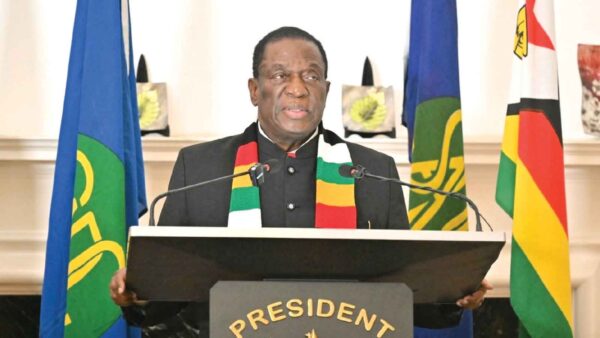
I endured hardship, lost people I loved and spent many years away from home, but I never abandoned the cause of Zimbabwe’s freedom. My wish now is to meet President Mnangagwa one day. I would like to reflect with him on the liberation struggle and other issues.
I believe that those of us who participated in the struggle have important experiences to share with future generations. Our history should be preserved so that young Zimbabweans understand the sacrifices that were made to secure the independence they enjoy today.