Mbulelo Mpofu [email protected]
ZIMBABWE’S creative industry has long celebrated actors, musicians and performers, while the people working behind the scenes have often received little recognition.
Among those helping to change that narrative is UK-based Zimbabwean lighting designer and educator Mildred “Lighting Bae” Moyo, who has partnered with Lupane State University (LSU) to host a three-day lighting design masterclass aimed at developing technical skills within the country’s growing creative sector.
The masterclass will take place at LSU’s Lupane campus from September 9 to 11 and will introduce participants to both the creative and technical aspects of lighting design. Through a mix of face-to-face and virtual learning, students will gain exposure to international industry standards and practices.
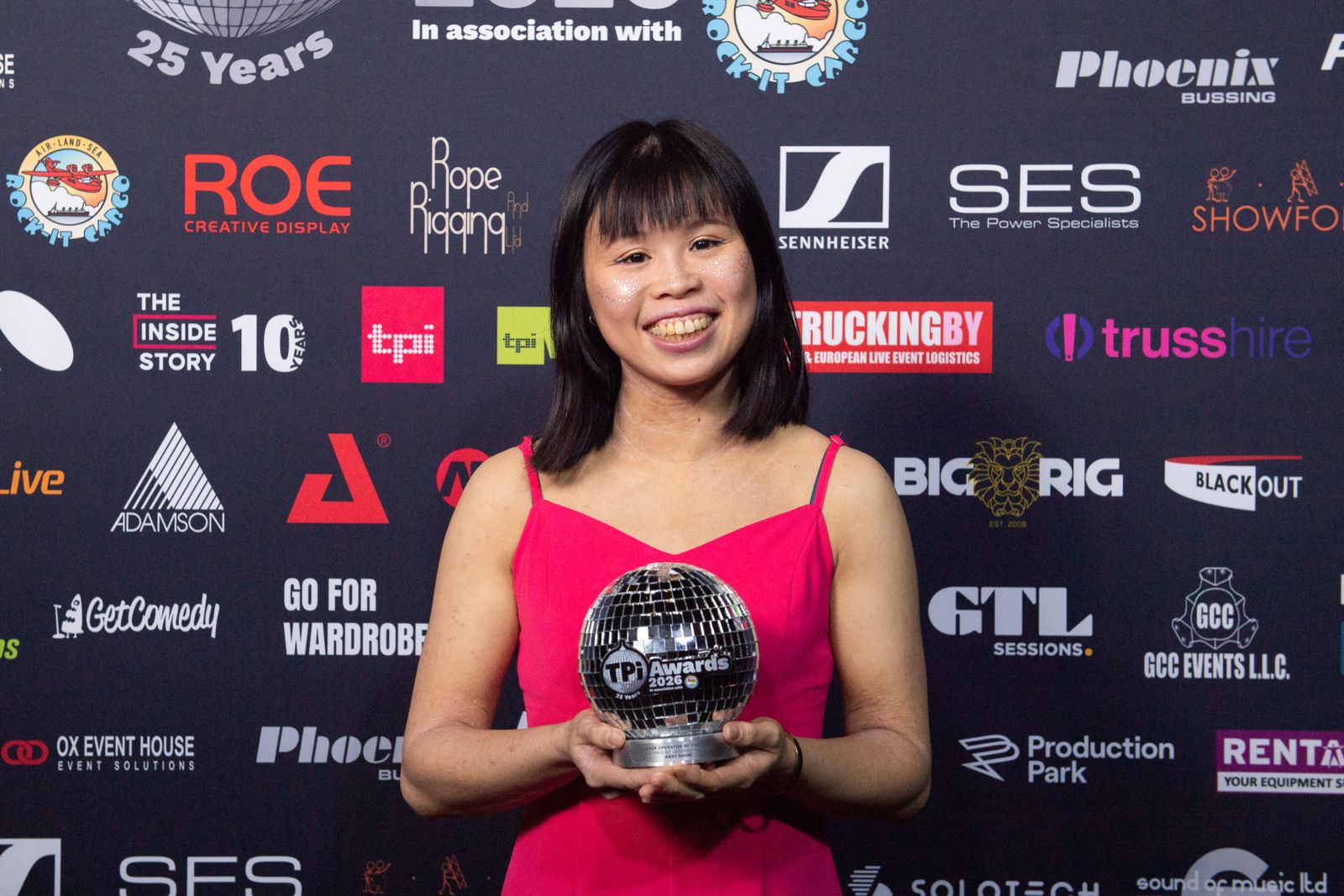
Moyo, who lectures at the Guildhall School of Music and Drama in London, will be joined by an international team of facilitators, including Kenya’s Kenneth Ng’ang’a Kibiru, David Linton, Abby Shum and Hansjorg Schmidt. Together, they will bring experience from theatre, live entertainment, broadcasting and event production.
The programme is one of the few structured lighting design training initiatives in Zimbabwe and comes at a time when the creative sector is increasingly recognising the importance of technical professionals whose work is essential to successful productions.
LSU Department of Languages, Media and Communication Studies chairperson Sanelisiwe Sibanda described the collaboration as a significant step for both the university and Zimbabwe’s creative industry.
“This partnership with Mildred Moyo is a huge milestone for Lupane State University, especially the Department of Languages, Media and Communication Studies. It serves as a definitive statement that LSU is not just an academic institution, but an active catalyst for the growth of Zimbabwe’s creative economy,” she said.
Sibanda said while many training programmes focus heavily on performance, technical disciplines such as lighting, sound and cinematography also deserve greater attention.
“By bringing an international practitioner of Moyo’s calibre to LSU, we are signalling our commitment to elevating the technical arts. This underscores our vision to produce holistic graduates who are highly employable, technically adept and ready to compete on the global stage.”

She said the masterclass had already generated excitement among students, lecturers and industry practitioners eager to gain practical knowledge from leading professionals.
According to Sibanda, participants will learn that lighting is far more than simply illuminating a stage or studio.
“The programme will explore lighting as a narrative and psychological tool. Theatre and Performance students will learn how to use light to sculpt stage space, evoke mood and direct audience focus, while Television and Film Studies students will gain insights into lighting for the camera, colour temperatures, exposure management and creating cinematic atmospheres.
“The masterclass blends technical instruction with creative conceptualisation, providing participants with a real-world portfolio piece.”
The initiative is also expected to help address a long-standing gap in arts education.
“Historically, lighting design has been an under-explored and under-resourced discipline within Zimbabwe, often treated as a secondary technical necessity rather than a distinct art form. Through this masterclass, we aim to formalise lighting design education and build a sustainable repository of local technical talent. High-end lighting design transforms a great stage play into an international masterpiece and elevates even modest film productions into cinematic contenders.”
Sibanda believes developing local technical expertise will strengthen Zimbabwe’s creative industry and create opportunities for greater participation in international productions, festivals and live events.
Beyond the technical lessons, she said Moyo’s journey offers a powerful example to aspiring creatives.
“As a self-taught designer who broke through a heavily male-dominated industry in Zimbabwe, her career proves that geographical and socio-economic barriers can be shattered. For our students, she is a living blueprint of resilience, vision and entrepreneurial audacity.”
LSU hopes the masterclass will mark the beginning of a long-term relationship with Moyo, with plans to introduce more short courses, strengthen industry links and create additional opportunities for students interested in technical arts.
The initiative has also attracted support from global lighting technology manufacturer MA Lighting International. Its Regional Sales Manager for the Middle East and Africa, Kenneth Ng’ang’a Kibiru, said his long-standing professional relationship with Moyo had been built on a shared passion for education and skills development.
“One of the things I admire most about Mildred is that she has remained committed to creating opportunities for others, even as her own career has grown internationally. At MA Lighting, our goal in Sub-Saharan Africa is not simply to sell technology; it is to build sustainable ecosystems around education, skills development and professional growth. Mildred’s vision aligns perfectly with this approach because she understands that developing people is just as important as providing access to equipment.”
Kibiru said Africa has no shortage of creative talent but needs more training opportunities, mentorship and exposure to global standards.
“By investing in education, mentorship and exposure to global industry standards, we can help create the next generation of lighting designers, programmers and technical professionals who will shape the future of entertainment and live production across the continent.”
Although expected to contribute virtually, Kibiru said he hoped to attend some of the sessions in person. He stressed that the focus of the programme is education rather than product promotion.
“Technology has significantly reduced barriers to accessing world-class training. While nothing replaces face-to-face interaction, virtual engagement allows us to reach talented individuals regardless of geography. The focus is not on sales but on exposing students to current industry trends, career pathways and technologies shaping live entertainment, broadcast and event production globally,” said the Kenyan.
Another outcome of the partnership will see alumni and participants from Moyo’s Phenomenal Lighting Festival in Victoria Falls registered on MA University’s specialised online learning platform.
According to Kibiru, the platform gives Zimbabwean technicians access to training in console programming, networking, visualisation and advanced programming techniques used on international productions. He said the courses are designed to make technical education more accessible while improving career prospects within the industry.
Kibiru added that MA Lighting’s broader vision is to help build a talent pipeline from schools and universities through to professional certification and employment.
“We come from a continent where creative arts are still frowned upon as career choices in many places. Our objective is to create a pipeline of talent that grows alongside the industry’s needs.”
Moyo welcomed the partnership, saying collaborations with higher learning institutions are important in raising awareness of lighting design as both an art form and a viable career.
She said every opportunity to teach helps change perceptions about the role of lighting in theatre, film, television and live events, while encouraging more young Zimbabweans to pursue technical careers in the creative sector.
The internationally recognised designer is also preparing for this year’s Phenomenal Festival of Lights, which will run from August 13 to 23 at the Ngoma Ingungu Cultural Centre in Domboshava under the theme, Ubuntu: I am because we are!
The festival has become an important platform for training, networking and practical demonstrations for lighting professionals. Together with the LSU masterclass, it reflects a growing effort to ensure Zimbabwe’s creative future is shaped not only by those in the spotlight, but also by the skilled professionals whose work brings productions to life.