Online Reporter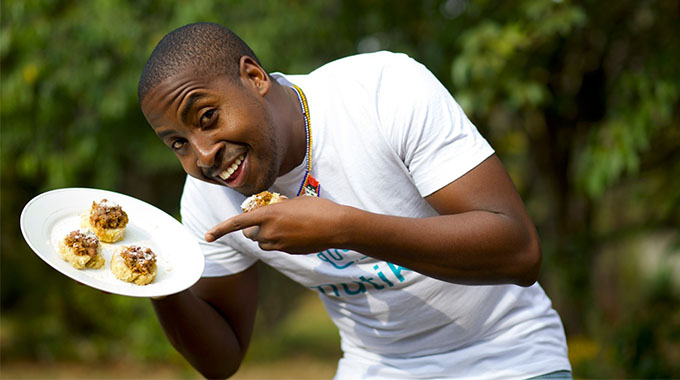
Gift Moyo, [email protected]
SOCIAL media sensation Prince Sivalo Mahlangu, is more than a filmmaker and chef; he is a storyteller, cultural advocate and a bridge connecting Africa’s culinary heritage with the world. As the creative force behind the hit online show Magriza Made Me Cook, which celebrates its sixth anniversary this month, he has transformed traditional African cuisine into immersive YouTube storytelling, exploring not only recipes but also the history, culture and values behind them.
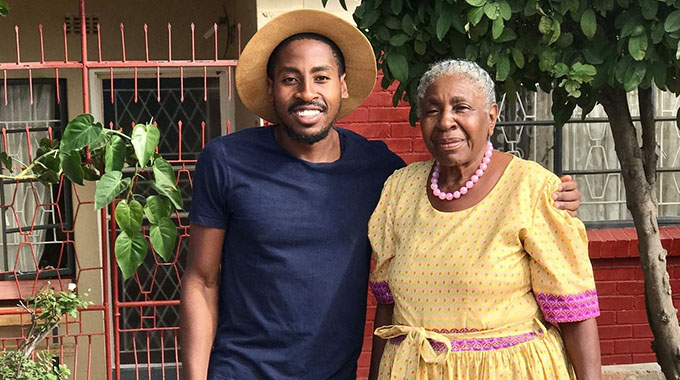
Inspired by his late grandmother, uGogo Mangoma, Prince learnt early that cooking is not simply a skill but a way of preserving culture, instilling discipline and linking generations. His work extends beyond food, capturing the depth of African traditions — from rural Zimbabwean communities to major cultural ceremonies such as the Reed Dance in Eswatini.
Prince’s approach is deliberate and meticulous. Every video, whether viewed by a handful of people or a million, is crafted with care and deep respect for the culture it represents. This unwavering dedication has earned him a nomination for the upcoming National Arts Merit Awards (Nama) in the Outstanding Male Social Media Content Creator category.
Zimpapers Arts and Entertainment Hub recently caught up with him to trace his journey and achievements. Below is the interview.
Q: How did you start creating content on YouTube?
A: It really began when I used to come home from university and visit my late grandmother in the rural areas of Matopos. Back in 2019, I remember sitting with elderly people weaving mats and exchanging knowledge. At the time, I didn’t fully understand what they were saying, but to me, they were the real masters — society might see them as uneducated, but I saw them as professors of culture and tradition. That experience made me ask myself how I could tell their stories and capture the essence of their work, which was so deeply tied to culture. I was fascinated by YouTube and thought about starting there.
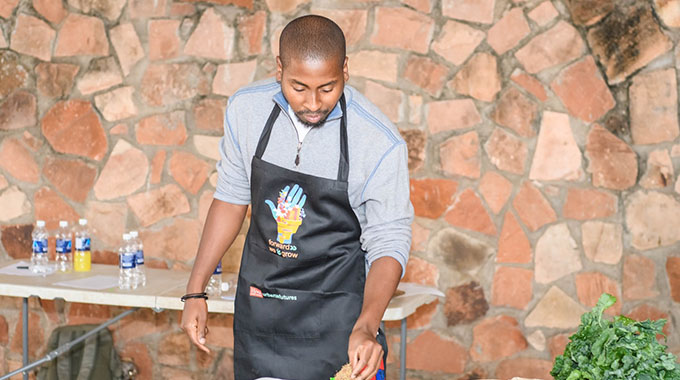
My background is in finance, so I first considered making corporate finance videos, but the platform was already flooded. I tried fitness videos with the same result. I realised that the first step was to start creating, through practice, my ideas would refine themselves. A friend and editor of the show encouraged me to just make the first video. That video was fitness-related, but for the second one, he suggested I pivot to food, since I’ve always been passionate about healthy eating. We shot it in a kitchen at my brother’s house.
After about 10 videos, the late Pathisa Nyathi reached out. He told us our content was good, but we were missing a key link: we were presenting African food as if people already knew it, like French toast or an English breakfast. He advised us to go back to the grassroots, create a story around the food, and explain it to the audience. We took that advice to heart, moving from the kitchen setup to outdoor cooking, visiting rural areas, and cooking with the elderly. That’s how we built storytelling around African cuisine, connecting the food to its cultural roots.
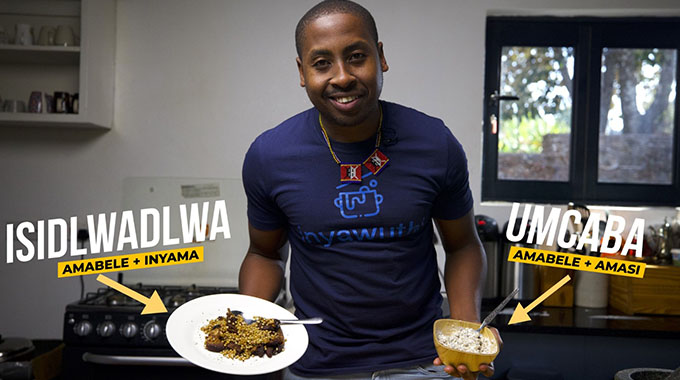
Q: What inspired the name “Magriza Made Me Cook”?
A: The name comes from my late grandmother, uGogo Mangoma, who was born on April 5, 1948, and passed away on February 5, 2024. I inherited many of my habits and work ethic from her; she was disciplined, never tolerated nonsense, and loved to work. She used to wake us up at 5AM for chores, which is why I’m a morning person today. U-Gogo loved indigenous food and taught me nearly all the dishes I cook.
The first thing she taught me was porridge — now my favourite post-gym meal is sour porridge. She always stressed focus in cooking: it’s okay to make mistakes, but never burn the food. She also taught me to learn from how others cook and to approach food with respect. Her philosophy was that culture is a people’s worldview, so criticising someone’s food is, in a way, criticising them. Every dish I cook is inspired by her wisdom and traditions.
Q: How does African culture guide your creativity and approach to content?
A: Culture on its own is beautiful, even without a camera. For example, when I documented the Reed Dance in Eswatini, it was stunning just to witness. Film combines music, lighting, storytelling and action, which helps bring that beauty to life. I also use food as a nostalgic bridge, especially for Zimbabweans in the diaspora. Someone who left Zimbabwe in the 90’s can watch my content and be reminded of the foods and traditions they grew up with; it reconnects them to their roots.
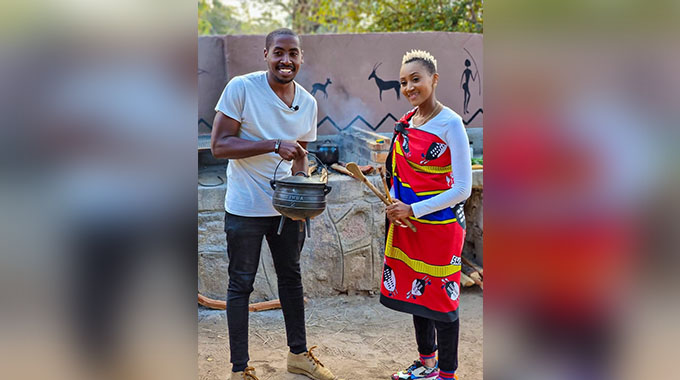
Q: Do you think having a brand rooted in African culture makes it more relevant to African audiences?
A: Absolutely. There’s a lack of African stories online and in mainstream media. African culture is the foundation of many cultures worldwide, and it’s powerful to see how interconnected we are. With so much negativity today, I use food as a way to bring people together, to start conversations, share stories, and celebrate our identity and pride as Africans.
Q: What does it mean to you to receive Nama recognition?
A: It means a lot. It highlights the work I do and the effort we put in as a team. Even a nomination alone is significant, especially at a national level like Nama, where you’re competing with some of Zimbabwe’s top creators. To be named among the top three is something I don’t take for granted; I truly appreciate it.
Q: When creating content, do you focus on potential awards or more on the journey and process?
A: My philosophy is that I don’t focus on numbers or views. A video with five views gets the same effort as one with a million. We decided early on as a team that creativity shouldn’t depend on things beyond our control. If you create just for an award or recognition, what happens if it doesn’t come? Your foundation crumbles. From my first video to now, you can see growth in sound, lighting and storytelling. Engaging with the industry and learning along the way is key. Awards are important, but they shouldn’t drive the creative journey. I focus on producing the best work I can, and recognition follows. Let the work speak for itself.
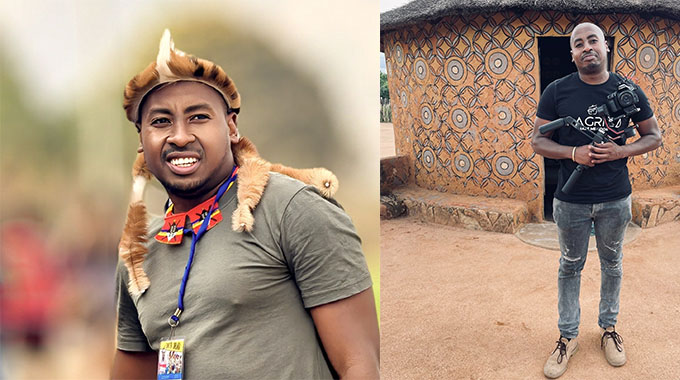
Q: How does your team contribute to the success of your brand?
A: My brand works on the ethics of diversity, so when it comes to diversity, there are not only people from Zimbabwe on the team. There is a guy in South Africa who does the graphics. What we encourage is having an open mind, asking questions, and just seeing how other people exist or live. We also encourage collaborations and continuous learning.
Q: What can audiences expect from you next in terms of content and creative work?
A: I’m launching a new season of Magriza Made Me Cook and plan to create three more seasons this year. Around mid-year, I want to travel to three African countries to explore their food and culture. I’m also passionate about environmental conservation and plan to focus more on protecting our climate. On a personal note, I want to spend more quality time with my son this year as well.