Online Reporter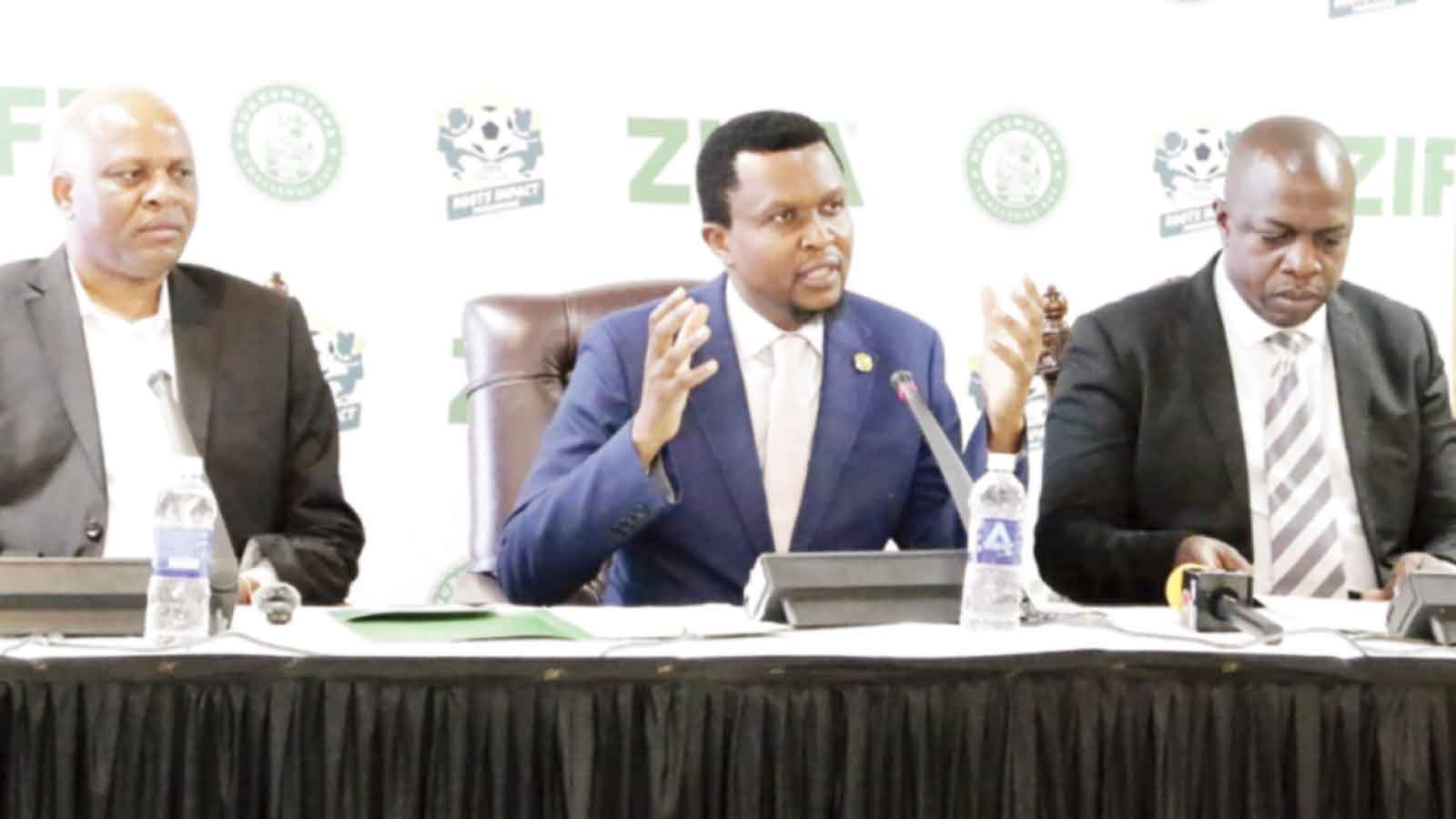
Fungai Muderere
Zimpapers Sports Hub
ZIFA president Nqobile Magwizi went straight at it on the global stage, telling the FIFA Congress that Zimbabwean football is under pressure to clean up, rebuild and finally define itself.
Speaking in front of world football leaders, Magwizi didn’t dodge the weight of his first year in office. He leaned into it.
“The past year has asked a great deal of all of us,” he said. “But that is the nature of football, it belongs to the people, and it must always answer to them.”
That line set the tone, accountability first, then everything else.
Magwizi, who came in last year, said the early work was about stabilising a game that had drifted. With that base in place, Zifa now wants to move into delivery mode, less talk, more visible change.
Part of that shift is the “Warrior Pride” campaign, which he framed as more than just a slogan. It is meant to give Zimbabwean football a clear identity, something fans can connect to again.
On the pitch, he pointed to movement in the women’s game, with the Women’s Football Strategy now being rolled out. Hosting the CAF GIFT programme was also flagged as a step towards rebuilding pathways and reconnecting with the continent.
There has also been an effort to get the national teams back into rhythm. Appearances at Cosafa and the Malawi Tri-Nations tournament were used to steady the Mighty Warriors, while the senior men’s team is being rebuilt with a deliberate mix of homegrown and diaspora talent.
“More than 30 percent of our match-day squad now consists of players developed outside our borders. This is by design, wherever a Zimbabwean player is, they must feel part of this national effort,” said Magwizi.
At the base of it all sits grassroots football. Programmes like BancABC Roots Impact are reaching communities, with Zifa banking on that layer to fix the game long-term rather than chasing quick wins.
But Magwizi’s pitch went beyond players.
He spoke about turning Zifa into a credible business platform, one that can attract sponsors and partners. Competitions like the Munhumutapa Cup were positioned as early examples of that thinking, linking communities while bringing in structured financial backing.
Infrastructure is also on the table. FIFA-funded mini stadium projects have started at Chitsere and Mzilikazi Primary Schools, with plans to expand if land negotiations with the Government come through.
Internally, he highlighted efforts to steady the administration, crediting former general secretary Yvonne Manwa Mapika, acting GS Norman Gwangwadza and commercial head Mark Ruck for helping hold things together during the reset.
There are also attempts to modernise officiating. Referees are going through training and restructuring, with VAR trials and AI-backed systems being explored.
But the biggest moment in his address came when he dealt with the noise back home.
Magwizi shut down talk of personal benefits, including claims around vehicles.
“I have not accepted any personal gifts. My conduct is guided by the code of ethics that governs this office,” he said.
It was a direct response, and it mattered, because trust has been one of ZIFA’s biggest battles.
He closed by circling back to the bigger picture, a game that is stable, competitive and built on something solid.