Online Reporter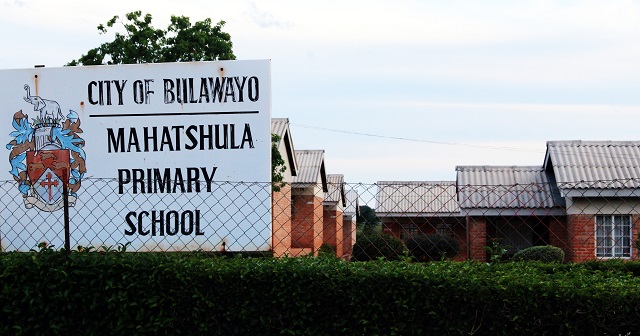
Mkhululi Ncube, [email protected]
MAHATSHULA Primary School has once again cemented its status as the best-performing Bulawayo City Council (BCC) primary school, recording the highest Grade Seven pass rate in the city.
According to the latest full council education committee report, Mahatshula Primary School topped the rankings after achieving an 88.64 percent pass rate in 2025, a significant improvement from 78.38 percent in 2024.
The Bulawayo City Council operates 30 primary schools across the city.
J.W. Mthinkulu Primary School in Cowdray Park came second, reinforcing its position as one of the top-performing council schools. The school recorded an 84.40 percent pass rate, up from 68.15 percent in 2024.
Malindela Primary School finished third with a pass rate of 81.65 percent, down from an impressive 92.30 percent recorded in 2024.
According to the report, a total of 5 559 learners sat for the 2025 ZIMSEC Grade Seven examinations, with 3 576 learners passing six subjects with a symbol 5 or better.
“The overall pass rate stood at 64.33 percent, based on six subjects passed as per City of Bulawayo standards. This reflects a slight decrease of 0.32 percent from 64.65 percent in 2024,” reads part of the report.
Despite the marginal decline, council noted that overall performance remained commendable.
“Generally, City of Bulawayo schools performed quite well in 2025, with 36 learners scoring six units across all six subjects,” the report stated.
Other schools that featured in the top 10 include Mawaba Primary School in fourth place with 78.31 percent, followed closely by Mthombowesizwe Primary School from Entumbane at 78.16 percent.
Ntshamathe Primary School was sixth with 74.40 percent, Ngwalongwalo placed seventh at 71.84 percent, Zulukandaba eighth at 69.38 percent, Mahlathini ninth at 68.10 percent, while Senzangakhona completed the top 10 with 67.94 percent.
The bottom three schools remained unchanged, with Dumezweni Primary School recording 46.80 percent, Aisleby Primary School posting 25.96 percent, and St Peters Primary School anchoring the list at 12.96 percent. The education committee expressed concern over the persistently low performance of these schools.
The Education Department said it would require underperforming schools to develop clear intervention strategies aimed at improving results.
Among the proposed measures are setting performance targets, promoting team teaching for examination classes, conducting action research using available ICT resources, and strengthening reading programmes from ECD through to Grade Seven to transition learners from “learning to read” to “reading to learn”.
The committee also recommended the introduction of e-learning platforms to support both teachers and learners in new learning areas, strengthening library programmes, enhancing remedial lessons, and conducting continuous staff development workshops.
Further recommendations include encouraging the use of the internet and ICT for individual learner studies, as well as promoting vacation schools to reduce the practice of extra lessons conducted at private homes.