admin
admin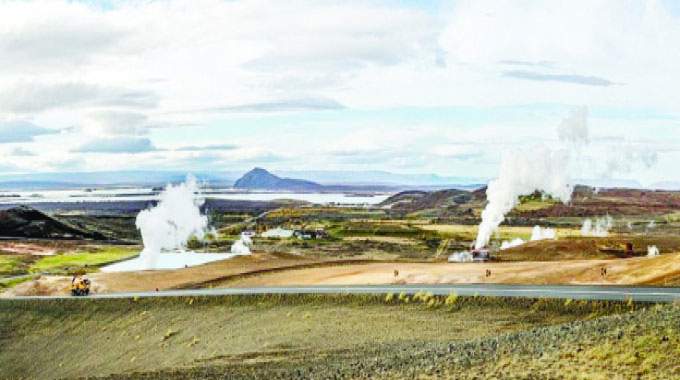
Kenya-s state-owned Geothermal Development Company (GDC) has successfully drilled a new geothermal well, Paka Well 8A, that will add 20 megawatts of power to the national grid. The well is by far the company’s largest to date.
The Kenya Broadcasting Corporation (KBC) reported that Paka Well 8A is the 14th successful well at the Paka project, increasing the GDC’s capacity to 70MW.
Geothermal energy offers Kenya a cheap and quick opportunity to ramp up its base energy supply.
The country has set an ambitious goal of having geothermal as its primary energy source by 2030.
Currently, geothermal accounts for 39 percent of the country’s total energy production. The grid is being adapted to ensure that geothermal sources can easily convey power around the country.
Davis Chirchir, the Cabinet secretary for Kenya’s Ministry of Energy and Petroleum, emphasised the importance of the latest discovery.
“Eventually, you will see the cost of electricity coming down since these transmission links will remove the constraint, which will alleviate power losses that currently stand at 22 percent,” Chirchir said in the KBC report.
Kenya Electricity Transmission Company managing director John Mativo said the utility was already working to ensure that power produced at Paka Well 8A will be harnessed.
“(The Kenya Electricity Transmission Company) plans to build a 197km transmission line to Suswa,” he said.
More breakthroughs in geothermal energy can be expected, with the GDC aiming to attract more investment and expand its exploration capacity.
Kenya’s geothermal energy potential is estimated to be between 7 000MW and 10 000MW across 14 potential sites, according to the Renewable Energy Portal.
The GDC is also conducting feasibility studies to accelerate drilling in the geothermal hub of Baringo, one of Kenya’s 47 counties.
Kenya currently has some 950MW of installed geothermal capacity, the highest in Africa and the eighth-highest in the world.
Other geothermal hubs in Kenya’s Great Rift Valley region are also making progress with the successful integration of independent power producer (IPP)-led projects into the main grid.
For example, Nairobi-based energy company Sosian Energy recently connected its Menengai I Geothermal Power Station to the national grid, becoming the first IPP to commission a 35MW steam power plant at the Menengai site.
Additional power plants in the Menengai region are in the works, including 105MW in combined capacity from three planned power plants, with UK firm Globeleq already constructing a second plant.
The Great Rift Valley, where most of the region’s geothermal potential is situated, extends from the Horn of Africa to Malawi and, according to the UN Environment Programme, has a potential geothermal capacity of more than 20 gigawatts.
Kenya is drawing on private power producer agreements to harness its geothermal potential under the Public-Private Partnerships (PPP) Act of 2021. Thirteen IPPs have received approval to develop geothermal projects in various locations.
Experts believe this financing model will play a crucial role in unlocking Kenya’s geothermal energy potential over time.
“The adoption of PPPs appears to be a positive effort to accelerate geothermal development in Kenya,” says a conference research paper titled Reinvigorating Geothermal Project Finance in Kenya through Public-Private Partnership, published by Jesse Nyokabi, Sharon Mwakugu, Louise Mathu and Johnson Mwawasi.
“There is an opportunity that PPPs can improve operational efficiency,” the report added. — Bird Story Agency.
Kenya-s state-owned Geothermal Development Company (GDC) has successfully drilled a new geothermal well, Paka Well 8A, that will add 20 megawatts of power to the national grid. The well is by far the company’s largest to date.
The Kenya Broadcasting Corporation (KBC) reported that Paka Well 8A is the 14th successful well at the Paka project, increasing the GDC’s capacity to 70MW.
Geothermal energy offers Kenya a cheap and quick opportunity to ramp up its base energy supply.
The country has set an ambitious goal of having geothermal as its primary energy source by 2030.
Currently, geothermal accounts for 39 percent of the country’s total energy production. The grid is being adapted to ensure that geothermal sources can easily convey power around the country.
Davis Chirchir, the Cabinet secretary for Kenya’s Ministry of Energy and Petroleum, emphasised the importance of the latest discovery.
“Eventually, you will see the cost of electricity coming down since these transmission links will remove the constraint, which will alleviate power losses that currently stand at 22 percent,” Chirchir said in the KBC report.
Kenya Electricity Transmission Company managing director John Mativo said the utility was already working to ensure that power produced at Paka Well 8A will be harnessed.
“(The Kenya Electricity Transmission Company) plans to build a 197km transmission line to Suswa,” he said.
More breakthroughs in geothermal energy can be expected, with the GDC aiming to attract more investment and expand its exploration capacity.
Kenya’s geothermal energy potential is estimated to be between 7 000MW and 10 000MW across 14 potential sites, according to the Renewable Energy Portal.
The GDC is also conducting feasibility studies to accelerate drilling in the geothermal hub of Baringo, one of Kenya’s 47 counties.
Kenya currently has some 950MW of installed geothermal capacity, the highest in Africa and the eighth-highest in the world.
Other geothermal hubs in Kenya’s Great Rift Valley region are also making progress with the successful integration of independent power producer (IPP)-led projects into the main grid.
For example, Nairobi-based energy company Sosian Energy recently connected its Menengai I Geothermal Power Station to the national grid, becoming the first IPP to commission a 35MW steam power plant at the Menengai site.
Additional power plants in the Menengai region are in the works, including 105MW in combined capacity from three planned power plants, with UK firm Globeleq already constructing a second plant.
The Great Rift Valley, where most of the region’s geothermal potential is situated, extends from the Horn of Africa to Malawi and, according to the UN Environment Programme, has a potential geothermal capacity of more than 20 gigawatts.
Kenya is drawing on private power producer agreements to harness its geothermal potential under the Public-Private Partnerships (PPP) Act of 2021. Thirteen IPPs have received approval to develop geothermal projects in various locations.
Experts believe this financing model will play a crucial role in unlocking Kenya’s geothermal energy potential over time.
“The adoption of PPPs appears to be a positive effort to accelerate geothermal development in Kenya,” says a conference research paper titled Reinvigorating Geothermal Project Finance in Kenya through Public-Private Partnership, published by Jesse Nyokabi, Sharon Mwakugu, Louise Mathu and Johnson Mwawasi.
“There is an opportunity that PPPs can improve operational efficiency,” the report added. — Bird Story Agency.



 Online Reporter