Moffat Mungazi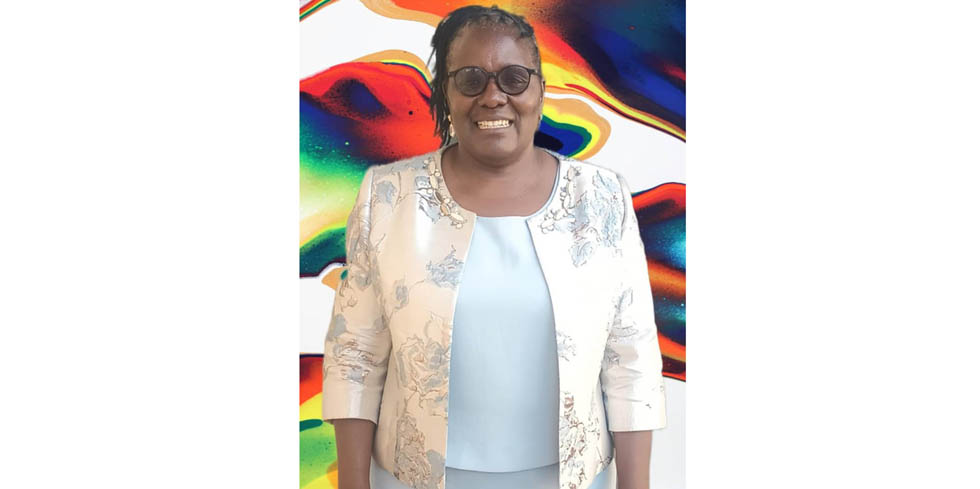
Tendai Gukutikwa
Health Reporter
MANICALAND has made a significant breakthrough in its efforts to combat drug and substance abuse, with 36 individuals — 33 males and three females — successfully reintegrated into the society after completing an intensive behavioural modification recovery programme.
The milestone was marked at the Psychotherapy, Care and Counselling Services (PCCS) Waneni in Mutare.
In addition to the successful rehabilitation of the 36 150 families from across the province also received training on how to provide support and care for loved ones recovering from substance use disorders.
However, despite this progress, concerns have been raised about the need for more rehabilitation centres in the province.
In an interview PCCS official, Dr Mazvita Machinga, who is a psychotherapist and mental health consultant, bemoaned the alarming rise in drug and substance abuse among youths, saying it requires immediate attention.
“We need increased investment in rehabilitation infrastructure and services to meet the growing demand for treatment and support in Manicaland. It is crucial that we provide accessible and specialised care to help individuals overcome addiction and reintegrate into society,” she said, adding that the alarming rise in drug and substance abuse among youths has created a growing demand for specialised treatment and support services.
In Manicaland, PCCS is shouldering the burden of providing treatment and support services.
Dr Machinga said PCCS acknowledges the vital role that families play in facilitating successful reintegration and ongoing recovery.
“The training is provided to families focused on equipping them with the necessary skills and knowledge to support recovering individuals. This includes creating a supportive environment, providing emotional care, and encouraging ongoing therapy and counselling. It is important to address the root causes of substance abuse, and providing holistic support to individuals and families affected,” said Dr Machinga.
She said the progress is proof that substance use disorder is treatable, and recovery is possible, while also stressing the importance of rehabilitation over stigma.
“Substance use disorder is not a moral failure or a lack of willpower. It is a medical and psychological condition that requires professional intervention, community support, and compassion. Too often, addiction is mischaracterised as a weakness when, in reality, it is an illness that can be treated. The numbers of the people who have been reintegrated back into society shows how there is a need for more rehabilitation,” she said.
Dr Machinga said substance abuse alters the brain’s reward system, decision-making process, and emotional regulation, making it difficult for individuals to quit without structured support.
“Like diabetes or hypertension, substance use disorder is a chronic condition that responds well to treatment when approached holistically. Detoxification, psychotherapy, medication-assisted treatment, and spiritual and emotional healing all play a role in successful recovery,” she said, adding that recovery is not seen as a one-time event, but an ongoing journey.
“While completing 90 days of treatment is a crucial milestone, it is only the beginning of a lifelong commitment to sobriety. To support long-term recovery, PCCS Waneni has implemented structured aftercare programmes, peer support groups, and continuous therapy,” she said.
These measures are designed to help individuals maintain their progress and avoid relapse.
“We emphasise reintegration into society because relapse risk is high when people leave rehabilitation without support. Skills training, job placement, and community involvement are essential in preventing isolation, economic stress, and boredom, which are major triggers for relapse. We urge workplaces to accept those who have been in recovery — these individuals can and do succeed.
“Family and faith-based communities are critical in the healing process. When people in recovery feel accepted, supported, and understood, they are more likely to stay on track,” said Dr Machinga.
She also called for a shift in how society perceives and responds to substance use disorder.
“As a nation and as communities, we must stop blaming and start supporting those in need of recovery. What people struggling with addiction need is, not judgment, but opportunities, connection, and care. Treatment works, and people do recover,” she said, urging individuals and families affected by addiction to seek help as recovery is not only possible, but sustainable when the right support systems are in place.
“Let us stand together to build recovery-friendly communities where every effort is acknowledged, and every victory, no matter how small, is celebrated. Substance use disorder is treatable, and we must do everything we can to help people reclaim their lives,” said Dr Machinga.


 Online Reporter