Online Reporter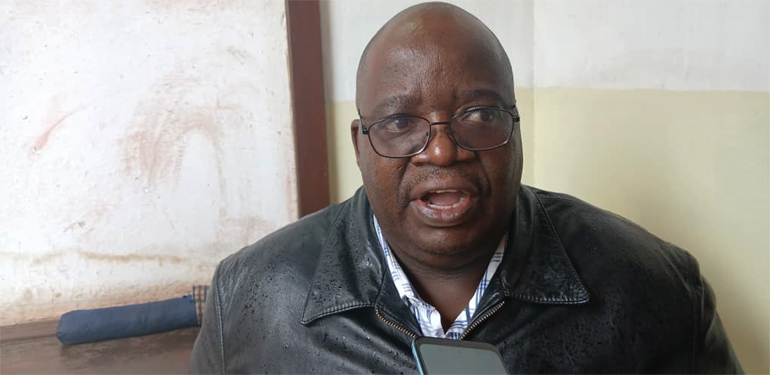
Tendai Gukutikwa
Health Reporter
MALARIA has claimed 32 lives in Manicaland since January this year, exacerbated by insecticide-resistant mosquitoes, travel to hotspots, and recent excessive rainfall, which has created ideal breeding conditions in stagnant water, particularly in mining areas.
The presence of Anopheles funestus – a breed of mosquito resistant to insecticides – has spread across Manicaland, contributing to unprecedented malaria cases and mortality – which typically peak between February and May of every year due to the rainy season.
Despite control measures such as insecticide-treated nets, chemotherapy, and mosquito repellents, eradication has proved challenging, with Chimanimani, Chipinge, Mutasa, and Nyanga districts now the biggest contributors to the province’s malaria burden due to a combination of geographical, climatic, mining, and environmental factors.
The districts are situated in a region with a high malaria transmission risk, near the Mozambican border, and experience a subtropical climate with high temperatures and rainfall during the summer months, creating ideal breeding conditions for mosquitoes. Their topography and vegetation – numerous rivers, streams, wetlands, dams, or other water bodies, coupled with dense vegetation, provide abundant breeding sites and shelter for mosquitoes.
Provincial Medical Director, Dr Munyaradzi Mukuzunga said the province is experiencing severe outbreak in several districts and health facilities, with Manicaland ranking among the top three provinces affected by the disease in the country.
“Manicaland is one of the top three provinces dealing with malaria. As we speak, we have recorded around 32 deaths so far this year. The hardest-hit districts include Chimanimani, Chipinge, Nyanga and Mutasa, where several health facilities are experiencing outbreaks. In Chimanimani, we have Vhimba and Mutsvangwa; in Chipinge, Mahenye, Junction Gate and Paidamoyo are affected.
In Nyanga, the health facilities including Fombe, Avilla, Nyamaropa, Sabvure, Regina Coeli Hospital, Chatindo and Kambudzi are recording outbreaks. In Mutasa, Sachisuko and Chinaka are currently included in the outbreak list,” said Dr Mukuzunga.
He added that the province continues to monitor outbreaks closely, with weekly reporting from health facilities ensuring that interventions are targeted and timely.
Chief of Party of Africa University’s Zimbabwe Entomological Support Programme in Malaria (AU/ZENTO), Professor Sungano Mharakurwa on Wednesday attributed the surge to incessant rains with bouts of sunshine. The unit is revered for collecting, cataloguing and breeding mosquitoes for malaria research.
“Any time there is a good rainy season, the conditions are naturally favourable to malaria surges, as seen in association with La Niña for instance. However, there is also urgent need for research to ascertain the factors underpinning deaths and formulate effective solutions for averting further losses of life,” said Professor Mharakurwa.
Dr Mukuzunga said the widespread nature of malaria outbreak in the province requires a multi-sectoral approach, involving community actors, traditional and religious leaders.
“It is crucial for us to adopt a whole-of-society approach, utilising various fora for traditional and religious leaders to disseminate information on malaria. They should advise the subjects and followers on prevention methods and guide on what to do when someone is infected,” he said.
Dr Mukuzunga emphasised that traditional and religious leaders play a critical role in awareness and early intervention, particularly in rural areas with limited access to health facilities.
“Treatment and encouragement, combined with support from community health workers, who can test and treat, are key. Early detection reduces complications and deaths, and having religious leaders echo these messages strengthens community adherence,” said Dr Mukuzunga.
He said the province has intensified efforts to ensure prompt malaria treatment, deploying community health workers to provide rapid testing, administer medications, and follow up with patients in remote and hard-to-reach areas.
“Our goal is to fully understand malaria and become active participants in the battle against it. Every community member has a role in preventing the disease and ensuring early treatment. We are deploying community health workers to test for malaria and follow up with patients,” said Dr Mukuzunga, highlighting the importance of community participation and local buy-in for effective interventions.
“Community members must take ownership of prevention strategies, including consistent use of mosquito nets, clearing stagnant water, and seeking early treatment. This approach ensures we minimise transmission and protect vulnerable populations,” he said.
While malaria remains the primary concern, Dr Mukuzunga also urged integration of traditional and faith-based structures in the fight against other health threats, such as cholera.
“Faith healers and traditional leaders are vital partners. Their community reach is extensive, and they can reinforce proper hygiene practices, safe water usage, and prompt medical care. By involving them, we strengthen our health communication networks and improve overall community health outcomes,” he said, adding that coordination between the Ministry of Health, and Child Care, community health workers, traditional and religious institutions has led to increased awareness campaigns, especially in outbreak-prone areas.
“Educational materials and guidance on prevention and treatment have been circulated through churches, mosques, and other community gatherings,” said Dr Mukuzunga, stressing that malaria prevention requires sustained attention throughout the year, not just seasonally or individually.
“Our fight against malaria is ongoing. We cannot wait for the peak season to take action. Continuous monitoring, education, and early treatment are crucial. Communities must understand that every small action—using treated bed nets, removing mosquito breeding sites, and seeking care promptly, saves lives,” he said, urging the public to collaborate closely with health officials and participate in malaria control initiatives.
“We therefore call on everyone to become part of the malaria brigade. With collective effort, proper knowledge, and early intervention, we can significantly reduce the burden of malaria in Manicaland,” said Dr Mukuzunga.
Children under five are particularly vulnerable to malaria due to several factors, including their developing immune systems, which struggle to combat the malaria parasite.
They lack acquired immunity to malaria, typically developed through repeated exposure, and are often exposed to mosquito bites while playing outdoors. Additionally, they may not use insecticide-treated nets or repellents correctly.