admin
adminstarts in November, an official has said.
For house spraying, the country is still using the insecticide dichlorodiphenyltrichloroethane (DDT), which is effective for between nine and 12 months.
Malaria is the third commonest killer after Aids and Tuberculosis in Zimbabwe. About 89 percent of the population is protected from malaria by indoor residual spraying, while insecticidal nets protect 83 percent.
Malaria programme manager in the Ministry of Health and Child Welfare, Dr Joseph Mberikunashe said; “We have launched indoor residual spraying in all the 45 malaria prone districts and this time we are using provincial teams to do the job quicker.
“Our plan is that by December 20 we would have completed spraying,” he said.
Although some districts suffer malaria throughout the year, in most of the districts it is seasonal. Dr Mberikunashe said contribution from government and its partners made the spraying exercise possible.
“We have enough chemicals and all the necessary equipment,” he said.
Malaria affects more than 50 percent of Zimbabwe’s population and is also the third common cause of hospital admissions and deaths.
Dr Mberikunashe said there was need to strengthen cross border collaboration activities to completely eliminate malaria in the region.
The malaria season stretches from November to May. Zimbabwe has achieved a decline in malaria incidences from 136 per 1 000 in 2001 to 45 per 1 000 cases in 2010. – New Ziana


Online Reporter
- Bmetro , Chronicle , SundayNews
- September 16, 2026
- 4 views
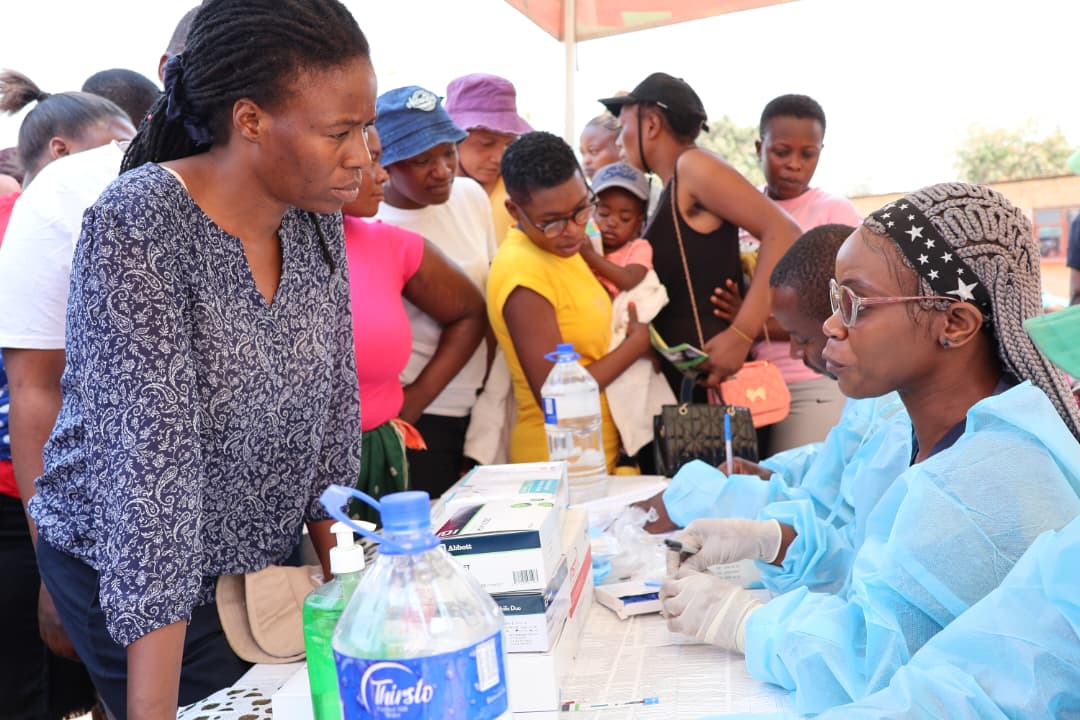
WATCH: Sex workers take healthcare to Epworth, call for legal reforms
Theseus Mauruki Shambare SEX workers have called for legal reforms and greater protection from violence and harassment as community-based organisations work with local government clinics and other service providers to…